




The Laboratory Mixing Machine: A Critical Component in the Manufacturing Process
The laboratory mixing machine is a critical component in the manufacturing process, used to mix and blend materials at high speeds and temperatures. It is essential for many industries, including food processing, pharmaceuticals, and chemical engineering, as it helps to ensure the quality and consistency of products.
The mixing machine consists of a rotating drum that rotates at high speeds, typically between 500 and 1000 revolutions per minute (rpm). This rotation causes the materials inside the drum to be mixed together, resulting in a homogeneous mixture. The speed of rotation is controlled by a motor, which can be adjusted to suit the specific needs of the industry.
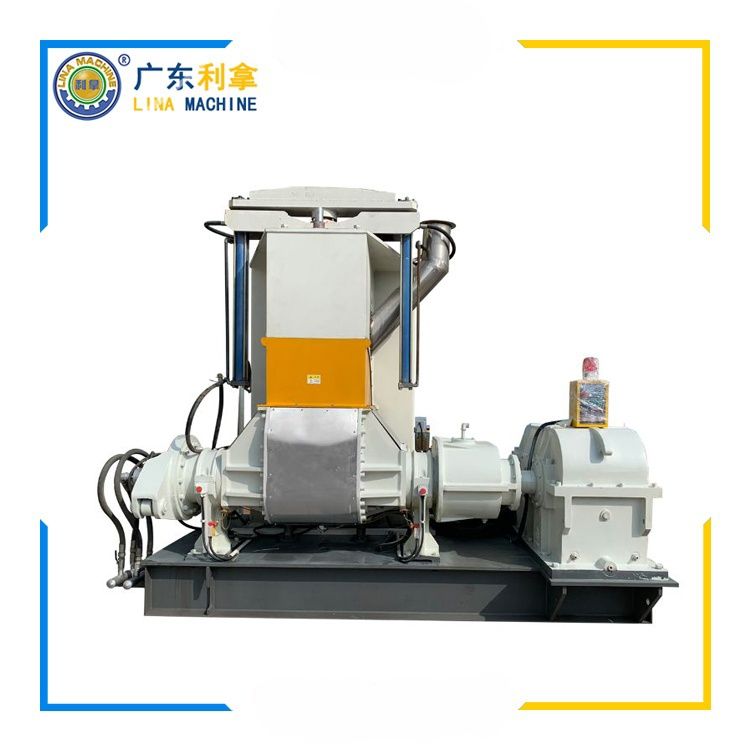
The mixing machine is designed to handle a wide range of materials, including powders, liquids, and solids. It has various types of impellers that are used to break down the material and mix it evenly. Some common impellers include rotary blades, vanes, and turbine blades.
One of the key features of the laboratory mixing machine is its ability to control the temperature of the material being mixed. Many modern machines come with built-in thermometers and temperature controllers, allowing operators to monitor and adjust the temperature as needed.
In addition to its technical features, the laboratory mixing machine also has a reputation for being user-friendly and reliable. Its sturdy construction and durable materials make it ideal for use in industrial settings, where it can withstand the rigors of heavy-duty operations.