



The Art of Particle Formation in Ceramic Powder Making Machines
Ceramic powder making machines are essential tools in the ceramic industry, enabling the creation of high-quality ceramic materials with precise particle sizes and shapes. These machines play a crucial role in the process of ceramic sintering, where the final product's properties are determined by the quality of the raw material particles. In this article, we will explore the various types of ceramic powder making machines, their applications, and how they contribute to the success of ceramic production.
One of the most common types of ceramic powder making machines is the ball mill. This machine uses grinding media to break down raw materials into smaller particles, which are then collected and dried before being sieved to produce the desired particle size. Ball mills are versatile and can be used for both wet and dry grinding processes, making them ideal for a wide range of ceramic materials.
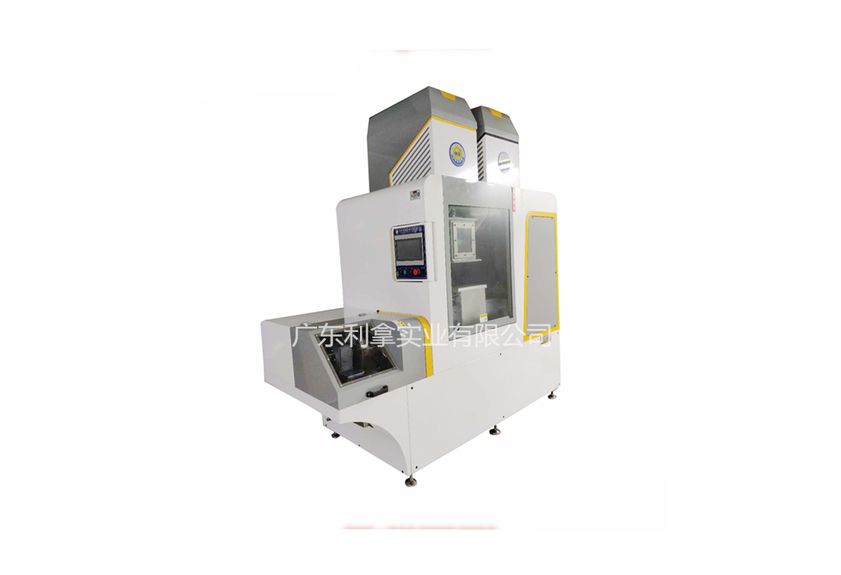
Another popular type of ceramic powder making machine is the planetary ball mill. This machine features a rotating drum that rotates around a stationary axis, allowing for more efficient grinding of larger particles. Planetary ball mills are particularly useful for processing high-density materials such as silicon carbide and titanium dioxide.
In addition to these basic types of ceramic powder making machines, there are also specialized units designed for specific applications. For example, the fluidized bed ball mill is used for grinding slag or other non-metallic materials, while the ultrasonic ball mill is used for the rapid breakdown of small particles.
The choice of ceramic powder making machine depends on several factors, including the desired particle size, the type of raw material, and the desired level of grinding efficiency. Each machine has its advantages and limitations, and selecting the right one requires careful consideration of these factors.
In conclusion, ceramic powder making machines play a vital role in the ceramic industry, enabling the creation of high-quality ceramic materials with precise particle sizes and shapes. By understanding the different types of machines available and their applications, manufacturers can optimize their production processes and achieve optimal results.