
The Role of Vacuum Mixing Machines in the Manufacturing Industry
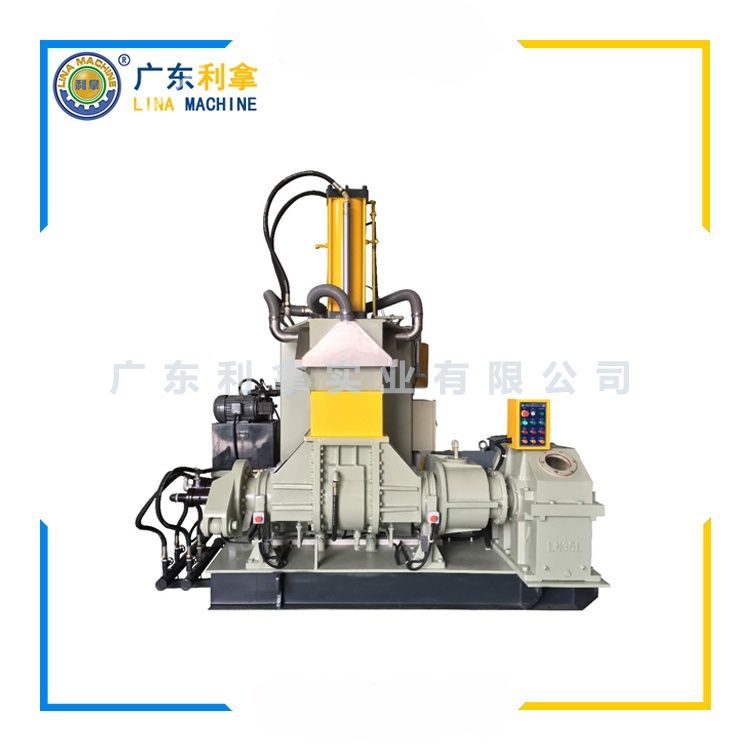
In the manufacturing industry, vacuum mixing machines play a crucial role in the production process. These machines are designed to mix and knead materials at high temperatures and pressures, resulting in a uniform and homogeneous mixture. They are used in various industries, including food processing, pharmaceuticals, and chemical engineering, to produce products with superior quality and consistency.
One of the main advantages of vacuum mixing machines is their ability to achieve high-speed mixing without generating heat or dust. This makes them ideal for producing products that require precise temperature control, such as vaccines and drugs. Additionally, vacuum mixing machines can handle a wide range of materials, including solids, liquids, and gases, making them versatile tools for many industrial applications.
Another significant benefit of vacuum mixing machines is their ability to reduce energy consumption. By using less energy than traditional mixing methods, these machines help to save costs and reduce environmental impact. This is particularly important in industries where energy efficiency is a priority, such as the automotive and electronics sectors.
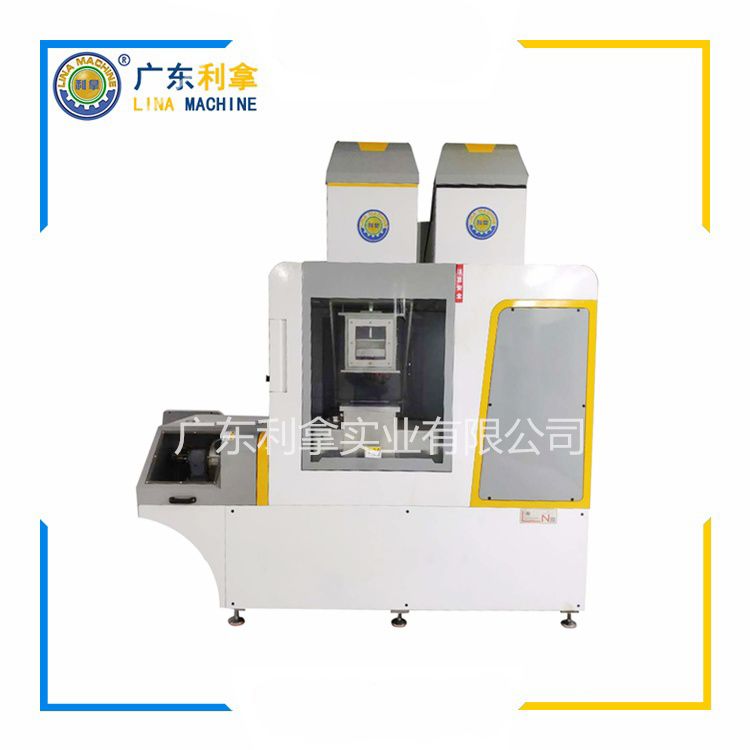
Despite their numerous benefits, vacuum mixing machines still have some limitations. For example, they may not be suitable for all types of materials, and their operation requires specialized knowledge and training. However, with continued advancements in technology, these machines are becoming more reliable and efficient, making them an essential tool for modern manufacturing processes.