



The Evolution of Electric Sulfurizing Machines
Electric sulfurizing machines have revolutionized the metallurgical industry by providing a more efficient and cost-effective method for sulfurizing steel. These machines use electric power to heat and melt sulfur, which is then added to molten iron or steel to produce sulfurized products. In this article, we will explore the history of electric sulfurizing machines, their advantages over traditional methods, and their future prospects in the industry.
The concept of electric sulfurizing machines can be traced back to the late 19th century when scientists began experimenting with electric furnaces. However, it was not until the mid-20th century that these machines became widely used in the steel industry. At that time, there were concerns about the environmental impact of burning sulfur, so electric sulfurizing machines were developed as an alternative.
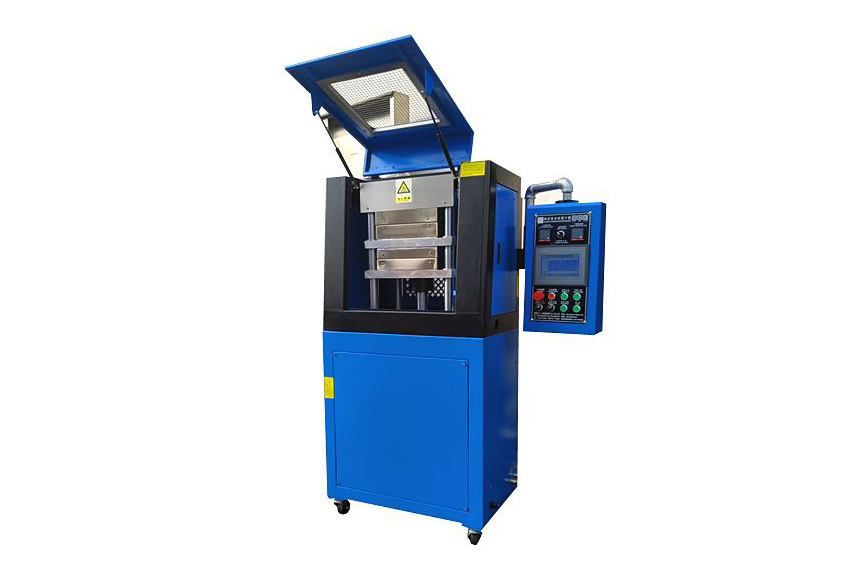
One of the main advantages of electric sulfurizing machines is their efficiency. Compared to traditional methods, they require less energy and produce fewer emissions. This makes them ideal for small-scale operations and remote areas where access to traditional sulfurizing equipment may be limited. Additionally, electric sulfurizing machines are easy to maintain and operate, making them suitable for businesses with limited resources.
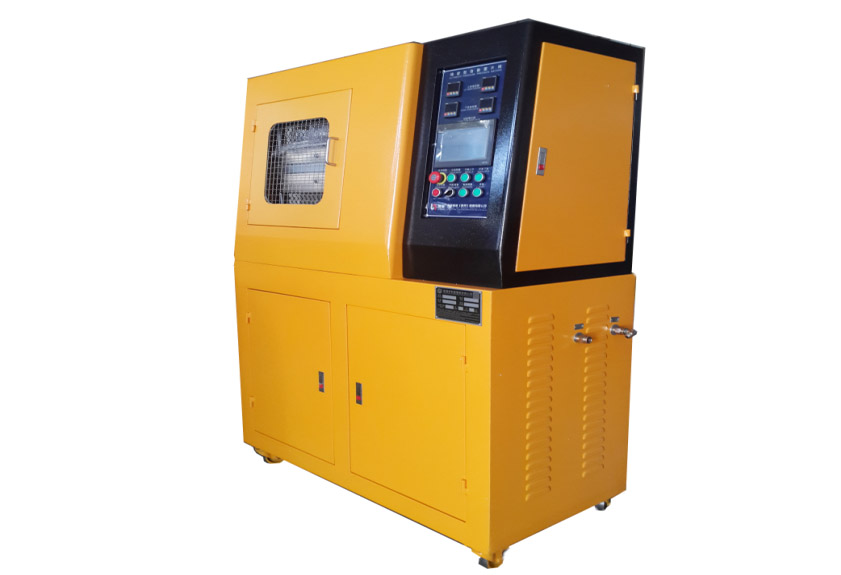
Another significant advantage of electric sulfurizing machines is their flexibility. They can be used to produce a wide range of sulfurized products, including ferrosilicon, ferrosilicate, and ferrosilicon carbide. This allows companies to tailor their products to meet specific market demands. Moreover, electric sulfurizing machines can be easily upgraded to produce different types of sulfurized products, further increasing their value in the market.
Despite their many benefits, electric sulfurizing machines still face challenges in the industry. One of the main obstacles is the high cost of initial investment. However, with advancements in technology and economies of scale, the cost of these machines is gradually decreasing. Additionally, governments around the world are implementing policies to promote the use of renewable energy sources, which could further reduce the costs associated with electric sulfurizing machines.
Looking to the future, electric sulfurizing machines are expected to continue growing in popularity due to their environmental benefits and increased efficiency. As demand for sustainable production methods grows, companies will need to invest in these machines to stay competitive in the market. Furthermore, advancements in automation and robotics could further enhance the performance of these machines, making them even more attractive to manufacturers.
In conclusion, electric sulfurizing machines have become an essential tool in the metallurgical industry, offering both efficiency and flexibility. With continued innovation and investment in these machines, we can expect them to play a crucial role in shaping the future of the industry.