

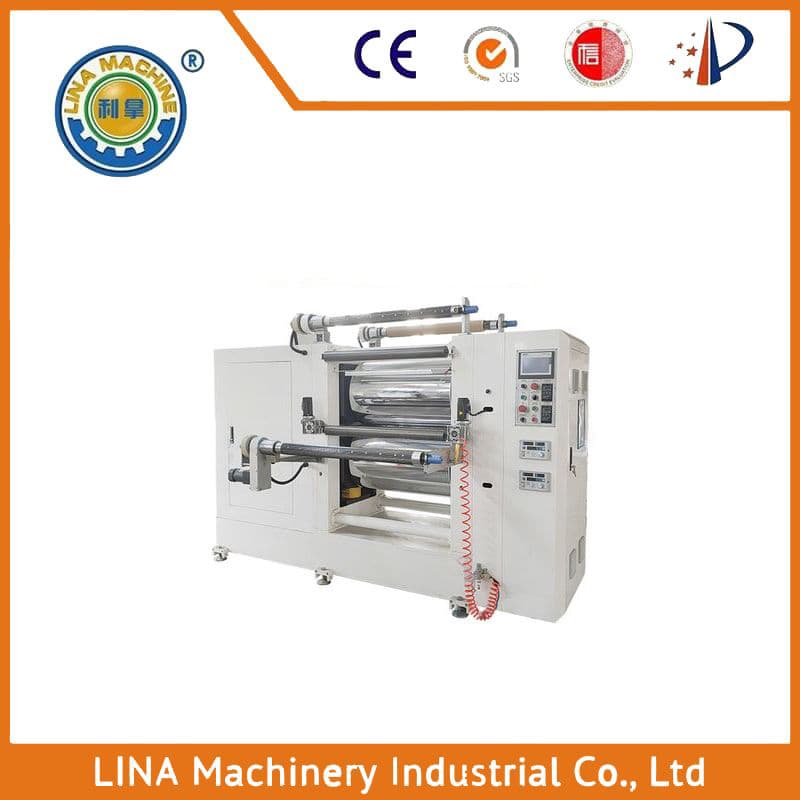
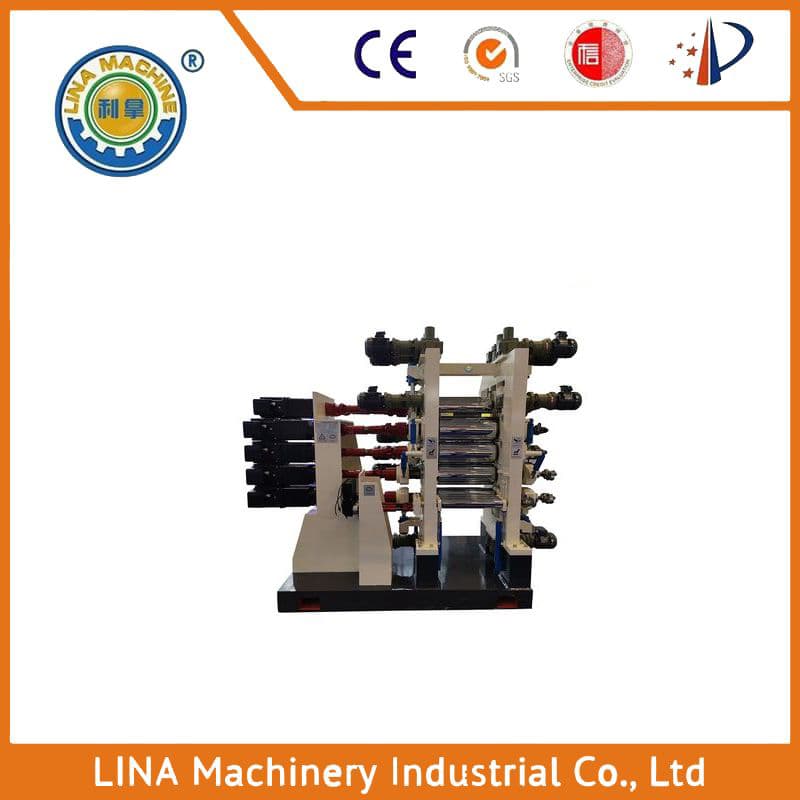
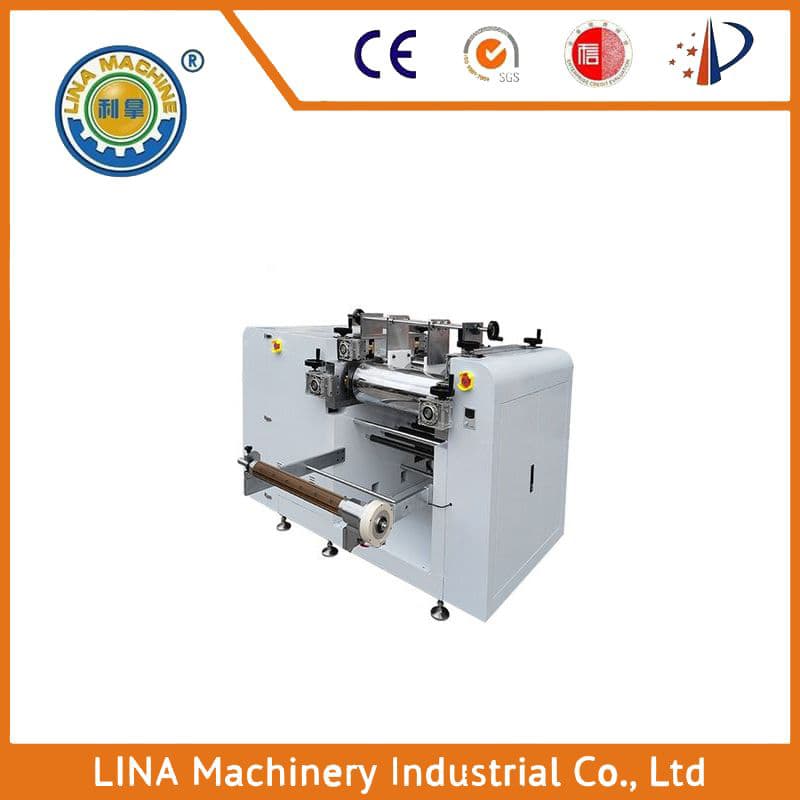
Understanding the Single-Screw Extrusion Spraying Machine
The single-screw extruder is a versatile and efficient tool in the polymer processing industry. It is widely used for producing various types of plastic products, such as pellets, films, and foams. This machine is designed to process a wide range of materials, including thermoplastics, thermosets, and biopolymers, into uniformly shaped products.
The basic principle behind the operation of a single-screw extruder is simple yet effective. The screw rotates at high speeds, causing the molten polymer to flow through the die and emerge as a solid product. The design of the screw plays a crucial role in determining the properties of the final product. A properly designed screw can achieve high melt flow rates, good mixing, and even distribution of the material.
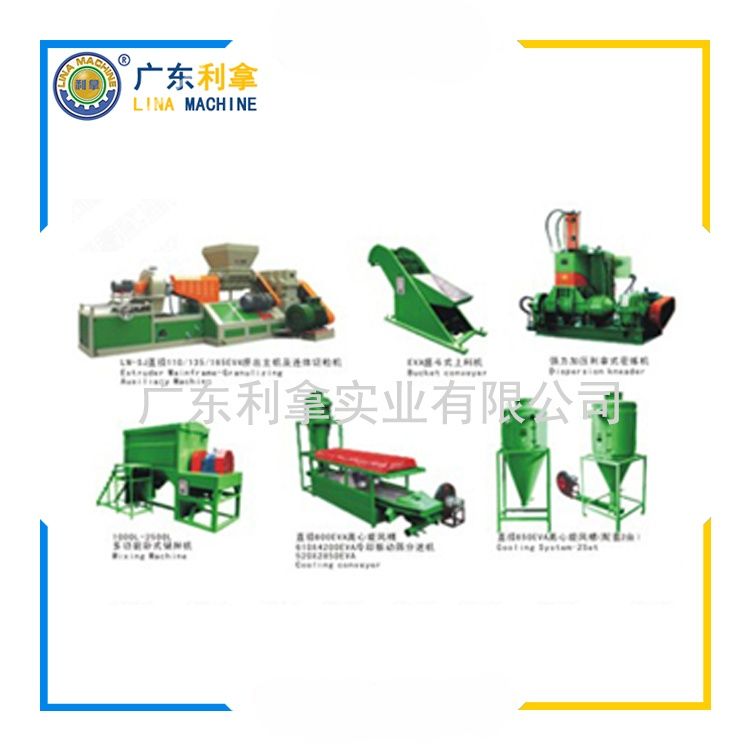
One of the key advantages of the single-screw extruder is its ability to produce high-quality pellets. These pellets are ideal for use in various applications, such as recycling, composting, or as feedstock for other processes. The consistency and uniformity of the pellets produced by this machine make them highly suitable for these purposes.
Another important feature of the single-screw extruder is its flexibility in adapting to different processing requirements. By adjusting the screw design, operating parameters, and the type of material being processed, it is possible to achieve optimal results for a wide range of applications. This makes it an essential tool for any polymer processing facility.
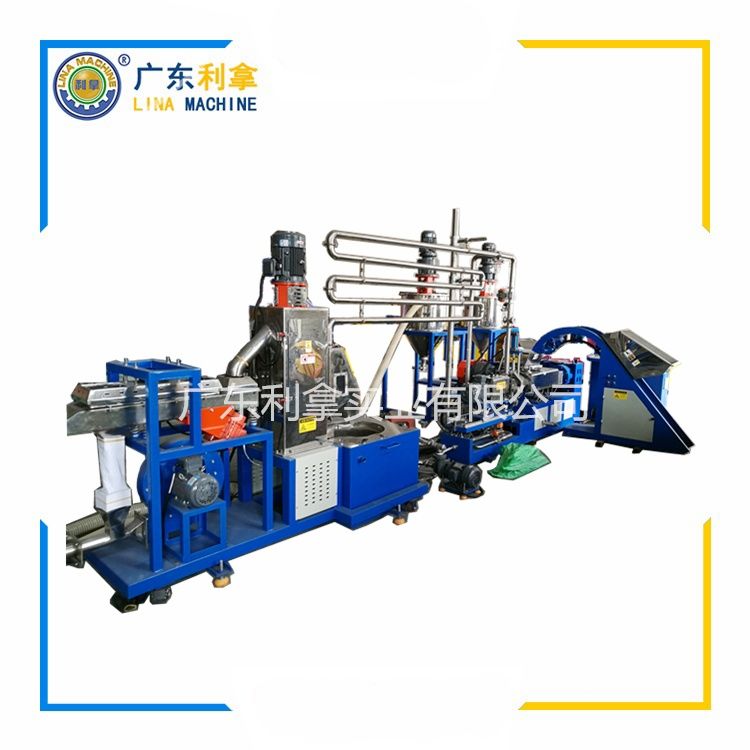
In conclusion, the single-screw extruder is a powerful and versatile tool that has revolutionized the way we process polymers. Its ability to produce high-quality pellets and adapt to different processing requirements makes it an essential investment for any polymer processing facility. Whether you are looking to produce new products or optimize existing ones, the single-screw extruder is a tool that can help you achieve your goals.