




The Role of Pressing and Kneading Machines in the Manufacturing Industry
The pressing and kneading machines are crucial tools in the manufacturing industry, particularly in the rubber and plastics sector. These machines are designed to process raw materials into finished products by applying pressure and heat. In this article, we will explore the different types of pressing and kneading machines, their applications, and how they contribute to the overall production process.
Firstly, let's discuss the basic principles of these machines. Pressing and kneading machines use a combination of mechanical and thermal energy to transform raw materials into finished products. Mechanical energy is provided by compressed air or hydraulic fluid, which presses the material against a heated surface. Thermal energy is generated by heating elements that melt the material or by steam injection that softens it.
There are two main types of pressing and kneading machines: compression molding machines and extrusion machines. Compression molding machines use a hydraulic press to apply pressure to a heated platen, which then forms a solid product. This type of machine is commonly used for making sheet metal, plastic sheets, and other flat products. Extrusion machines, on the other hand, use a screw extruder to force molten plastic through a die, which then cools and solidifies into a continuous length of product. This type of machine is commonly used for making pipes, hoses, and other tubular products.
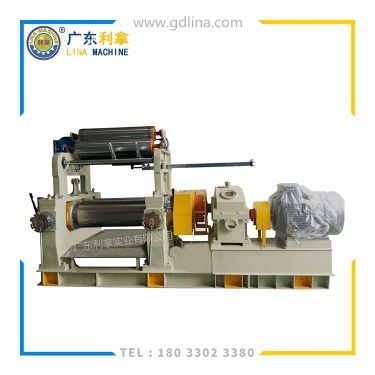
In addition to their technical capabilities, pressing and kneading machines also play a significant role in improving product quality and reducing waste. By using precise control over temperature and pressure, these machines can produce consistent results every time, ensuring that the final product meets the desired specifications. They can also help reduce waste by efficiently processing larger batches of raw materials, resulting in lower production costs.
Overall, pressing and kneading machines are essential tools in the manufacturing industry. Their ability to process raw materials into finished products with precision and efficiency has made them indispensable in industries such as rubber, plastics, and automotive. As technology continues to advance, we can expect these machines to become even more sophisticated and capable, further enhancing our ability to manufacture high-quality products at scale.