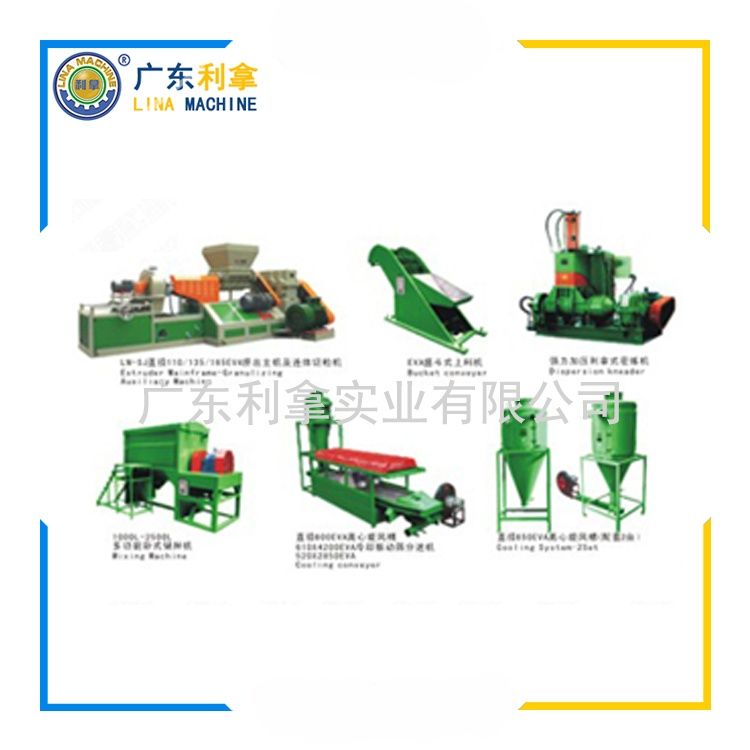
The Art of Water-Moulded Pellet Making Machines
Water-moulded pellet making machines are an essential tool in the food industry, particularly in the production of feed pellets for livestock and poultry. These machines are designed to process a wide range of materials into uniform, high-quality pellets that are easy to handle and store. In this article, we will explore the various types of water-moulded pellet making machines available on the market, their features, and how they can benefit your business.
Firstly, there are two main types of water-moulded pellet making machines: rotary moulding machines and extruding machines. Rotary moulding machines use a rotating drum to compress and compact the material, resulting in a uniform, spherical pellet. This type of machine is ideal for processing soft materials such as corn gluten meal or soybean meal. On the other hand, extruding machines use a screw to force the material through a die, which creates a more uniform pellet shape. This type of machine is suitable for processing harder materials such as wheat bran or oat husk.
In addition to these basic types, there are also specialized machines designed for specific applications. For example, some machines are designed to produce pellets for animal feed, while others are optimized for industrial uses such as cleaning or drying. Each machine comes with its own set of features and capabilities, including the size of the die, the speed of rotation, and the temperature control system.
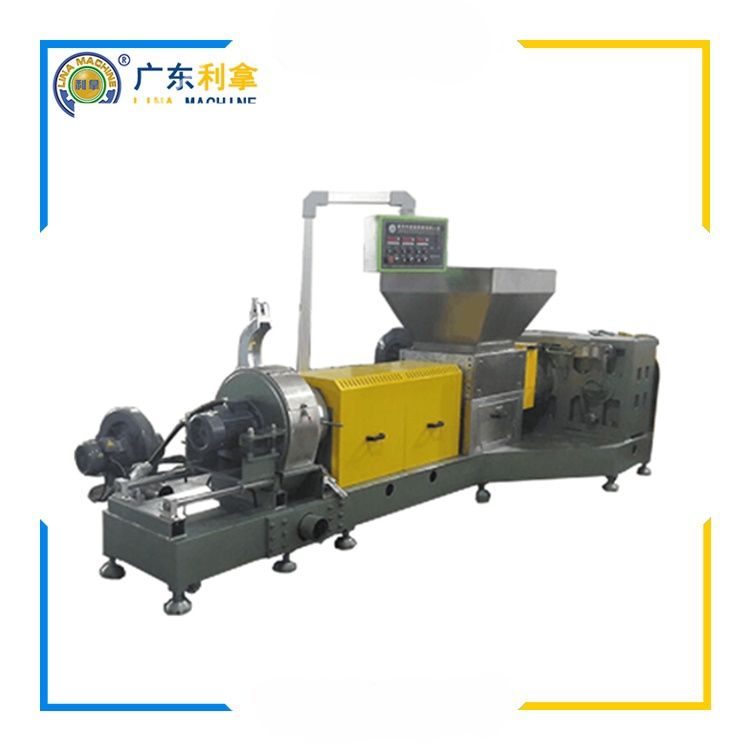
When choosing a water-moulded pellet making machine, it is important to consider your specific needs and budget. Some machines are more expensive upfront, but they may offer greater flexibility in terms of material handling and product quality. Other machines may be more cost-effective in the long run, but may require more maintenance and technical expertise. It is important to do your research and compare different models before making a decision.
In conclusion, water-moulded pellet making machines play a crucial role in the food industry, helping to create high-quality feed pellets that meet the needs of livestock and poultry farmers. By exploring the different types of machines available and considering your specific needs, you can find the perfect solution to suit your business's requirements.