




The Flexible Plastic Pellet Production Line
The flexible plastic pellet production line is a crucial component in the manufacturing industry, particularly in the plastics sector. This article will provide an overview of the key components and processes involved in this type of production line, along with some tips on how to optimize it for better efficiency and productivity.
At its core, a flexible plastic pellet production line consists of several key components, including a feeder system, melting unit, granulating unit, cooling unit, and packaging unit. Each of these components plays a critical role in ensuring that the final product meets the desired specifications and quality standards.
The feeder system is responsible for feeding raw materials into the production line. It must be designed to handle a wide range of materials, including thermoplastics, elastomers, and other polymers. The feeder system should also be capable of accurately measuring the amount of material being fed, which is essential for maintaining consistent output levels throughout the production process.
Once the raw materials have been fed into the melting unit, they are heated and melted until they reach a uniform consistency. This process is critical for ensuring that the final product has the desired physical properties, such as strength, flexibility, and durability. The melting unit should be equipped with advanced sensors and control systems to monitor and adjust the temperature and pressure as needed.
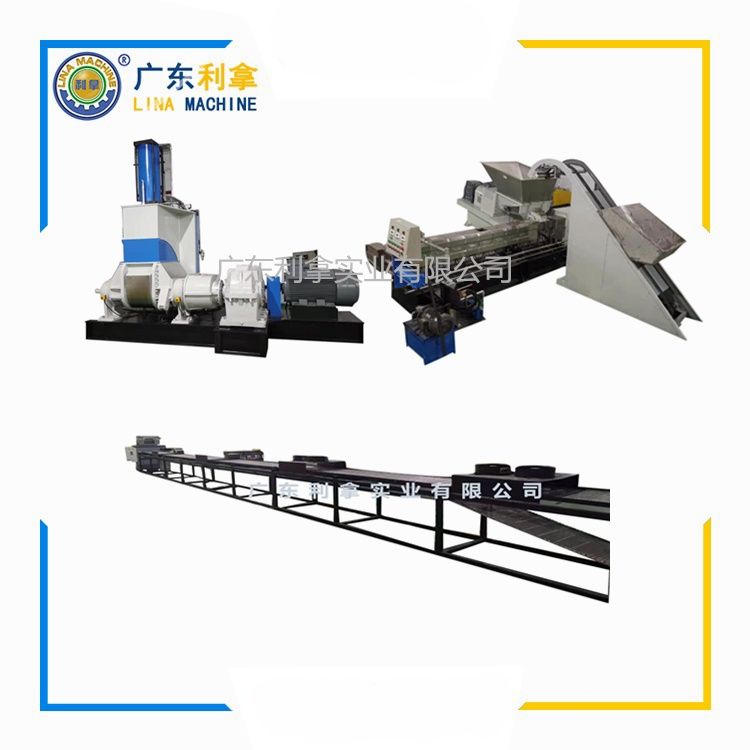
Once the melted material has reached the desired consistency, it is granulated into pellets using specialized equipment. The granulating unit should be designed to handle a wide range of materials and sizes, and should be capable of producing high-quality pellets with minimal defects or impurities. The granulating process should be optimized to minimize energy consumption and reduce waste.
After the pellets have been produced, they are cooled down to their final shape and size. This process is critical for ensuring that the pellets have the desired physical properties, such as flexibility and resilience. The cooling unit should be equipped with advanced sensors and control systems to monitor and adjust the temperature and pressure as needed.
Finally, the pellets are packaged and stored for further use or sale. The packaging unit should be designed to handle a wide range of materials and sizes, and should be capable of producing high-quality packaging with minimal defects or impurities. The packaging process should be optimized to minimize energy consumption and reduce waste.
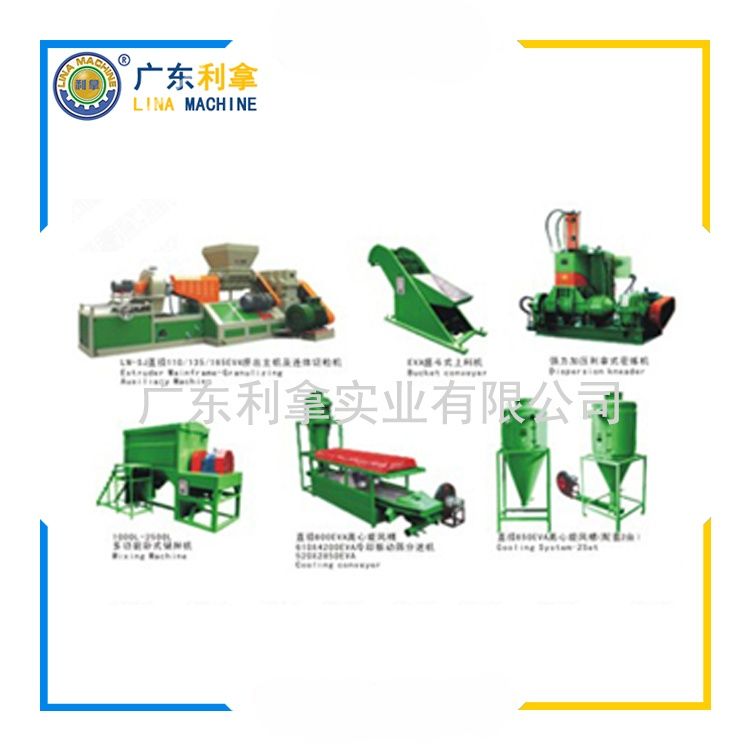
Tips for Optimizing Flexible Plastic Pellet Production Lines:
1. Invest in advanced sensors and control systems to monitor and adjust the temperature and pressure during the melting, granulating, and cooling processes. This will help ensure that the final product meets the desired specifications and quality standards.
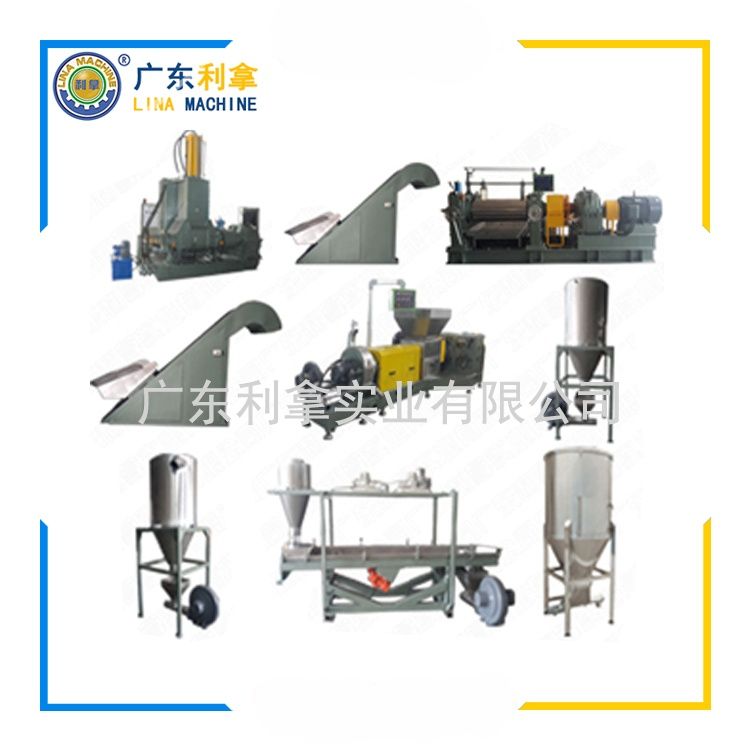
2. Consider implementing automation and robotics technology to improve efficiency and productivity. This can include automated feeding systems, conveyor belts, and other machinery that can operate without human intervention.
3. Invest in energy-efficient equipment and technologies to reduce energy consumption and minimize waste. This can include LED lighting, water recycling systems, and other energy-efficient features that can be incorporated into the production line design.
4. Conduct regular maintenance and inspections to identify and address any potential issues or defects in the production line. This can help prevent costly repairs or replacements down the line.
5. Stay up-to-date with the latest industry trends and advancements in flexible plastic pellet production technology. This can help ensure that your production line remains competitive and efficient in the long run.