
The Role of Shoe Material Melt Pressing Machines in the Footwear Industry
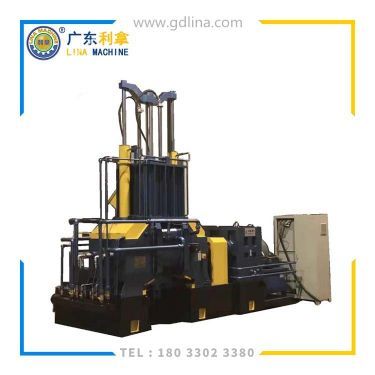
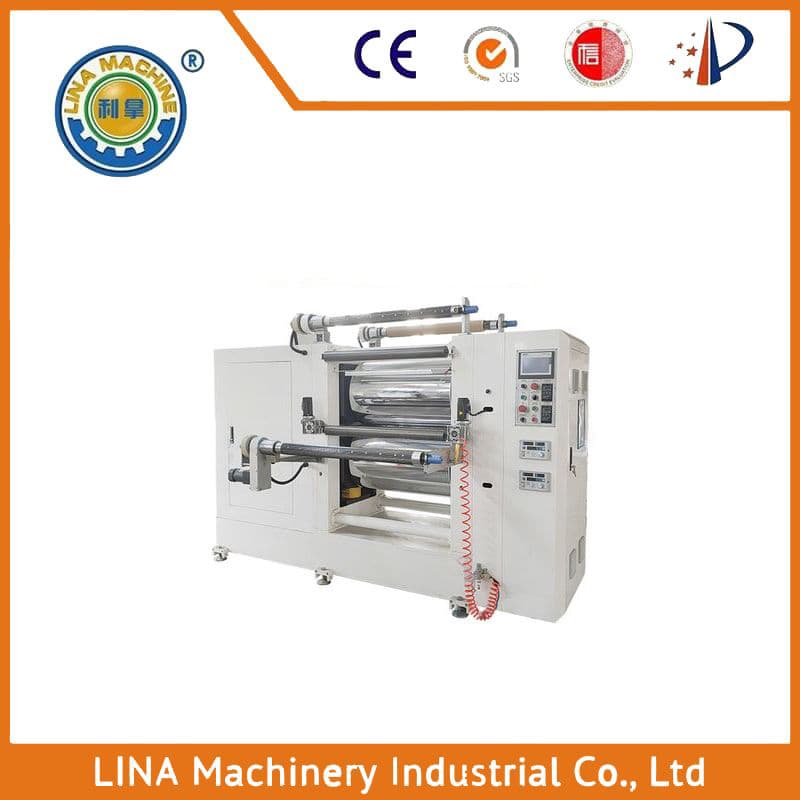
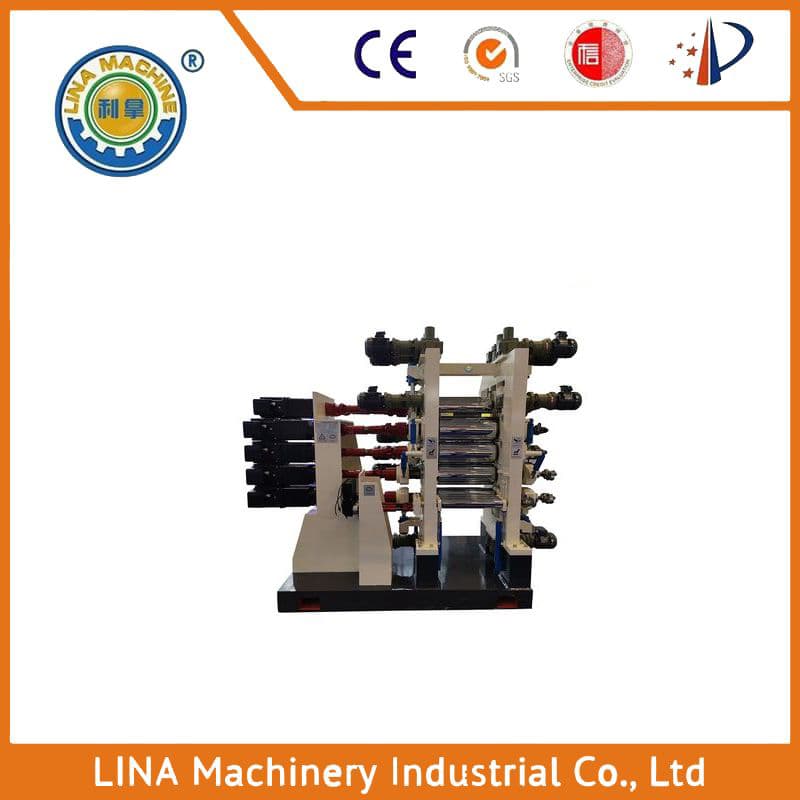
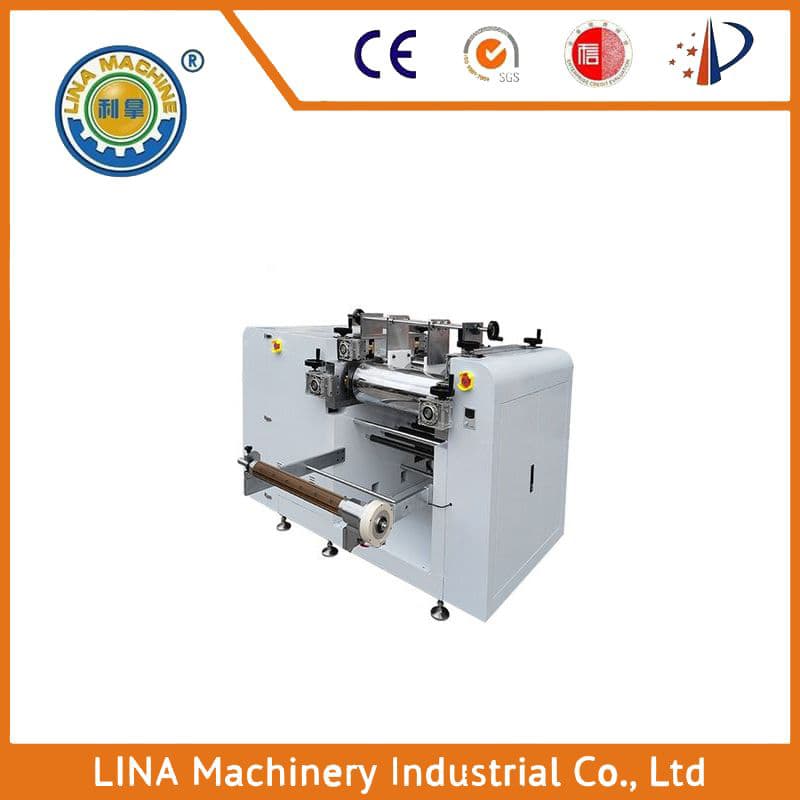
In the world of footwear manufacturing, the shoe material melt pressing machine plays a crucial role in the production process. These machines are designed to transform raw materials into high-quality shoes by applying heat and pressure to the materials. They are essential tools for manufacturers who want to produce shoes with superior quality and durability.
The shoe material melt pressing machine is a versatile tool that can be used in various industries. In the footwear industry, it is used to manufacture leather shoes, canvas shoes, and other types of footwear. The machine uses high-temperature heat to melt the raw materials, which are then pressed into shape using specialized molds. This process ensures that the final product has a smooth surface, good fit, and excellent durability.
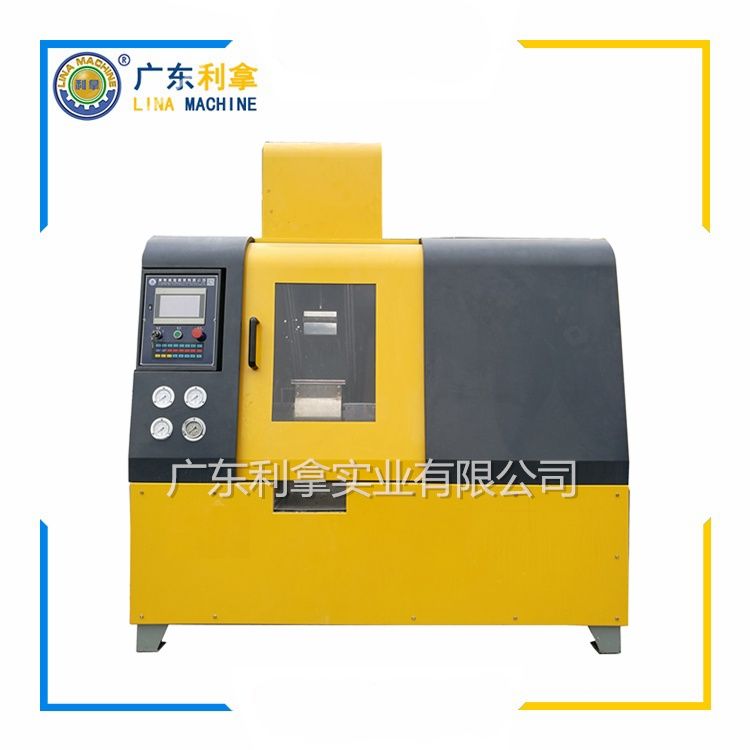
One of the key benefits of using a shoe material melt pressing machine is its ability to produce consistent results. With precise control over the temperature and pressure applied during the process, manufacturers can ensure that each pair of shoes produced meets the highest standards of quality and performance. Additionally, these machines can handle a wide range of materials, including leather, fabric, and synthetic materials, making them ideal for a variety of footwear styles.
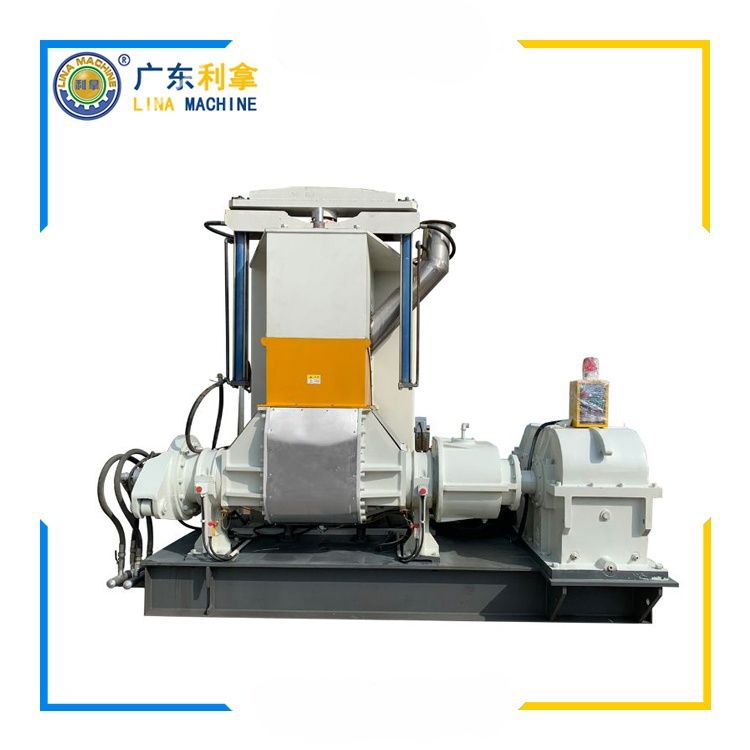
Another advantage of using a shoe material melt pressing machine is its ability to save time and labor costs. By eliminating the need for manual labor and reducing the number of steps required to produce a shoe, manufacturers can increase efficiency and productivity. This can lead to cost savings and improved profitability for businesses operating in the footwear industry.
In conclusion, the shoe material melt pressing machine is an essential tool for the production of high-quality footwear. Its ability to produce consistent results, handle a wide range of materials, and save time and labor costs make it a valuable investment for any manufacturer looking to improve their bottom line. As the footwear industry continues to evolve, it is likely that these machines will continue to play a critical role in shaping the future of footwear production.