

The Role of Two Roll Extrusion Machines in the Manufacturing Industry
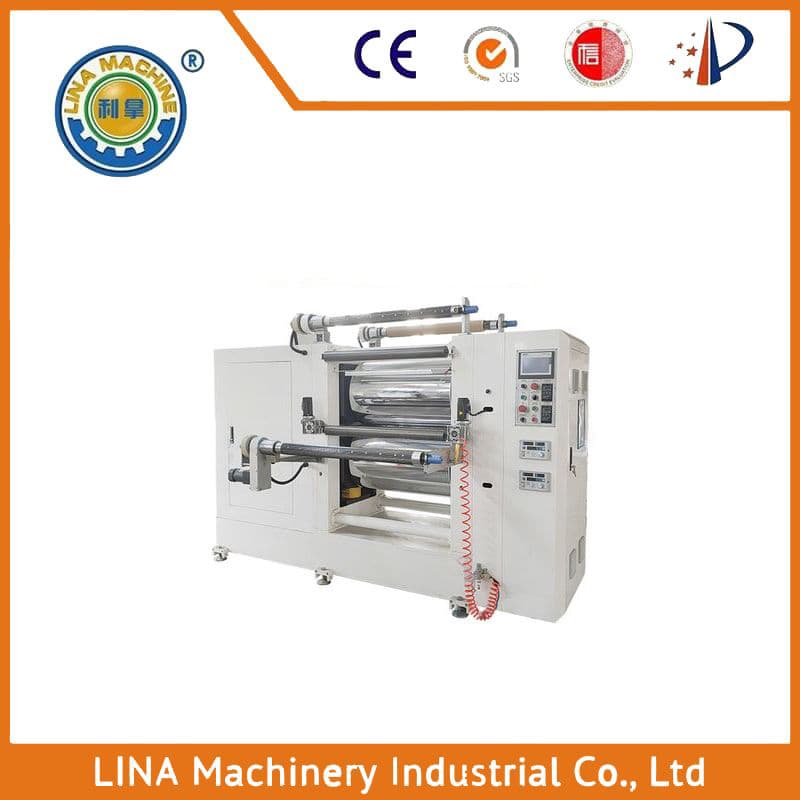
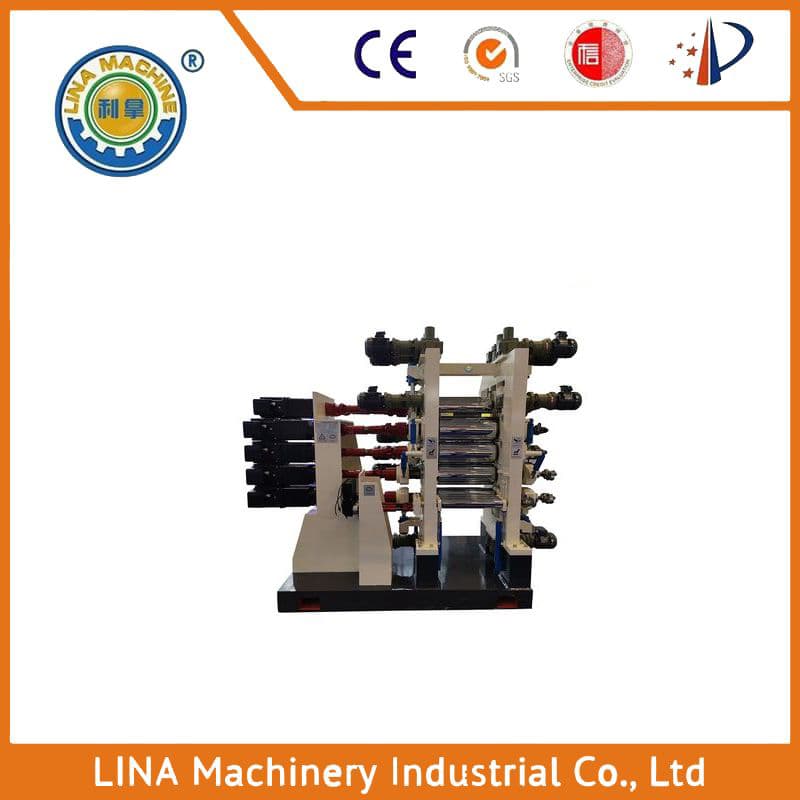
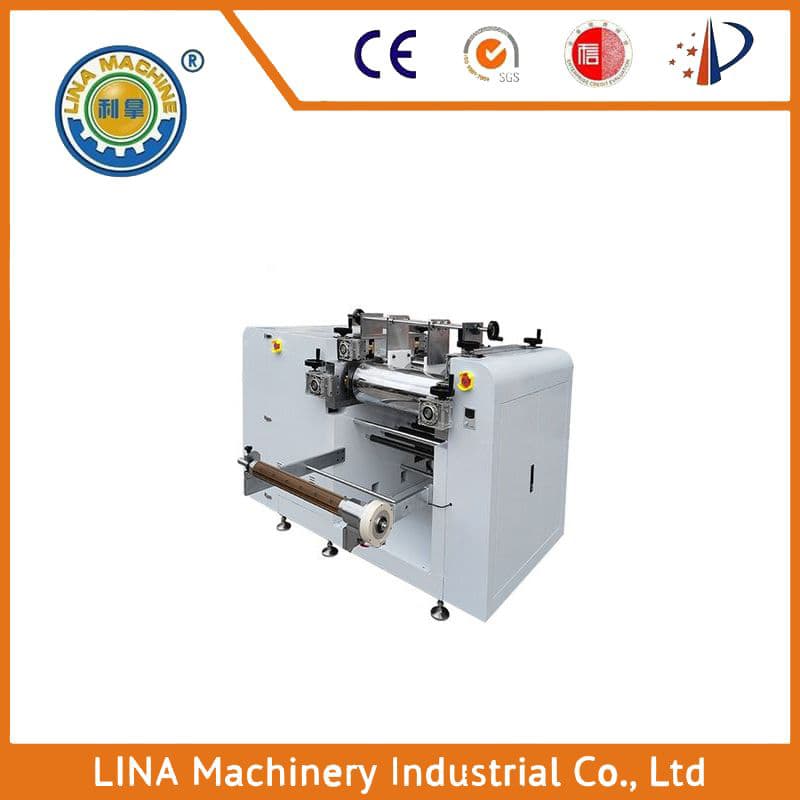
The two-roll extrusion machine is a crucial piece of machinery in the manufacturing industry, particularly in the plastics and metalworking sectors. This machine is used to create products with uniform thickness and shape by applying pressure to molten plastic or metal material. It consists of two rollers that rotate around a central axis, creating a continuous flow of material as it passes through the gap between them. The two rollers are connected to a motor that controls their rotation speed and direction, allowing for precise control over the final product's dimensions and properties.
One of the key benefits of using a two-roll extruder is its ability to produce high-quality products with consistent thickness and surface finish. By controlling the temperature and pressure applied to the molten material, manufacturers can ensure that their products meet specific quality standards. Additionally, two-roll extrusion machines are often used in conjunction with other processing techniques such as injection molding and blow molding, which further enhances their effectiveness in producing complex shapes and sizes.
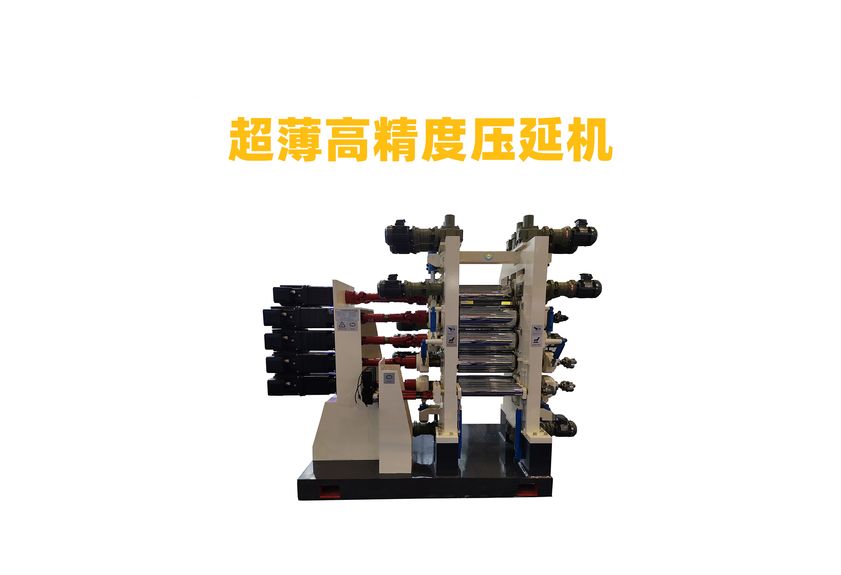
Another advantage of two-roll extrusion machines is their flexibility in terms of material types and applications. They can be used to process a wide range of materials, including plastics, metals, and composites. This makes them ideal for industries that require custom-made products with unique properties, such as automotive, electronics, and construction.
However, like any other machinery, two-roll extrusion machines also have some limitations. For example, they may not be suitable for certain materials or applications due to their limited capacity or specific requirements. Additionally, they require regular maintenance and inspection to ensure optimal performance and safety.
In conclusion, the two-roll extrusion machine is an essential tool in the manufacturing industry, providing precision and consistency in the production of high-quality products. Its flexibility and versatility make it a popular choice for various industries, but it is important to consider its limitations and potential challenges when using it.