




The Art of Rubber Extrusion: A Comprehensive Guide to Rubber Extruder Machines
In the realm of industrial machinery, few are as ubiquitous and critical as the rubber extruder machine. At its core, this versatile piece of equipment is designed to transform raw materials into high-quality, consistent rubber products. Whether you're looking to produce tires, hoses, or any other rubber component, a well-maintained rubber extruder can be the difference between success and failure. In this article, we'll delve into the intricacies of rubber extrusion, exploring the various types of rubber extruders available, their applications, and how to select the right one for your needs.
At its most basic level, a rubber extruder is a machine that uses heat and pressure to convert molten rubber into a solid form. This process involves passing molten rubber through a die, which defines the final shape of the product. As the molten rubber passes through the die, it is forced out at a high velocity, creating a solid block of rubber. This solid block is then cooled and cut into individual pieces, ready for further processing or use.
There are several different types of rubber extruders, each with its own unique features and capabilities. Here are a few of the most common types:
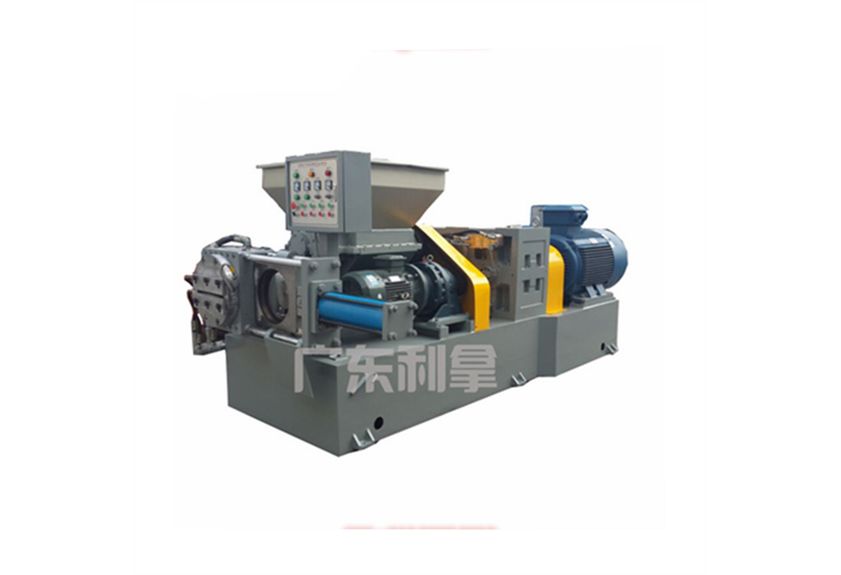
1. Sheet Extruder: This type of extruder is ideal for producing sheets of rubber, such as tire treads or hose linings. It uses a flat die to create a continuous sheet of rubber, which can then be cut into smaller pieces for further processing.
2. Rod Extruder: This type of extruder is used for producing rods of rubber, such as wire or cable insulation. It has a die that creates a long, thin rod of rubber, which can then be cut into smaller pieces for further processing.
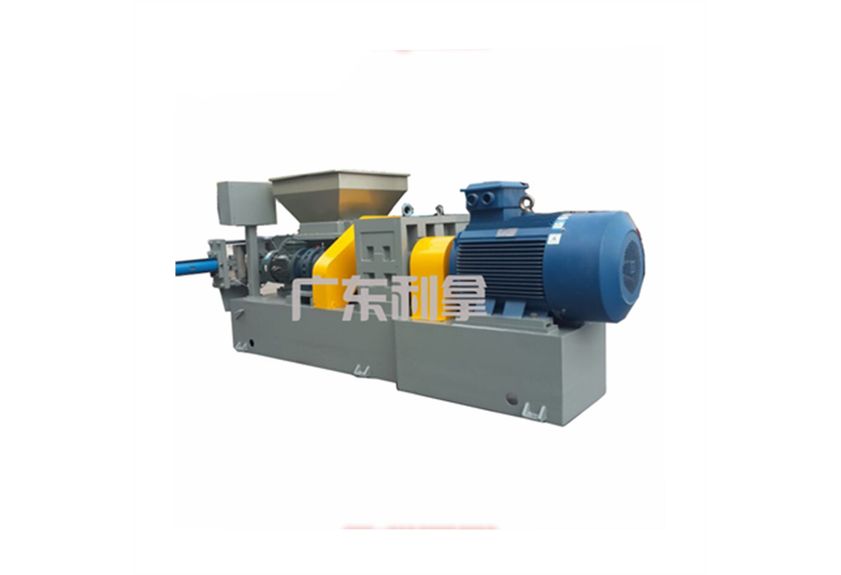
3. Pellet Extruder: This type of extruder is used for producing small pellets of rubber, which can be used as fillers in other products. It uses a die that creates small, uniform pellets of rubber, which can then be mixed with other ingredients to create a finished product.
4. Spray Extruder: This type of extruder is used for producing thin films of rubber, such as those used in automotive seals or weatherstripping. It uses a die that creates a thin, even layer of rubber, which can then be coated with additional materials for additional protection or functionality.
When selecting a rubber extruder, there are several factors to consider. Firstly, the type of rubber you will be extruding should be taken into account, as different types of rubber require different processing techniques. Secondly, the size and shape of the product you are trying to produce should be considered, as this will determine the appropriate die design and setup for your extruder. Finally, the cost and maintenance requirements of the extruder should also be taken into account, as these factors can significantly impact the overall cost and efficiency of your production process.
In conclusion, the rubber extruder machine is an essential tool in the world of manufacturing. With its ability to transform raw materials into high-quality, consistent rubber products, it plays a crucial role in many industries. By understanding the different types of rubber extruders available and considering the specific needs of your business when selecting one, you can ensure that your production process is optimized and yields the highest quality results possible.