
The Art of Water Latex Pelletizing Machinery
The art of water latex pelletizing is a fascinating process that involves the conversion of natural latex into a more manageable form. This technology has found immense utility in various industries, from pharmaceuticals to cosmetics, where it is used to produce high-quality, consistent products. In this article, we will explore the intricacies of the water latex pelletizing machine and its impact on the industry.
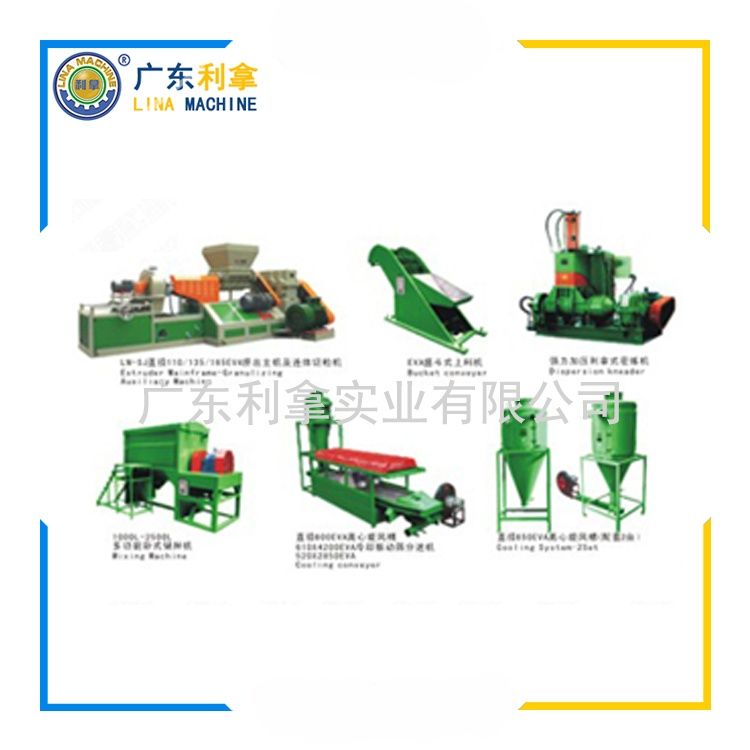
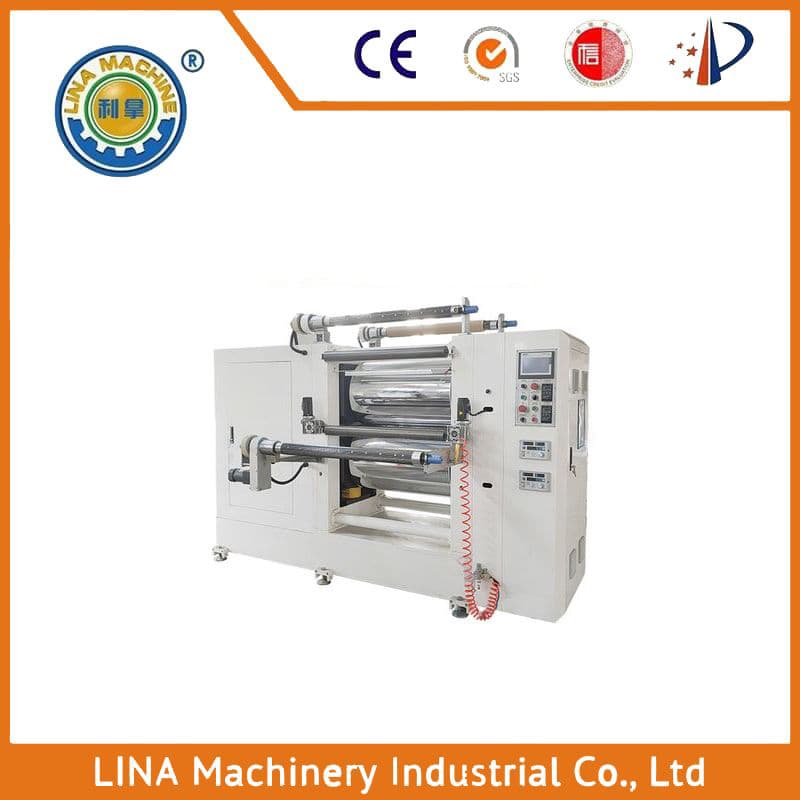
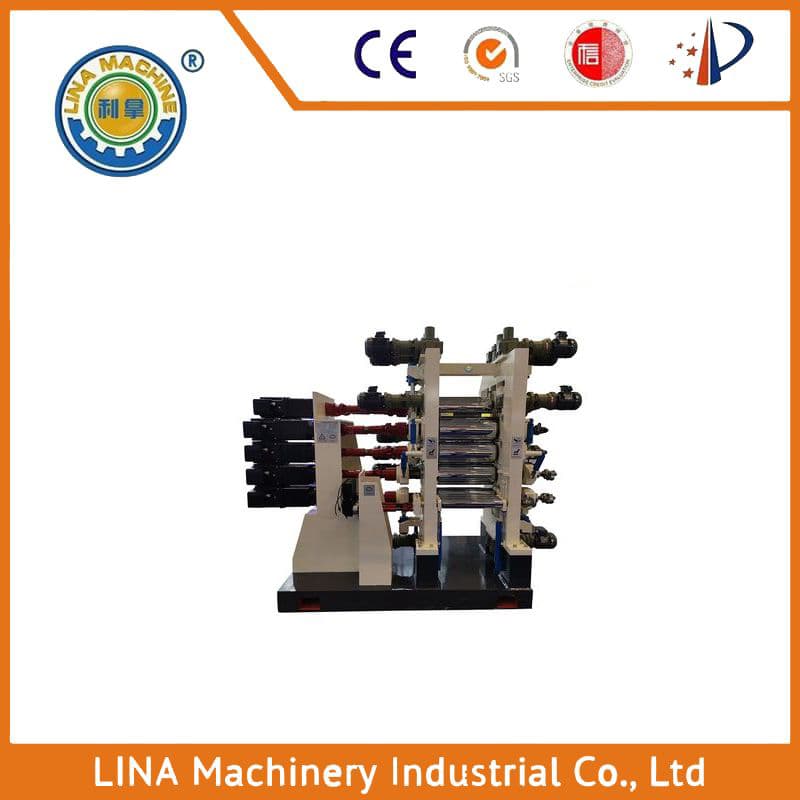
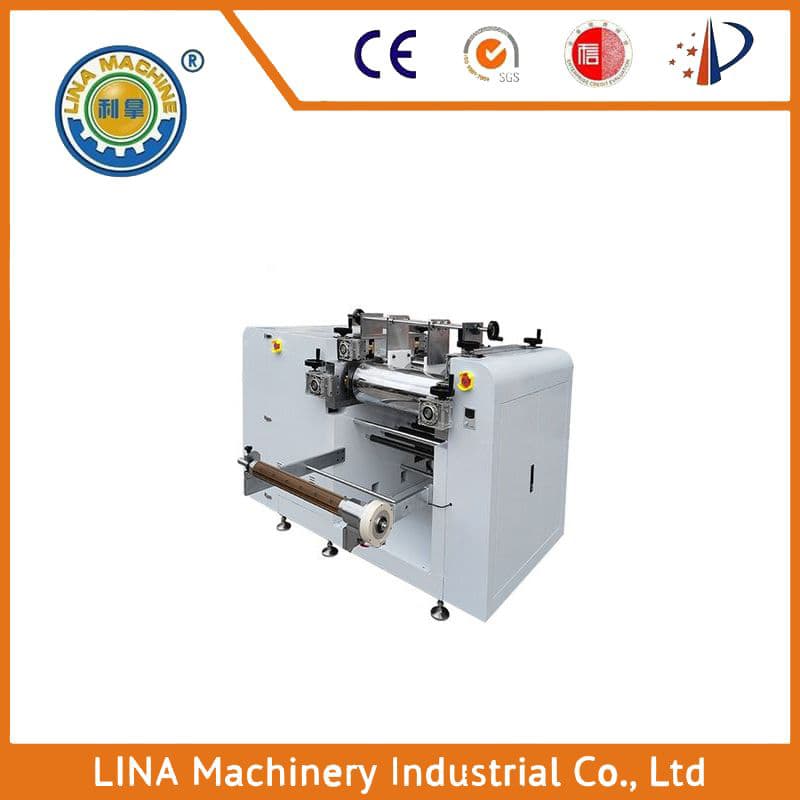
At its core, the water latex pelletizing machine is a sophisticated piece of equipment designed to transform latex into a uniform, hard, and stable pellet. This process involves several key steps, including pretreatment, mixing, and drying. Pretreatment involves removing any impurities from the latex, while mixing ensures that all components are evenly distributed. Finally, drying is crucial for setting the final shape and ensuring that the pellet maintains its integrity throughout storage and transportation.
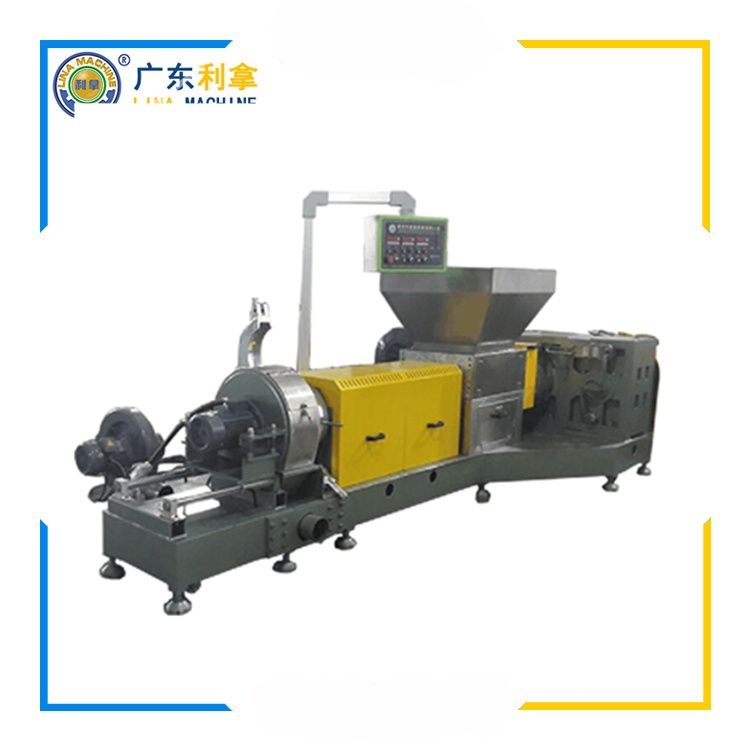
One of the most significant benefits of using a water latex pelletizing machine is its ability to produce high-quality products with consistent properties. By controlling the temperature, pressure, and other variables during the process, manufacturers can ensure that their products meet strict quality standards. Additionally, this technology allows for greater flexibility in terms of product design, as manufacturers can easily adjust the size and shape of the pellets to suit specific applications.
Another advantage of water latex pelletizing is its environmental friendliness. Unlike traditional methods that involve solvents or chemicals, this process relies solely on water and heat, making it a more sustainable option. This not only reduces waste but also minimizes the risk of exposure to harmful substances.
In conclusion, the water latex pelletizing machine is a powerful tool that has revolutionized the industry by enabling manufacturers to produce high-quality, consistent products with greater ease and efficiency. Its ability to produce products with consistent properties and its environmental friendliness make it an essential tool for any manufacturer looking to improve their production processes. As the demand for high-quality, sustainable products continues to grow, the importance of this technology will only increase.