

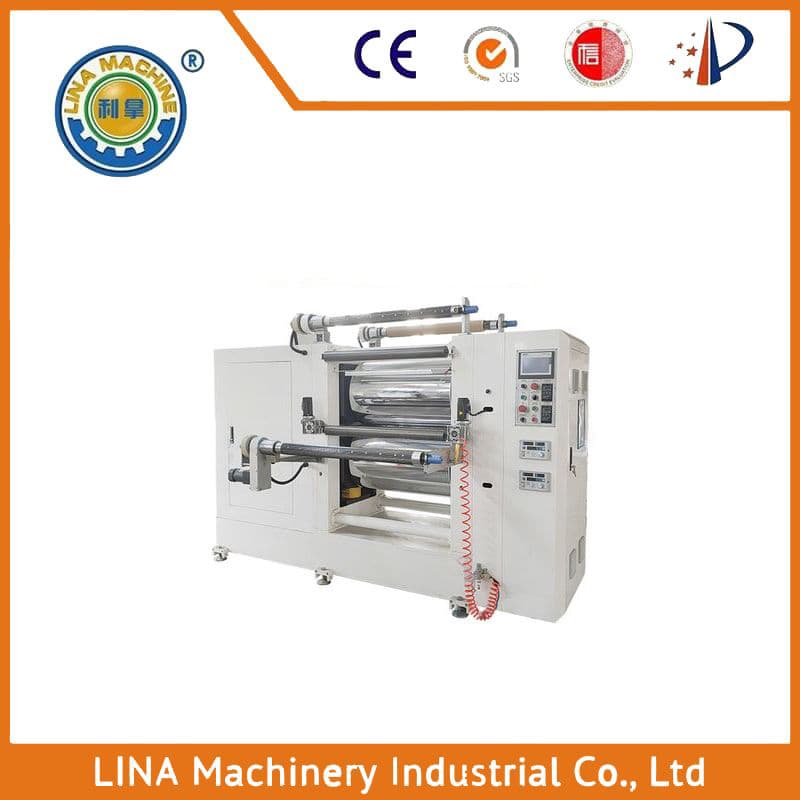
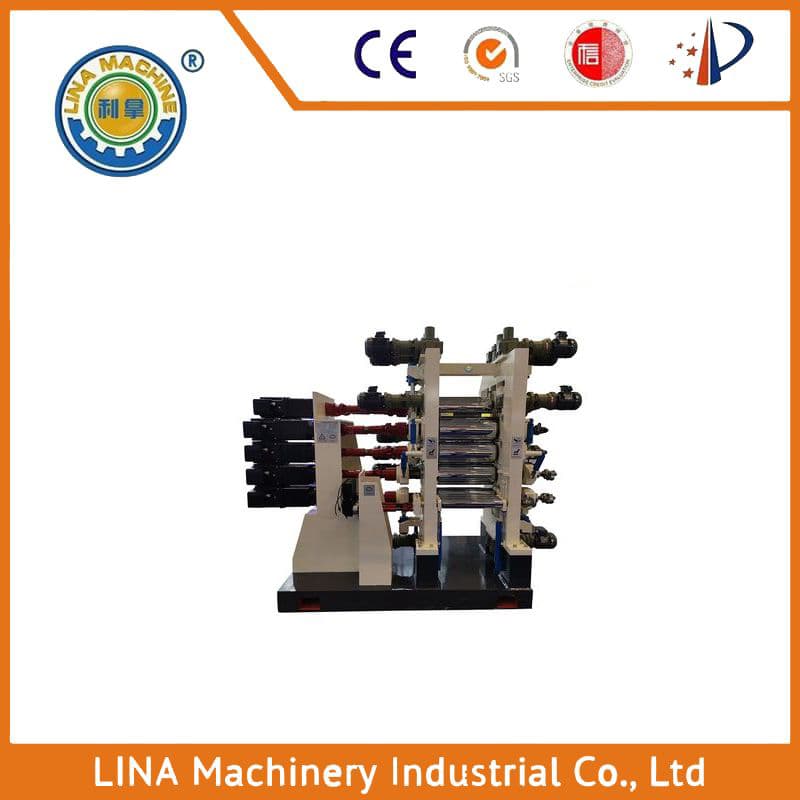
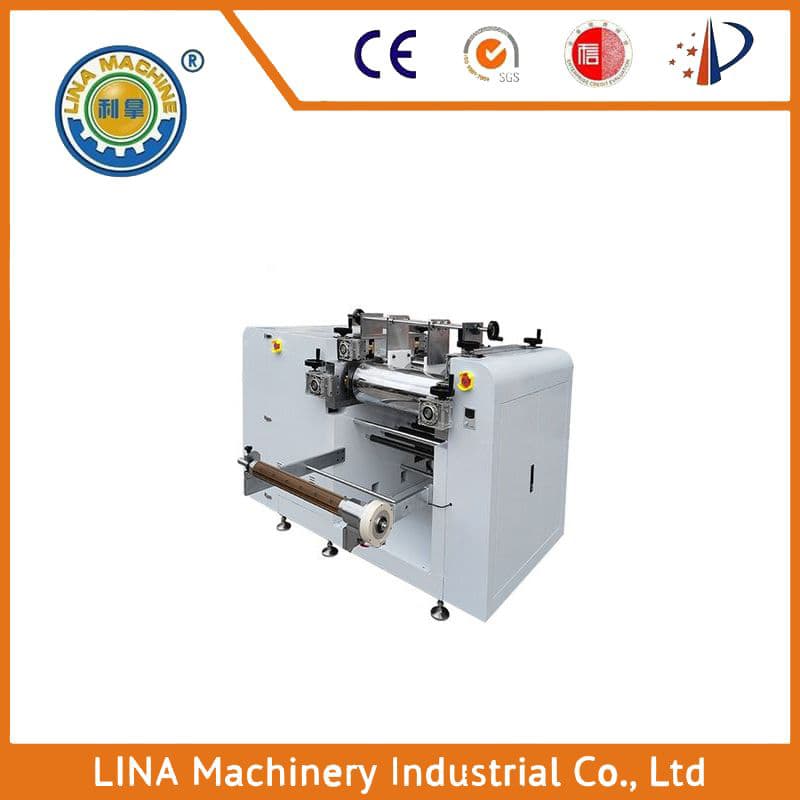
The Ultimate Guide to Vacuum Mixing Machines
In the realm of industrial machinery, vacuum mixing machines stand as a testament to technological advancement. These sophisticated devices are designed to achieve maximum efficiency and consistency in the processing of materials, making them an essential tool for any chemical or metallurgical laboratory.
At their core, vacuum mixing machines operate by creating a vacuum environment within the chamber, which draws air out and replaces it with a stream of liquid or gaseous material. This process not only facilitates efficient mixing but also reduces the risk of contamination and maintains a clean working environment.
One of the key benefits of vacuum mixing machines is their ability to handle a wide range of materials, from powders and granules to liquids and solids. This flexibility allows for customized solutions tailored to specific applications, ensuring that each product meets its intended specifications.
Another advantage of these machines is their speed and precision. With minimal air content, they can mix materials at high speeds without introducing impurities or degradation. This results in products with superior quality and performance, making them ideal for demanding industries such as pharmaceuticals, food, and electronics.
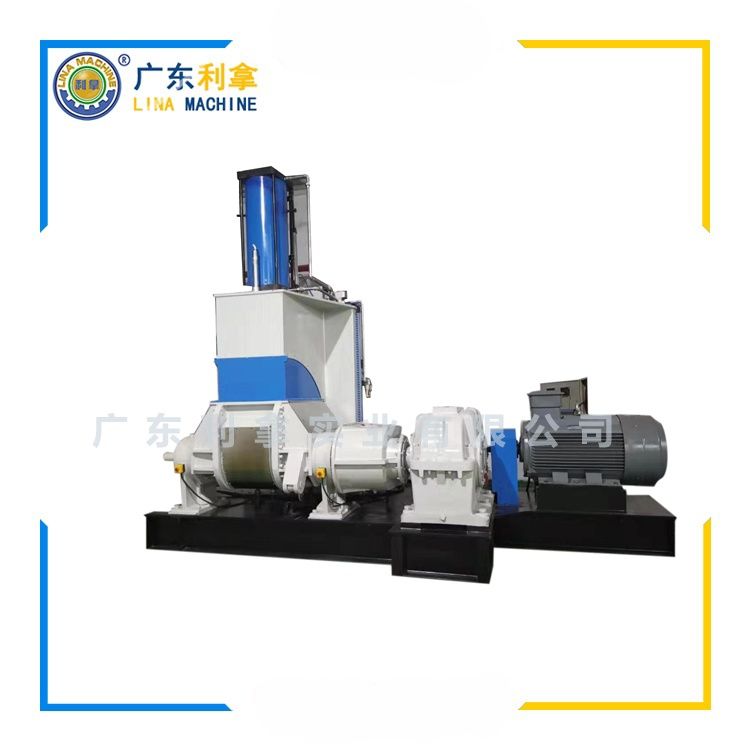
Moreover, vacuum mixing machines offer significant cost savings compared to traditional methods. By reducing energy consumption and minimizing waste, they help businesses save money on operational expenses. Additionally, their compact design makes them easy to transport and install, further enhancing their value-added capabilities.

In conclusion, vacuum mixing machines represent a powerful tool for achieving optimal results in the world of manufacturing. Their ability to handle a wide range of materials, speed, precision, and cost-effectiveness make them an essential investment for any industry seeking to improve efficiency and quality. So why wait? Invest in your future success today!