




The Role of Large-Scale Mixing Machines in the Manufacturing Industry
Mixing machines are an essential part of the manufacturing industry, particularly in the production of plastics, rubber, and other materials. Large-scale mixing machines play a crucial role in the process of mixing raw materials into a homogeneous mixture that can be molded or shaped into desired products. These machines are designed to handle large batches of material and produce consistent results every time.
One of the main advantages of large-scale mixing machines is their capacity for handling large volumes of material. This means that they can be used to produce products that would otherwise require multiple smaller machines to produce. For example, a single large-scale mixer can produce enough plastic parts for a car assembly line.
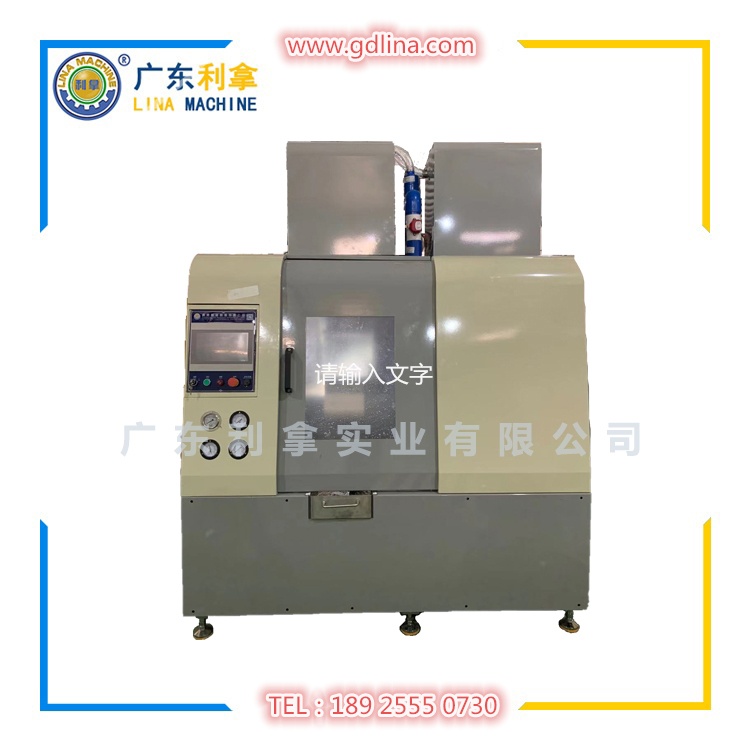
Another advantage of these machines is their ability to produce a wide range of products. They can be customized to meet specific needs, such as producing different types of plastic parts or rubber compounds. This flexibility allows manufacturers to save money by using one machine instead of multiple smaller ones.
In addition to their practical benefits, large-scale mixing machines also have a significant impact on the environment. By reducing the need for multiple machines and minimizing waste, they help to reduce energy consumption and greenhouse gas emissions. This not only benefits the environment but also contributes to the overall sustainability of the manufacturing industry.
1. Large-Scale Mixing Machines
2. Plastic Production
3. Rubber Compounds
4. Manufacturing Industry
5. Environmental Impact
This article discusses the importance of large-scale mixing machines in the manufacturing industry, focusing on their role in producing plastics, rubber compounds, and other materials. It highlights the benefits of using one machine to produce a wide range of products, including their environmentally friendly impact. By understanding the capabilities and benefits of these machines, manufacturers can make informed decisions about how to optimize their production processes.