

The Two-Roll Mill: An Overview of Its Role in Rubber Technology
The two-roll mill is a critical piece of equipment in the rubber industry, primarily used for the production of vulcanized rubber. It plays a significant role in the process of vulcanization, which involves the chemical reaction between rubber and sulfur to form cross-linked polymers. This process is essential for creating durable and elastic materials that are used in various applications, such as tires, hoses, and seals.
The two-roll mill consists of two parallel metal rollers that rotate against each other, causing friction and heat. This friction generates heat, which is necessary for the vulcanization process. As the rollers move, they press the rubber material together, causing it to soften and flow. This process is repeated several times until the desired consistency is achieved.
One of the key features of the two-roll mill is its ability to control the temperature and pressure during the vulcanization process. This is achieved through the use of various heating elements and pressure regulators, which allow for precise control over the conditions in the mill. By adjusting these parameters, manufacturers can optimize the quality and performance of their vulcanized rubber products.
In addition to its technical advantages, the two-roll mill also has a significant impact on the environment. Compared to other methods of rubber production, vulcanization using the two-roll mill produces fewer waste products and lower emissions. This makes it an attractive option for companies looking to reduce their environmental footprint.
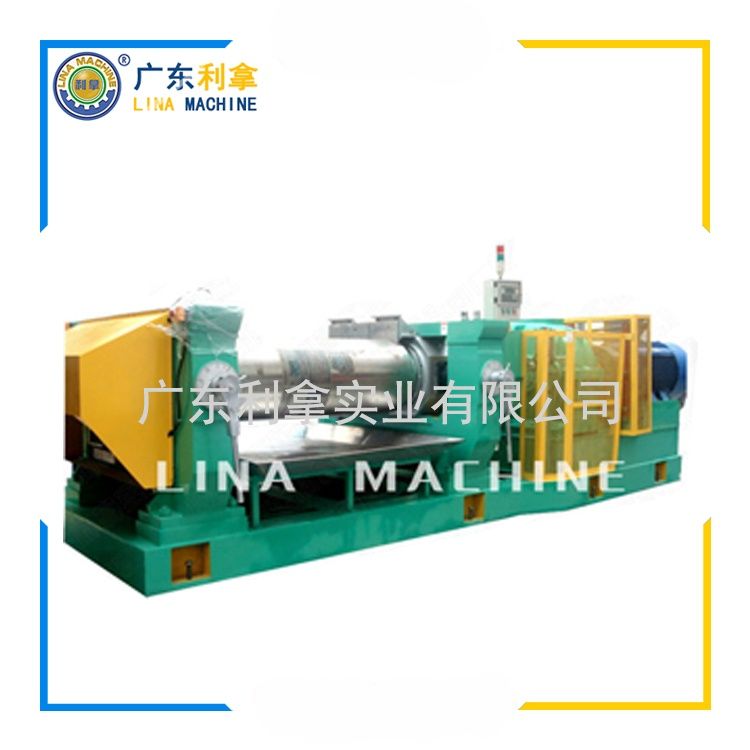
Overall, the two-roll mill is a vital tool in the rubber industry, providing a reliable and efficient way to produce vulcanized rubber. Its ability to control the vulcanization process and minimize environmental impact makes it an ideal choice for many manufacturers.
