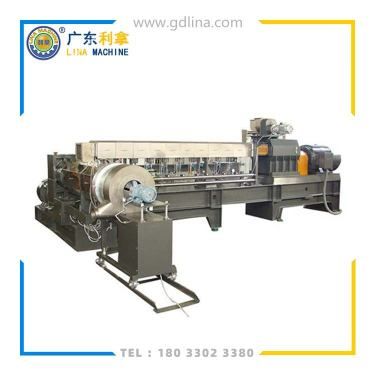



PLA降解造粒机:环保与创新的完美结合
The Plastic-Less Degradable Pellet Machine is a revolutionary tool that has taken the world by storm in recent years. This innovative machine uses biodegradable polylactic acid (PLA) to produce eco-friendly pellets that can be used as a substitute for traditional plastics. In this article, we will explore the benefits of using PLA pellets and how the Plastic-Less Degradable Pellet Machine can help achieve sustainability goals.
One of the most significant advantages of using PLA pellets is their biodegradability. Unlike traditional plastics, which take hundreds of years to decompose, PLA pellets can break down quickly in soil or water, releasing carbon dioxide and other beneficial nutrients back into the environment. This makes PLA an ideal choice for reducing waste and promoting sustainable practices.
Another benefit of using PLA pellets is their low environmental impact. Unlike petroleum-based plastics, PLA does not require refining or processing, which reduces energy consumption and greenhouse gas emissions. Additionally, PLA is made from renewable resources such as cornstarch or sugarcane, making it a more sustainable alternative to traditional plastics.
The Plastic-Less Degradable Pellet Machine is a game-changer for businesses looking to reduce their environmental footprint. By using PLA pellets, companies can reduce their carbon footprint and contribute to a healthier planet. The machine's advanced technology ensures that the pellets are produced with high quality and consistency, making them ideal for various applications such as packaging, food storage, and even medical devices.
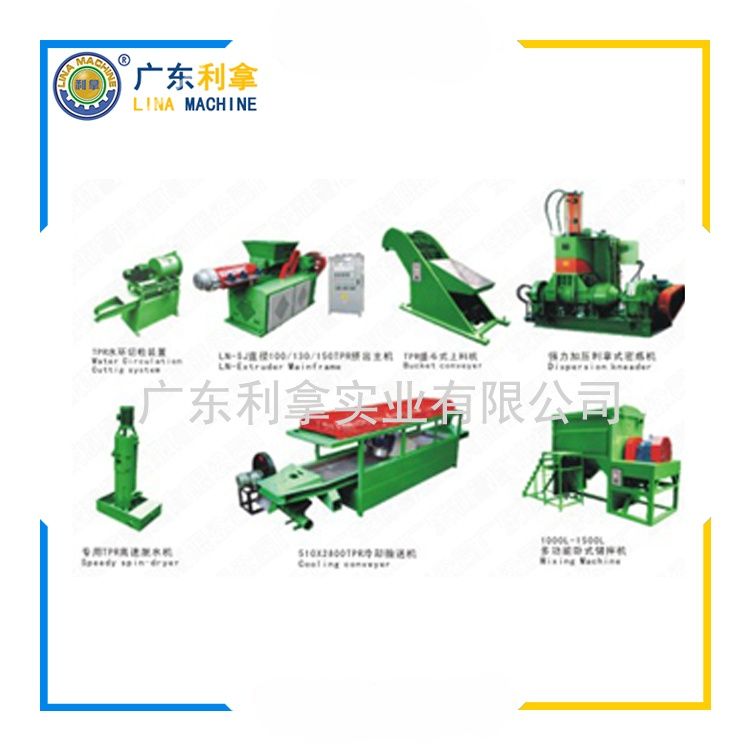
In conclusion, the Plastic-Less Degradable Pellet Machine represents a significant step towards achieving sustainability goals. Its ability to produce biodegradable pellets that can be used as alternatives to traditional plastics is a game-changer for businesses looking to reduce their environmental impact. By embracing PLA and its associated benefits, we can work towards a brighter future where plastic pollution is a thing of the past.