




The Art of Granulation: High Temperature Materials
Granulation is a crucial process in the manufacturing industry, particularly in the pharmaceutical and chemical sectors. It involves the formation of small, uniform particles from larger materials by means of heat and pressure. In this article, we will explore the art of granulation, specifically focusing on high-temperature materials that require specialized equipment to ensure their safe and efficient processing.
The first step in granulation is the selection of the raw material. High-temperature materials such as metals, ceramics, and polymers must be carefully chosen based on their melting point, thermal stability, and compatibility with the granulating process. These materials can undergo significant changes in properties during the granulation process, so it is essential to choose materials that are stable and compatible with the desired particle size and shape.
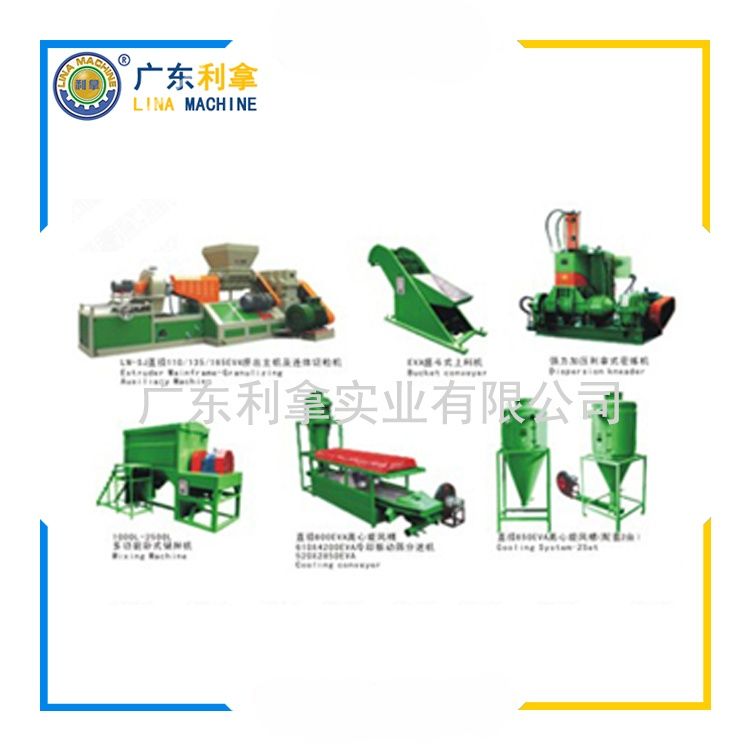
Once the raw material has been selected, the next step is to prepare the granulating equipment. High-temperature materials require specialized equipment that can withstand the high temperatures generated during the granulation process. This equipment includes furnaces, mixers, and granulator machines. The furnace is used to heat the raw material to the appropriate temperature for granulation, while the mixer and granulator machines are used to blend and granulate the material.
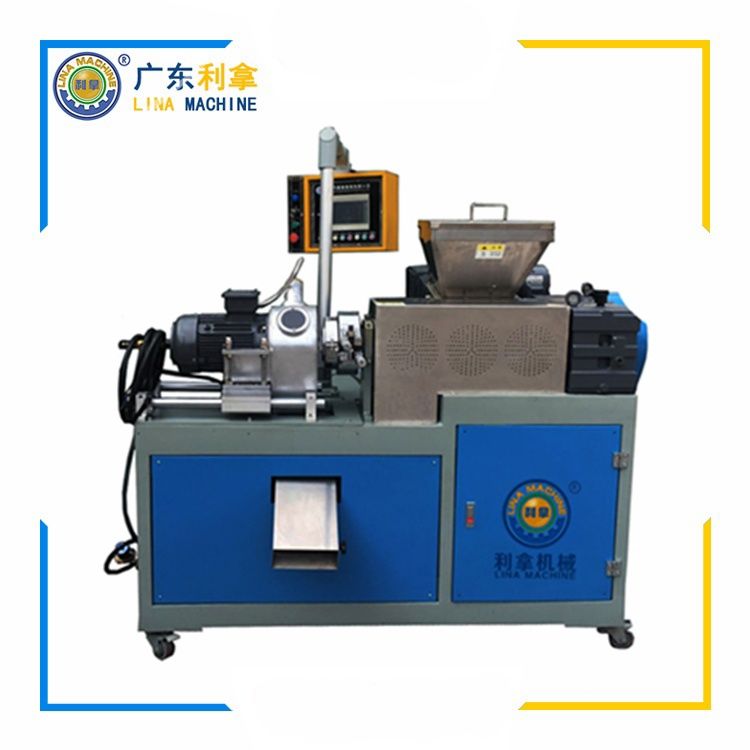
The granulation process itself involves several steps. First, the raw material is heated to a high temperature, typically between 1000°C and 1500°C. This high temperature helps to melt the material and create a homogeneous mixture. Next, the mixture is cooled rapidly to prevent crystallization and maintain its consistency. Finally, the cooled mixture is granulated into small, uniform particles using specialized equipment such as hammer mills or roller mills.
One of the challenges of granulating high-temperature materials is maintaining the integrity of the particles during the process. High temperatures can cause the particles to deform or crack, which can affect their physical properties and performance. To overcome this challenge, operators must carefully control the temperature and pressure during the granulation process, as well as select appropriate equipment that can handle the high temperatures generated.
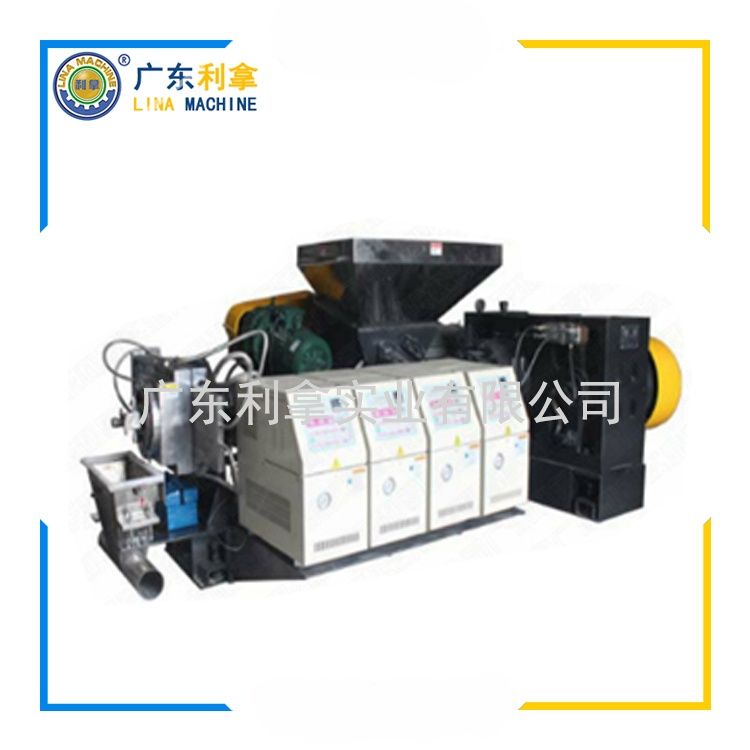
In addition to these technical considerations, there are also environmental factors that must be taken into account when granulating high-temperature materials. For example, the use of energy-efficient equipment and processes can help reduce greenhouse gas emissions and minimize waste generation. Additionally, proper disposal methods must be implemented to ensure that the waste generated during the granulation process does not pose a risk to human health or the environment.
In conclusion, granulation is an important process in the manufacturing industry, particularly for high-temperature materials. By selecting appropriate raw materials, preparing specialized equipment, controlling the temperature and pressure during the process, and considering environmental factors, operators can ensure that high-temperature materials are processed safely and efficiently. As technology continues to advance, we can expect even more innovative solutions to emerge in the field of granulation, further enhancing our ability to manufacture high-quality products with minimal environmental impact.