




Metal Powder Extrusion Machines: A Detailed Guide to Their Function and Applications
Metal powder extrusion machines are essential tools in the metalworking industry, particularly in the production of high-quality metal products. These machines are designed to process a wide range of materials, including aluminum, copper, and steel, into various shapes and sizes. In this article, we will explore the function, applications, and maintenance of these machines.
Function:
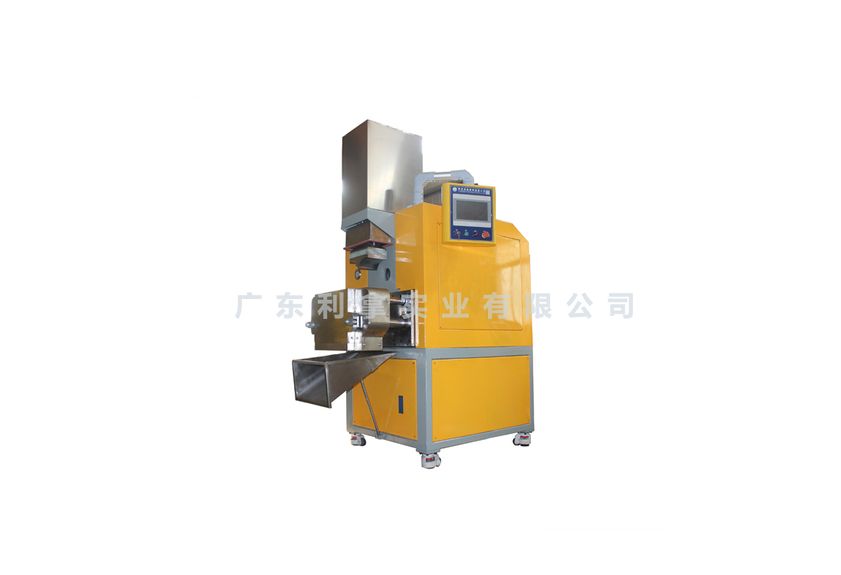
Metal powder extrusion machines are used for shaping metal powder into desired shapes using a die. The machine consists of a hopper, screw extruder, die, and cooling system. The hopper is used to feed the metal powder into the machine, while the screw extruder rotates the powder through the die. The die is designed to create the desired shape of the product, while the cooling system helps to solidify the product after it has been formed.
Applications:
Metal powder extrusion machines are widely used in industries such as automotive, electronics, and construction. They can be used to produce parts such as engine blocks, gears, and structural beams. Additionally, they are also used in the manufacturing of medical implants and dental appliances.
Maintenance:
To ensure the longevity and efficiency of metal powder extrusion machines, regular maintenance is necessary. This includes cleaning the machine's components regularly, inspecting the screw for wear and tear, and checking the cooling system for proper function. It is also important to replace worn-out parts promptly to prevent damage to the machine.
1. Metal Powder Extrusion Machines
2. Metalworking Industry
3. Die
4. Cooling System
5. Maintenance
This article provides a comprehensive guide on the function, applications, and maintenance of metal powder extrusion machines. By understanding their importance in the metalworking industry, readers can make informed decisions about investing in these machines or seeking professional assistance for their maintenance needs. The information provided in this article will help readers find the right equipment for their specific needs and ensure optimal performance of their metal processing operations.