

The Role of Melt Blown Particle Extruders in the Manufacturing Industry
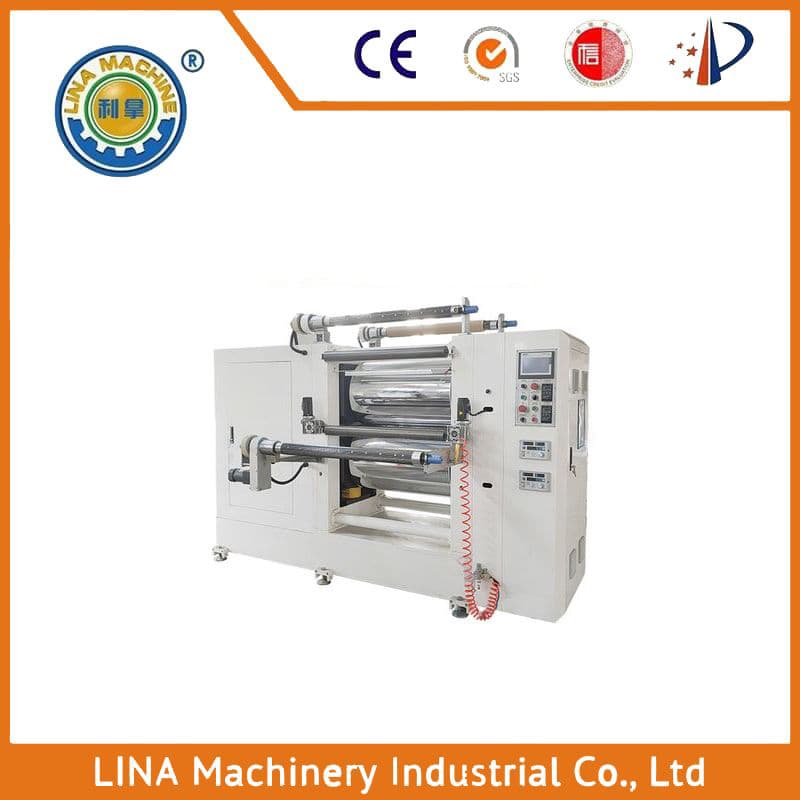
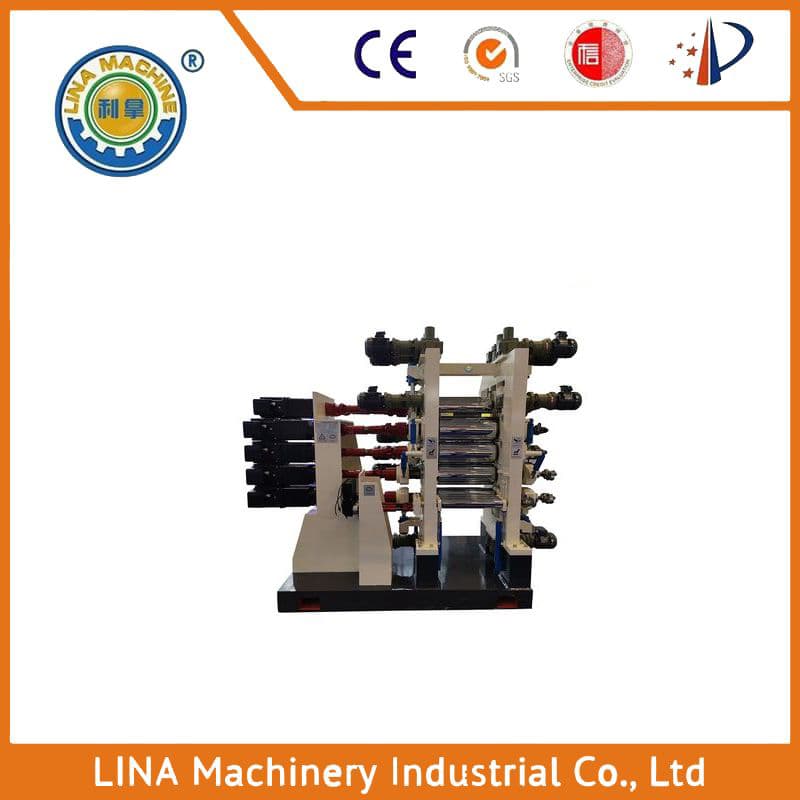
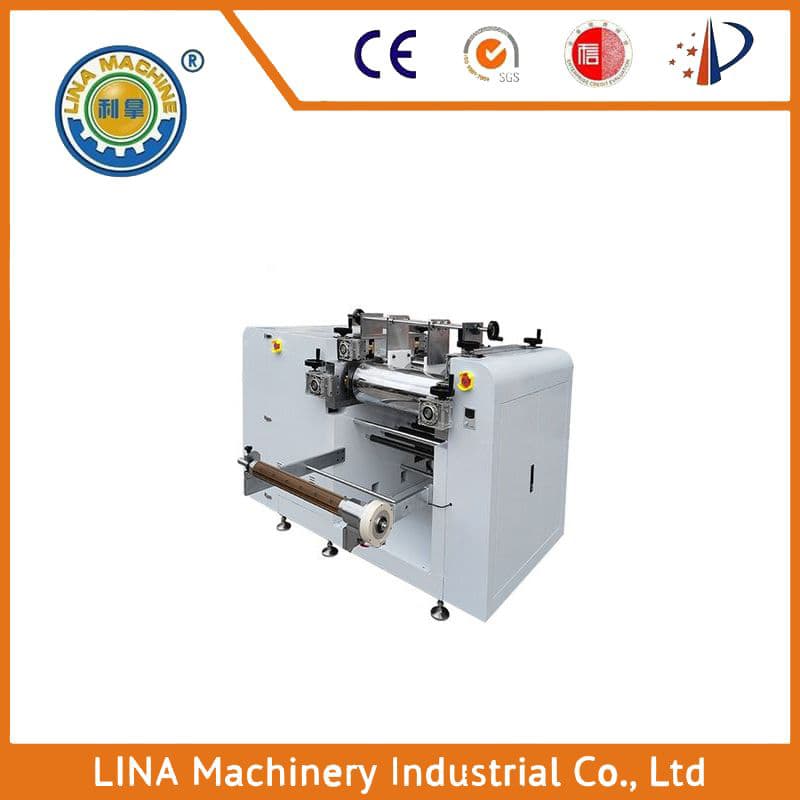
Melt blown particle extrusion machines play a crucial role in the manufacturing industry, particularly in the production of medical and protective materials. These machines are designed to process thermoplastic polymers into uniformly shaped particles that can be used for various applications such as surgical masks, face shields, and other protective gear.
The melt blowing process involves feeding a thermoplastic polymer into a high-pressure extruder, which then converts the polymer into molten filaments. These molten filaments are then drawn through a die, resulting in the formation of thin, uniform layers of material. This layer is then cooled and solidified, forming the final product.
One of the key advantages of melt blown particle extrusion machines is their ability to produce high-quality, consistent products with minimal waste. By using computer-controlled systems, these machines can adjust the temperature and pressure of the process to optimize the properties of the final product. Additionally, they can also be easily customized to meet specific requirements for different applications.
Another important aspect of melt blown particle extrusion machines is their ability to handle a wide range of thermoplastic polymers. This makes them ideal for producing a variety of products, including those that require high strength, stiffness, or flexibility. For example, polypropylene (PP) is commonly used in medical equipment due to its excellent resistance to chemicals and its ability to maintain its shape even under high temperatures.
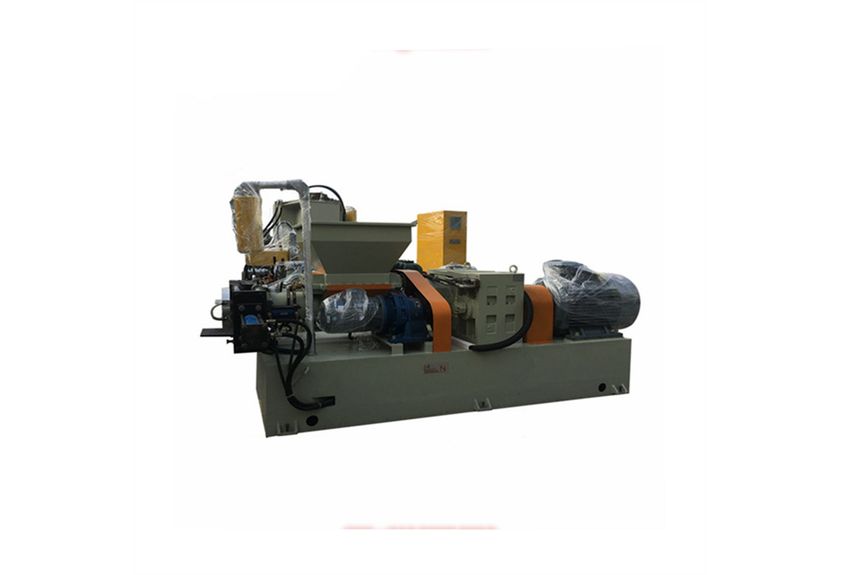
In conclusion, melt blown particle extrusion machines play an essential role in the manufacturing industry by providing a cost-effective and efficient way to produce high-quality, consistent products. Their ability to handle a wide range of thermoplastic polymers and their ability to produce products with minimal waste make them an invaluable tool for businesses looking to improve their efficiency and reduce costs.
