
The Art of Rubber Tire Extrusion: An Insight into the Open-Roller Process
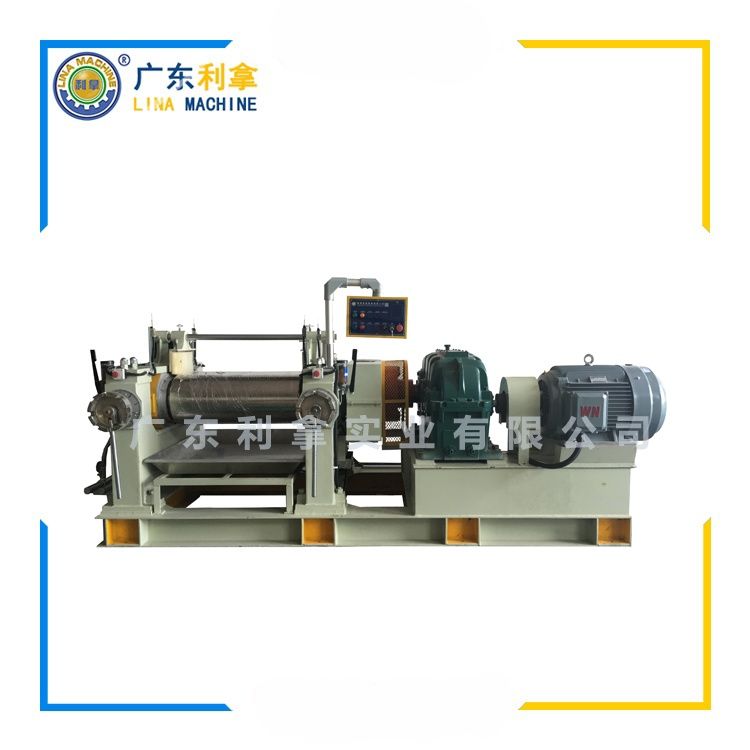
The art of rubber tire extrusion is a fascinating process that has been refined over centuries, transforming raw materials into the robust and reliable tires we rely on every day. At its core, this process involves the use of an open-roller machine, which is a crucial component in the tire-making industry. In this article, we will delve into the intricacies of the open-roller process, exploring its significance in the tire-making industry and the impact it has had on the development of modern vehicles.
At its essence, the open-roller process is a method of mixing and shaping rubber compounds using a roller that is constantly rotating. This process is essential in creating the structural integrity of tires, as it allows for precise control over the thickness and density of the tire's inner and outer layers. By carefully adjusting the temperature and pressure during the extrusion process, manufacturers can achieve optimal results, resulting in tires that are both durable and efficient.
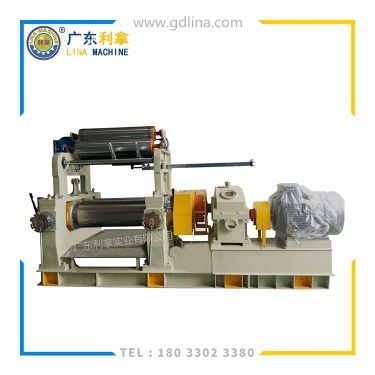
One of the key benefits of the open-roller process is its ability to produce high-quality tires with consistent performance. By controlling the temperature and pressure at every stage of the process, manufacturers can ensure that each tire meets stringent standards of safety and durability. Additionally, the open-roller process allows for the use of various types of rubber compounds, including natural and synthetic materials, which further enhances the overall quality of the tires produced.
Another significant aspect of the open-roller process is its impact on the environment. Compared to other tire-making methods, such as vulcanization or compression molding, the open-roller process produces fewer waste products and requires less energy. This not only reduces environmental pollution but also helps to lower manufacturing costs, making the open-roller process more sustainable and economically viable.
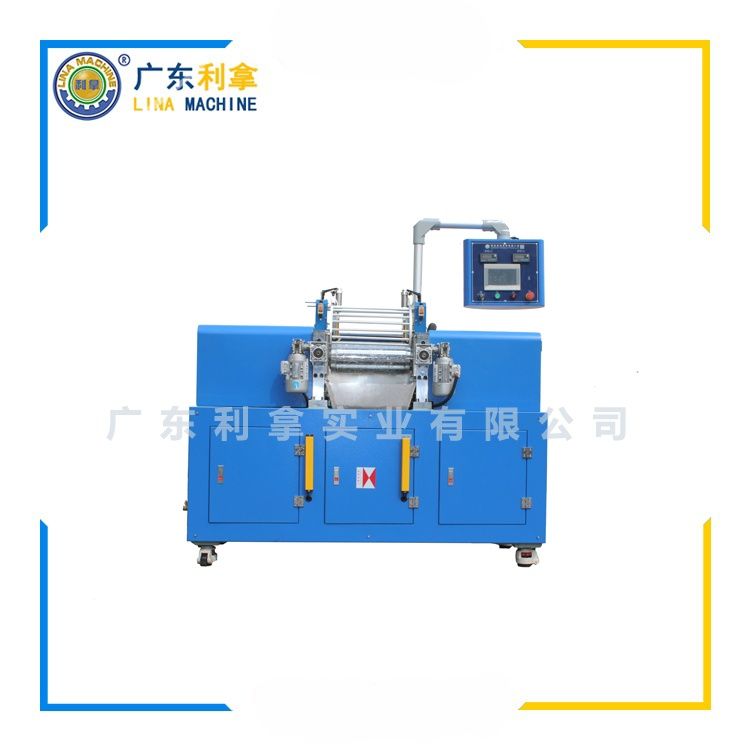
In conclusion, the open-roller process is a critical component of the tire-making industry, providing manufacturers with the tools they need to create high-quality tires that meet the needs of modern vehicles. From its ability to produce consistent results to its environmental benefits, the open-roller process has played a vital role in shaping the future of transportation. As technology continues to advance, we can expect to see even greater advancements in this field, ensuring that our vehicles remain safe, reliable, and efficient for years to come.