




"The EVA, TPR, and PVC Pulping Production Lines: A Comprehensive Guide
In the realm of polymer processing, the production line plays a crucial role in transforming raw materials into finished products. Among the three most common types of plastics, EVA (Ethylene Vinyl Acetate), TPR (Thermoplastic Rubber), and PVC (Polyvinyl Chloride), each has its unique characteristics that make it suitable for specific applications. In this article, we will delve into the details of these three types of plastics' respective production lines, highlighting their key features, advantages, and potential challenges.
EVA Pulping Production Line
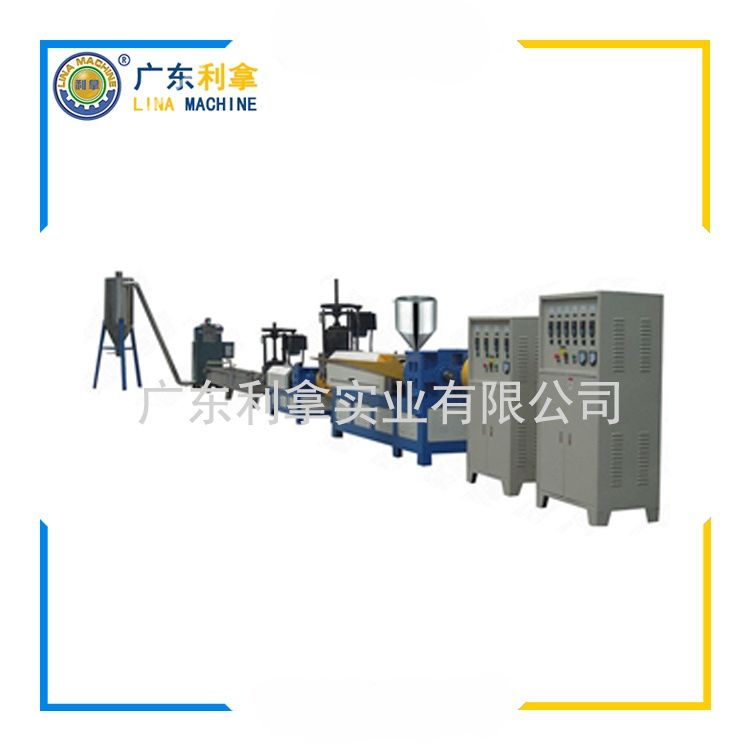
EVA is a versatile thermoplastic elastomer that finds applications in a wide range of industries, including construction, automotive, and packaging. Its production process involves melting ethylene and vinyl acetate together to create a homogeneous mixture. The resulting material is then extruded through a die to form strands, which are subsequently cut into pellets. The EVA pellets produced by the puling production line are characterized by their high flexibility and resistance to weathering, making them ideal for outdoor use. However, the production process requires careful control of temperature and pressure to ensure consistent quality.
TPR Pulping Production Line
TPR, also known as thermoplastic rubber, is a type of thermoplastic elastomer that combines the properties of both plastics and rubber. Its production process involves melting polystyrene and rubber additives such as carbon black and fillers to create a homogeneous mixture. The resulting material is then extruded through a die to form strands, which are subsequently cut into pellets. The TPR pellets produced by the puling production line exhibit excellent elasticity and toughness, making them suitable for applications requiring flexibility and impact resistance. However, the production process requires precise control of temperature and pressure to achieve optimal results.
PVC Pulping Production Line
PVC, or polyvinyl chloride, is a widely used plastic material due to its durability, strength, and ease of recycling. Its production process involves melting PVC resin with various additives such as stabilizers, colorants, and flame retardants. The resulting material is then extruded through a die to form strands, which are subsequently cut into pellets. The PVC pellets produced by the puling production line are characterized by their high strength and chemical resistance, making them ideal for applications in construction, transportation, and industrial equipment. However, the production process requires strict control of temperature and pressure to prevent degradation of the PVC molecules.
In conclusion, the EVA, TPR, and PVC production lines each have their unique features and advantages, making them suitable for different applications. By understanding the key aspects of each production line, manufacturers can optimize their processes and produce high-quality products that meet the needs of their customers.