




The Two-Roll Rolling Press: A Detailed Guide to Its Operation and Applications
The two-roll rolling press is a versatile tool used in the manufacturing industry for shaping metal sheets into various shapes and sizes. This machine is designed to provide consistent pressure and uniformity of thickness during the rolling process, making it an essential tool for metalworking operations. In this article, we will explore the working principle of a two-roll rolling press, its applications, and some tips for maintaining its efficiency and longevity.
Working Principle:
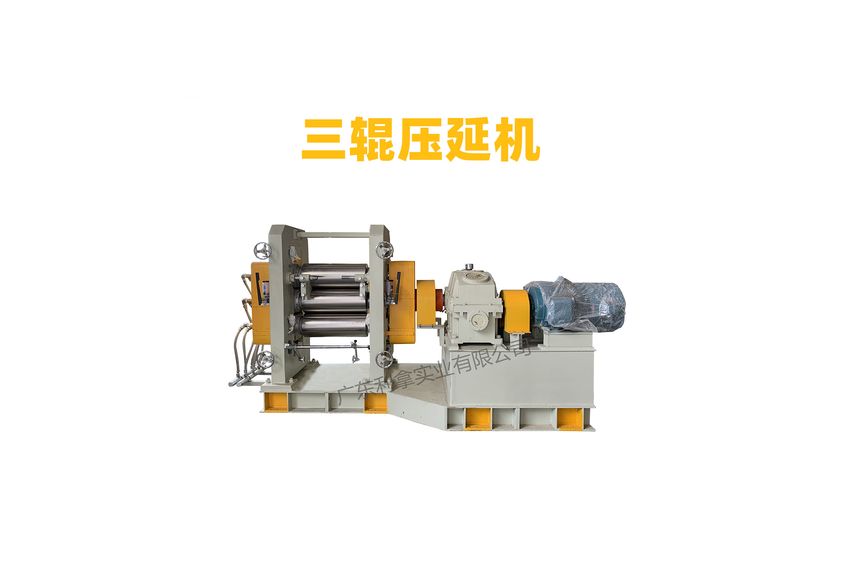
A two-roll rolling press consists of two parallel steel rollers that rotate against each other. The workpiece is placed between the two rollers, which exert pressure on it to deform it into the desired shape. As the rollers move towards each other, they push the material towards the center, causing it to be drawn out and thinned. The pressure applied by the rollers determines the final dimensions of the product.
Applications:
Two-roll rolling presses are widely used in industries such as automotive, aerospace, and construction. They are particularly useful for producing sheet metal components like panels, doors, and roofs. Additionally, they can be used for forming parts with intricate geometries, such as gears and valves.
Tips for Maintaining Efficiency and Longevity:
1. Proper Lubrication: Ensure that the rollers are properly lubricated to prevent wear and tear. Use high-quality grease or oil that matches the material being processed.
2. Regular Maintenance: Perform regular inspections and maintenance on the two-roll rolling press to detect any issues early on. This includes checking the rollers for wear and replacing them if necessary.
3. Proper Grinding: Keep the rollers sharp to ensure even pressure distribution and minimize material waste. Schedule regular grinding sessions to maintain their optimal condition.
4. Correct Setting: Ensure that the rollers are set up correctly for the desired thickness and width of the product. This involves adjusting the tension and pressure settings accordingly.
5. Proper Material Handling: Use appropriate handling techniques to minimize damage to the workpiece during transportation and setup. This includes using protective covers and avoiding direct contact with the rollers.
1. Two-roll rolling press
2. Metalworking operations
3. Applications
4. Maintenance tips
5. Lubrication
6. Grinding
7. Setting adjustment
8. Material handling techniques
9. Thickness control
10. Product quality improvement
This article provides a comprehensive guide to the working principle of a two-roll rolling press, highlighting its applications in various industries. We offer practical tips for maintaining the machine's efficiency and longevity, including proper lubrication, regular maintenance, grinding, setting adjustment, material handling techniques, and more. By following these best practices, you can improve product quality and optimize your production process.