




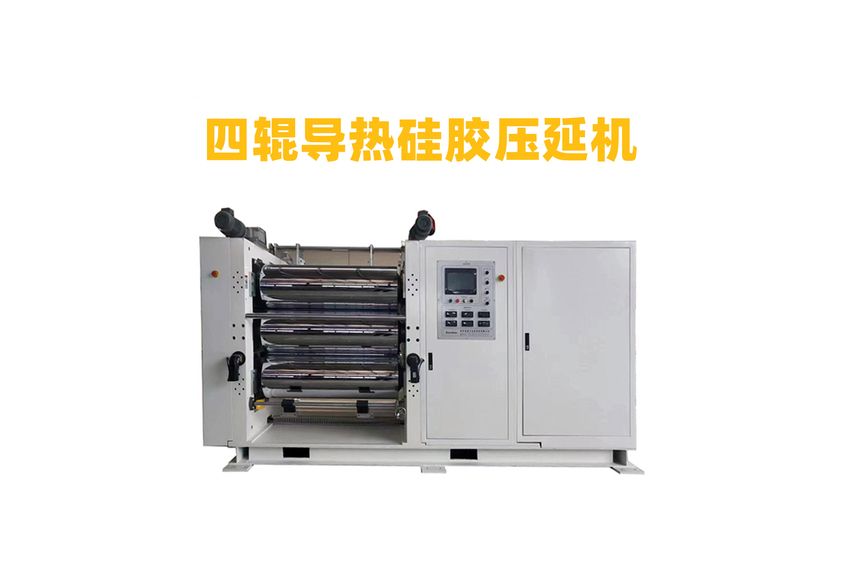
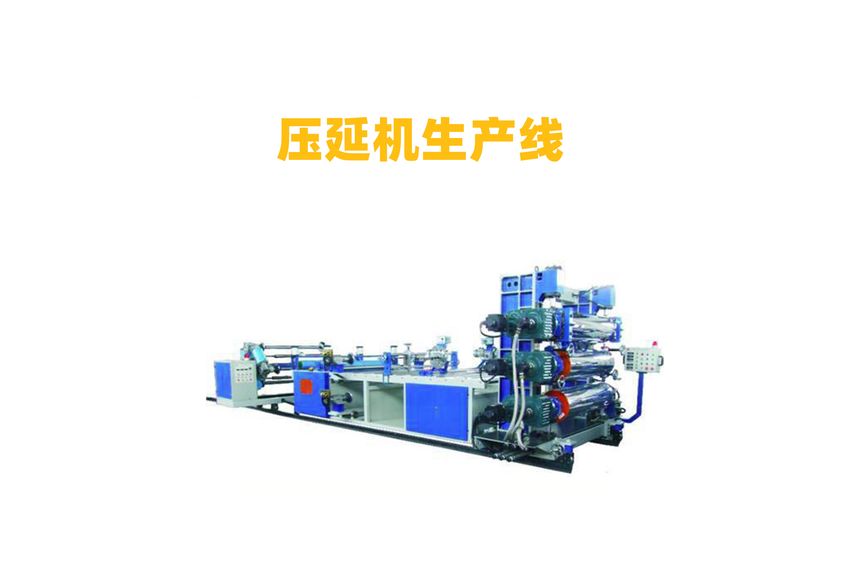
PCM相变化导热硅胶压延机:创新技术在电子制造中的应用
The advent of PCM (Phase Change Material) thermal management technology has revolutionized the electronics industry, providing unprecedented levels of heat dissipation and thermal control. This innovative approach to heat transfer involves the use of a phase-change material that undergoes a reversible change in its physical state from solid to liquid, thereby absorbing and releasing heat. This process is known as phase change material (PCM) thermal conduction, which offers several advantages over traditional methods of heat dissipation.
One of the key benefits of PCM thermal conduction is its ability to provide high thermal conductivity at low temperatures. This makes it ideal for applications where heat needs to be efficiently transferred even during cold weather or when the device is not actively powered. Additionally, PCM thermal conduction offers excellent flexibility in terms of design, allowing for customization of the system's performance based on specific requirements.
Another significant advantage of PCM thermal conduction is its ability to reduce energy consumption. By utilizing the latent heat of fusion, the system can maintain a constant temperature without requiring additional power sources, thus reducing overall energy consumption. This is particularly beneficial in environments where energy costs are high or where sustainability is a priority.
Furthermore, PCM thermal conduction offers improved reliability and durability compared to traditional methods of heat dissipation. The phase-change material used in these systems is designed to withstand extreme temperatures and mechanical stresses, making them suitable for harsh conditions such as high altitudes, extreme temperatures, or harsh chemical environments.
In conclusion, the PCM thermal conduction technology represents a significant advancement in the field of electronics manufacturing. Its ability to provide high thermal conductivity, reduced energy consumption, improved reliability, and enhanced durability make it an ideal choice for various applications. As this technology continues to evolve, we can expect to see even more innovative solutions that will further enhance the performance and efficiency of electronic devices.