

Understanding the Technology of Porcelain Powder Granulation Machines
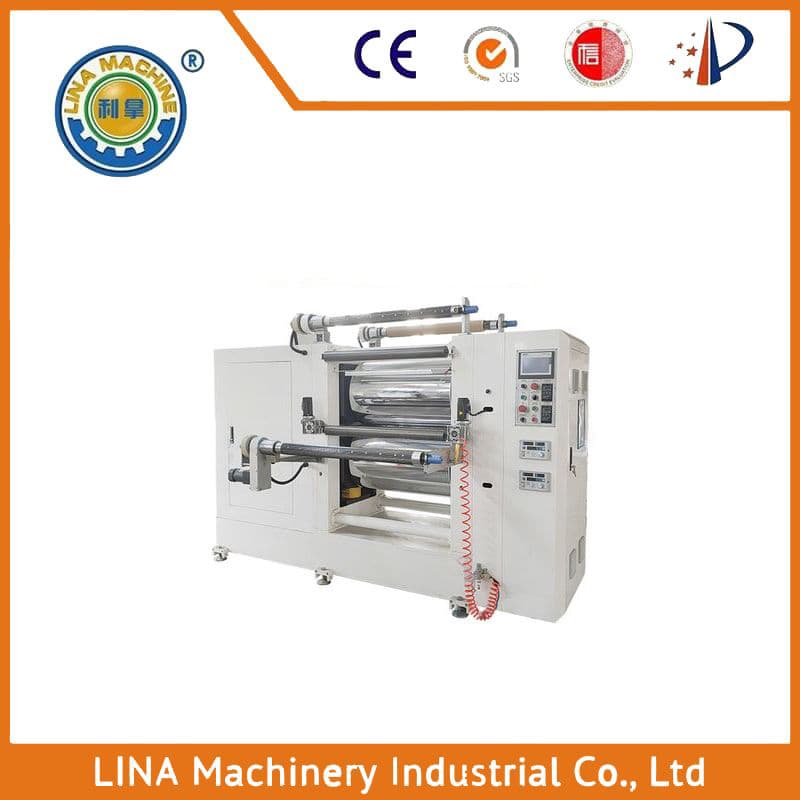
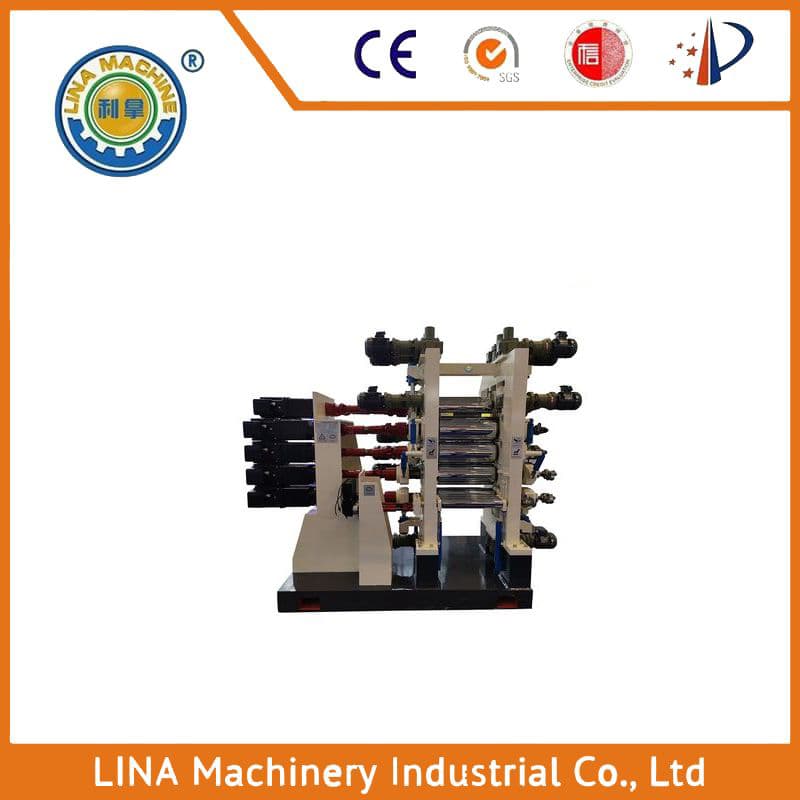
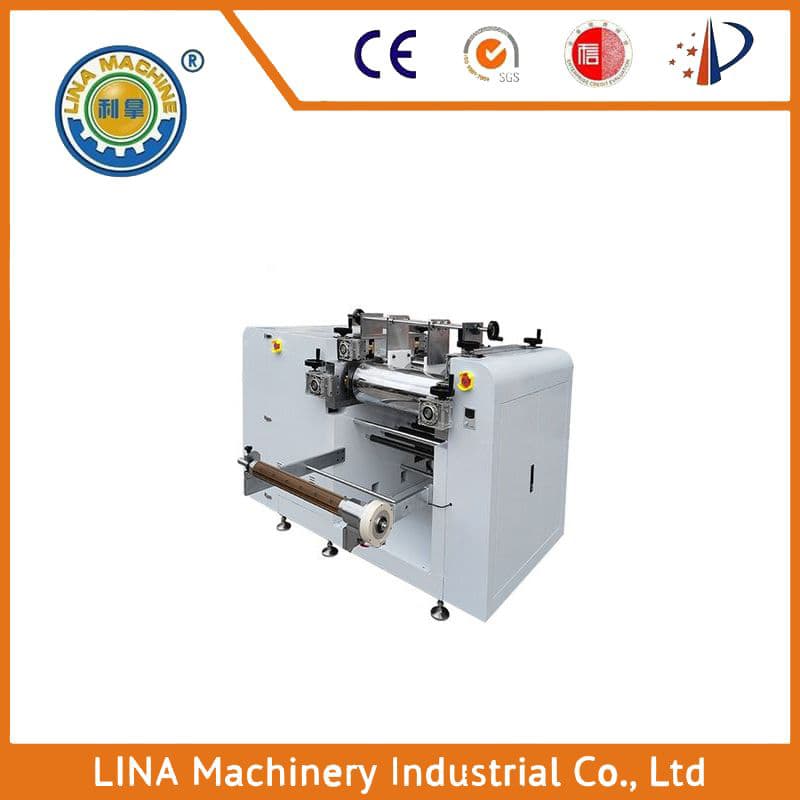
In the world of ceramics, the process of making porcelain requires a delicate balance between raw materials, temperature, and time. One crucial step in this process is the granulation of ceramic powders, which involves converting them into small, uniform particles that can be molded into desired shapes. This task is often performed using a specialized machine called a porcelain powder granulator.
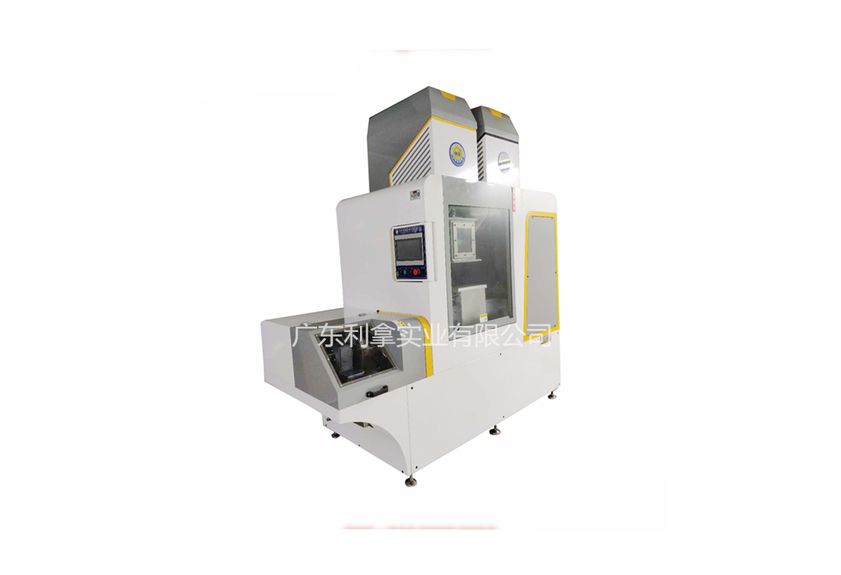
The porcelain powder granulator is a highly sophisticated piece of equipment that uses high-pressure air to break down the ceramic powder into smaller particles. The resulting powder is then collected and stored for future use. The granulator operates by passing the ceramic powder through a series of screens, each with a different size range. As the powder passes through these screens, it is subjected to increasing pressure, causing it to break down into increasingly smaller particles.
One of the key benefits of using a porcelain powder granulator is the ability to produce a consistent and uniform product. With careful control over the granulation process, manufacturers can ensure that their ceramic products meet specific quality standards. Additionally, the granulator can be programmed to operate at different speeds and pressures, allowing for flexibility in meeting the needs of different applications.
Another important aspect of porcelain powder granulation is the environmental impact. While the granulator itself may be made from sustainable materials, the disposal of the resulting ceramic powder can be a concern. Manufacturers must carefully consider how they dispose of this material, ensuring that it does not pose a threat to the environment or harm wildlife.
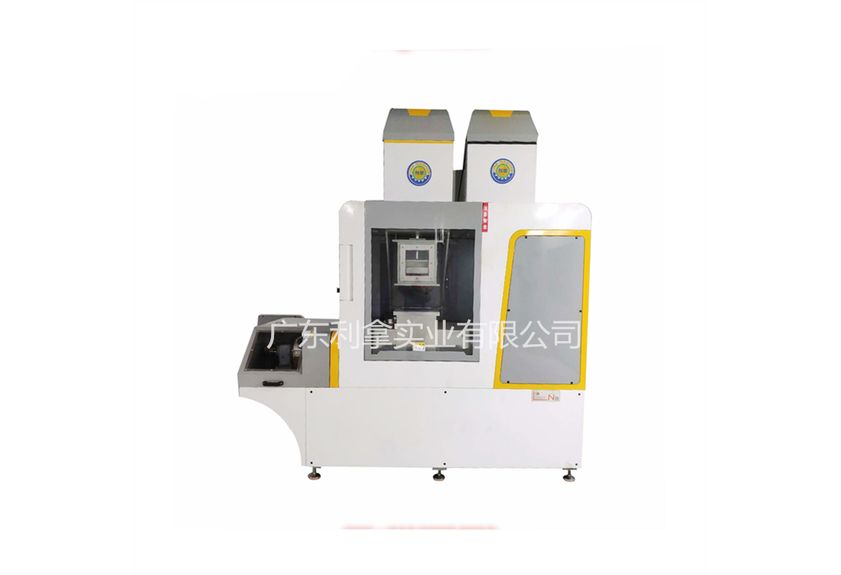
Overall, the technology behind porcelain powder granulation machines is an essential part of the ceramic industry. By leveraging the power of high-pressure air and precise control, manufacturers are able to produce high-quality ceramic products that meet the demands of modern society. As the demand for ceramic goods continues to grow, so too will the importance of these granulation machines in shaping our world.