




The Art of the Pulverizer: A Detailed Look at the Pulverizer Machine
The pulverizer machine, also known as a hammer mill or pugmill, is an essential piece of equipment in the food processing industry. It is used to grind various ingredients such as grains, nuts, seeds, and spices into a fine powder, which can then be mixed with other ingredients for baking, brewing, or making other products. In this article, we will explore the different types of pulverizer machines, their working principles, and some tips for using them effectively.
Types of Pulverizer Machines:
There are several types of pulverizer machines available in the market, each with its unique features and advantages. Here are some of the most common types:
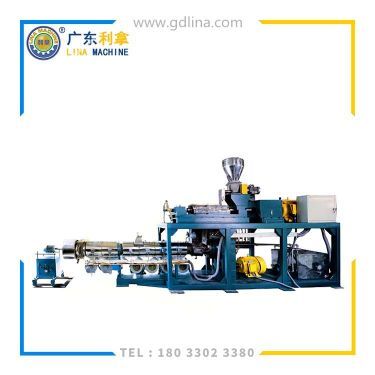
1. Hammer Mill: This is the most common type of pulverizer machine. It consists of a rotating hammer that crushes the material being ground into small pieces. The size of the particles produced depends on the amount of force applied by the hammer.
2. Roller Mill: This type of pulverizer uses rollers to crush the material. The size of the particles produced is controlled by the speed of the rollers.
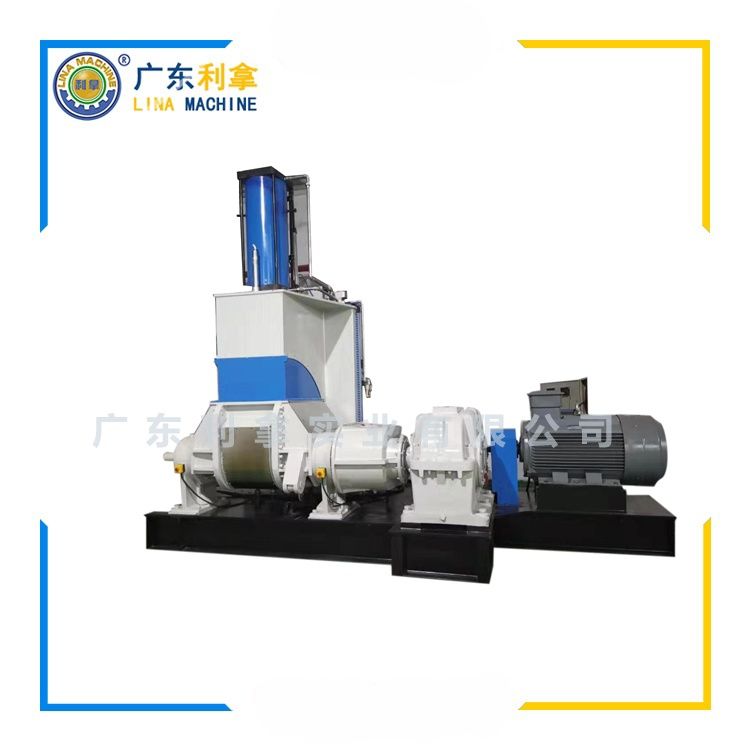
3. Ball Mill: This is another popular type of pulverizer machine. It uses steel balls to crush the material. The size of the particles produced is determined by the number and size of the balls used.
4. Cement Mill: This is a specialized pulverizer machine used for grinding cement. It has a high-speed rotor that crushes the material into small particles.
Working Principle:
The working principle of a pulverizer machine involves crushing the material being ground into small pieces using a rotating hammer, rollers, or balls. The crushed material is then discharged from the bottom of the machine and collected in a hopper. The size of the particles produced depends on the amount of force applied by the hammer, rollers, or balls.
Tips for Using Pulverizer Machines:
1. Choose the right type of pulverizer machine based on your needs. Different types of pulverizer machines are suitable for different materials and applications.
2. Ensure proper maintenance of the pulverizer machine to ensure optimal performance and longevity. Regular cleaning and lubrication are important steps in maintaining the machine.
3. Use the correct feed rate and feeding method to achieve the desired particle size. Overfeeding or underfeeding can affect the quality of the product produced.
4. Consider factors such as noise level, energy consumption, and disposal requirements when selecting a pulverizer machine.
In conclusion, the pulverizer machine is an essential tool in the food processing industry. By understanding its different types, working principles, and tips for using it effectively, you can optimize your production process and achieve the desired results.