




The Role of Extrusion Molding Machines in the Manufacturing Industry
In the manufacturing industry, the use of extrusion molding machines is a crucial process that plays a significant role in the production of various products. These machines are designed to produce wires and cables with high precision and consistency, which are essential for various applications such as electrical power transmission, data communication, and transportation systems.
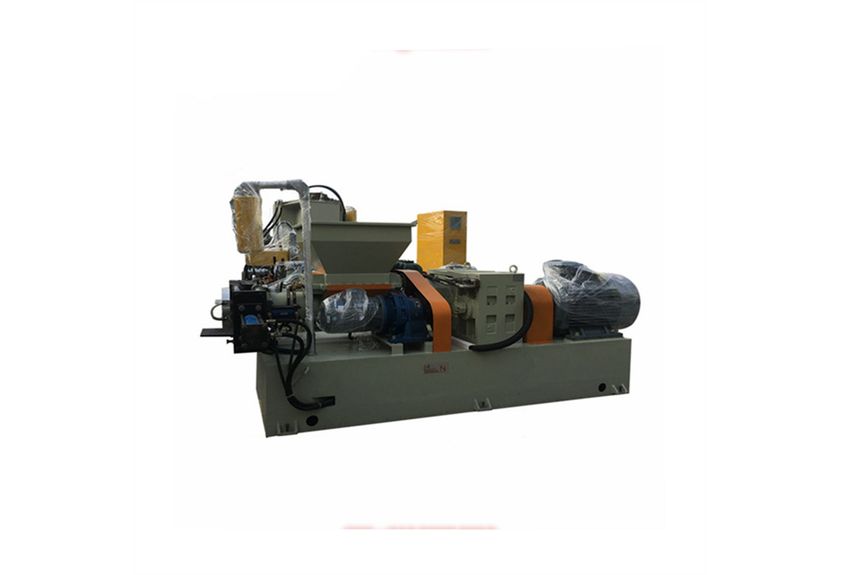
The extrusion molding machine works by using heat and pressure to shape the material into the desired shape. The machine consists of several components, including a hopper, screw, barrel, die, and cooling system. The material is fed into the hopper and then forced through the screw by the rotational motion. As the material moves through the barrel, it is heated and pressed against the die, which creates the desired shape. The formed product is then cooled and solidified before being ejected from the machine.
The quality of the wires and cables produced by these machines depends on several factors, including the design of the mold, the temperature and pressure settings, and the material used. A well-designed mold can create wires and cables with uniform cross-sectional dimensions and smooth surfaces. The temperature and pressure settings must be carefully controlled to ensure that the material is extruded evenly and without any defects. Additionally, the material used should have good electrical conductivity and mechanical strength to meet the required specifications.

In conclusion, extrusion molding machines play an important role in the manufacturing industry by producing wires and cables with high precision and consistency. By understanding the working principles and key factors involved in this process, manufacturers can optimize their operations and improve the overall quality of their products.