

The Role of Hydraulic Flippers in the Processing Industry
The process industry is a complex and dynamic sector that relies heavily on advanced machinery to ensure efficient and cost-effective production. One such machine that has gained significant traction in recent years is the hydraulic flipper, which plays a crucial role in the production process of many materials. In this article, we will explore the various aspects of hydraulic flippers, their advantages, and how they contribute to the overall efficiency of the processing industry.
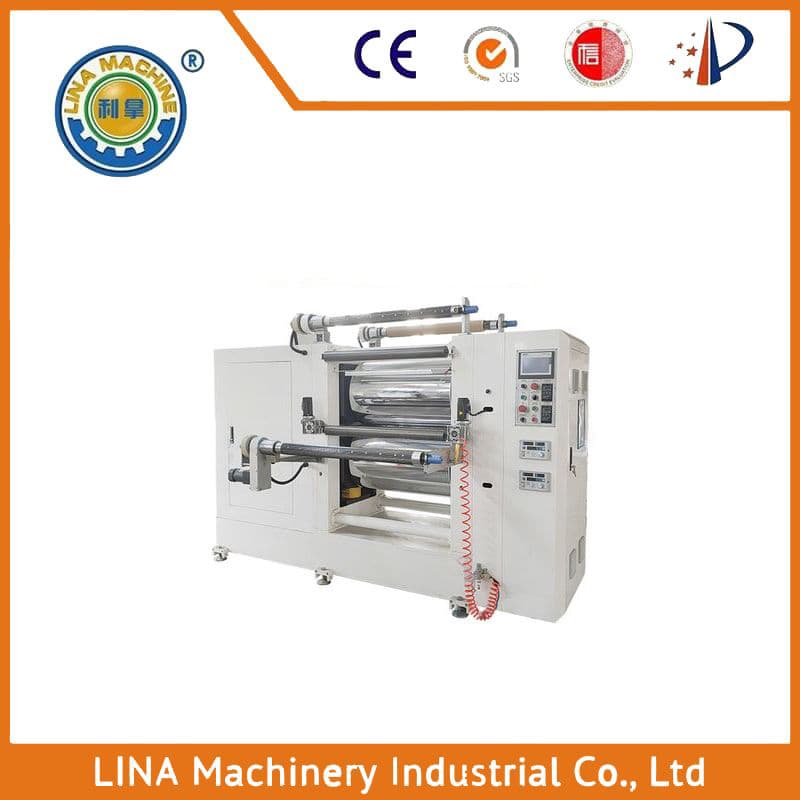
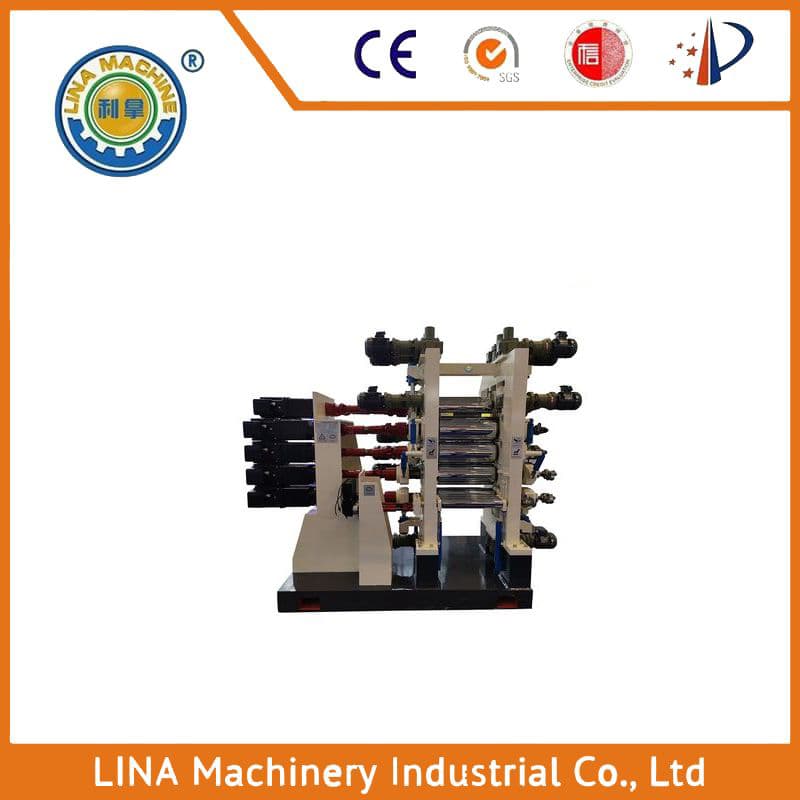
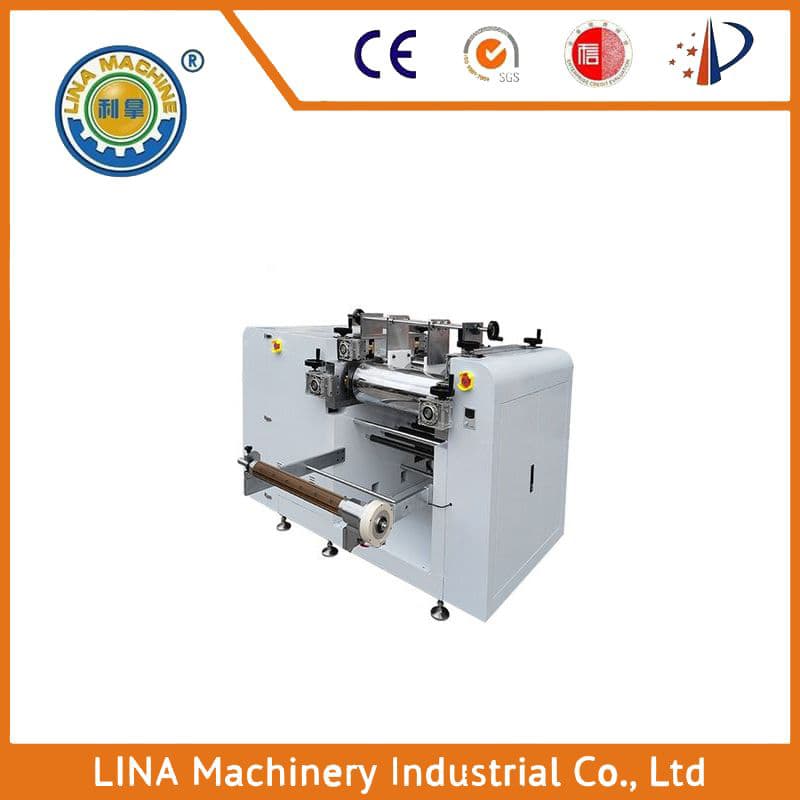
Firstly, let us understand what a hydraulic flipper is. A hydraulic flipper is a specialized piece of equipment that uses hydraulic power to rotate or flip material during the processing stage. This device is designed to handle a wide range of materials, including plastics, metals, and composites, and can be used for a variety of applications, such as mixing, shaping, and compounding.
One of the key advantages of hydraulic flippers is their ability to perform precise movements. Unlike other types of machinery, hydraulic flippers are highly accurate and can achieve rotational speeds and angles that are difficult to replicate with manual labor. This precision is essential for ensuring uniform mixing and processing of materials, which is critical for the quality of the final product.
Another significant advantage of hydraulic flippers is their flexibility. These machines can be customized to suit specific needs, whether it's adjusting the rotational speed, angle, or even the type of material being processed. This adaptability allows for a more streamlined and efficient workflow, reducing downtime and increasing productivity.
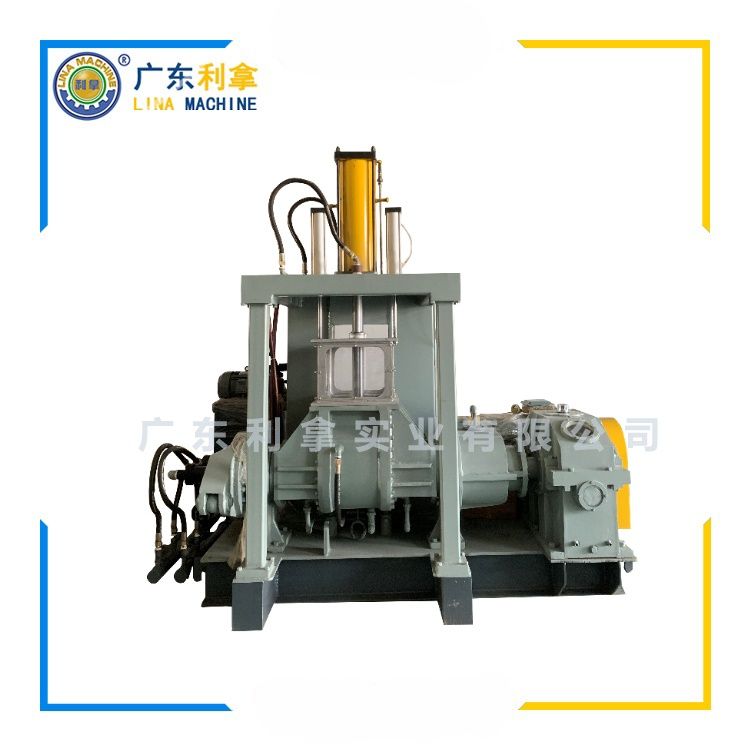
Furthermore, hydraulic flippers are often equipped with advanced features that enhance their performance. For example, some models come with sensors that monitor the temperature and pressure of the fluid, allowing for real-time adjustments to optimize the processing conditions. Additionally, some flippers are equipped with automated controls that allow for remote monitoring and operation, making them ideal for high-volume production lines.
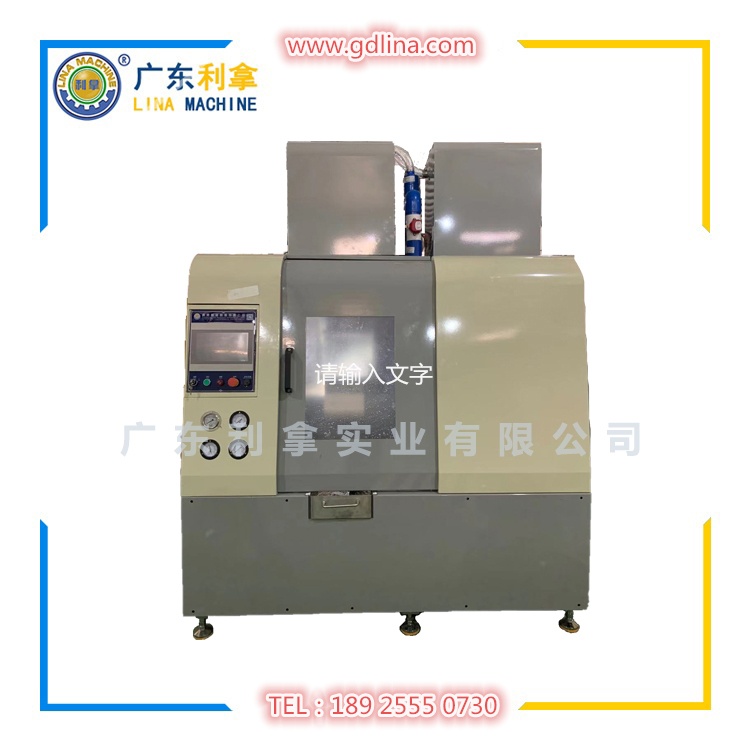
In conclusion, hydraulic flippers are an essential tool in the processing industry, providing precision, flexibility, and efficiency. By leveraging their capabilities, manufacturers can produce high-quality products while minimizing waste and maximizing profitability. As the demand for advanced machinery continues to grow, hydraulic flippers are poised to play a vital role in the future of the processing industry.