




The Art of the Pelletizer: A Comprehensive Guide
The pelletizer is a crucial piece of equipment in the food processing industry, particularly in the production of animal feed. It is an essential tool for converting raw materials into high-quality pellets that are easy to handle and transport. In this article, we will explore the various aspects of the pelletizer, including its design, operation, and benefits.
Design:
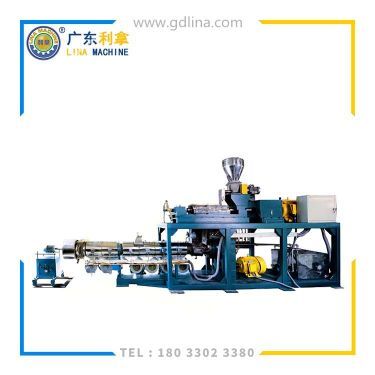
The design of a pelletizer is critical in determining its efficiency and effectiveness. The most common types of pelletizers include rotary drum pelletizers, screw extruders, and hammer mills. Each type has its unique features and advantages, which are tailored to different types of raw materials and end products. For example, rotary drum pelletizers are ideal for producing small-sized pellets, while screw extruders are suitable for larger-sized pellets. Hammer mills are versatile and can produce both small and large pellets.
Operation:
Once the pelletizer is installed, it needs to be properly set up before starting the process. This includes adjusting the speed of the motor, selecting the appropriate raw material, and ensuring that all components are securely connected. The feeding system is crucial in ensuring that the raw material is evenly distributed throughout the pelletizer. Once the raw material is fed into the machine, it undergoes a series of complex physical processes that result in the formation of pellets. These processes include compression, extrusion, and sintering, which help to bind the raw material together and create a strong structure.
Benefits:
Pelletizing raw materials has numerous benefits, including improved storage life, increased nutrient retention, and reduced environmental impact. By converting raw materials into pellets, the moisture content is reduced, making them more stable and resistant to spoilage. Additionally, pelletized feed is easier to store and transport, as it requires less space and is lighter in weight. Furthermore, pelletized feed is more efficient in terms of nutrient retention, as the nutrients are better retained within the pellet structure. Finally, pelletizing raw materials reduces the amount of waste produced during the manufacturing process, which helps to minimize environmental impact.
Conclusion:
In conclusion, the pelletizer is a vital tool in the food processing industry, particularly in the production of animal feed. Its design, operation, and benefits make it an essential component in achieving optimal results. By understanding the various aspects of the pelletizer and its benefits, businesses can optimize their operations and achieve maximum efficiency.