

The Laboratory Rolling Mill: A Revolutionary Tool for Chemical and Materials Science
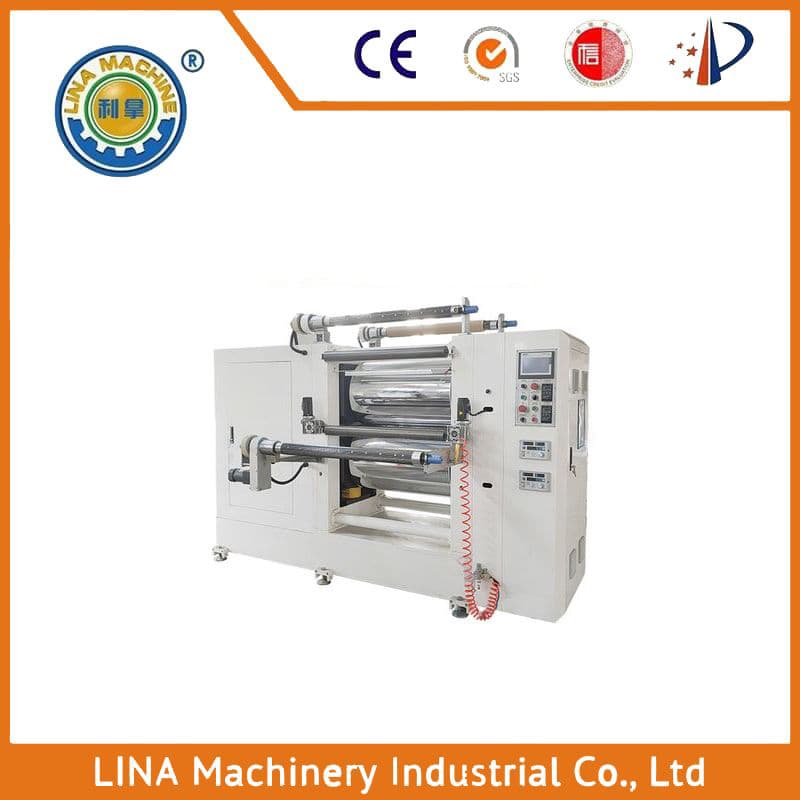
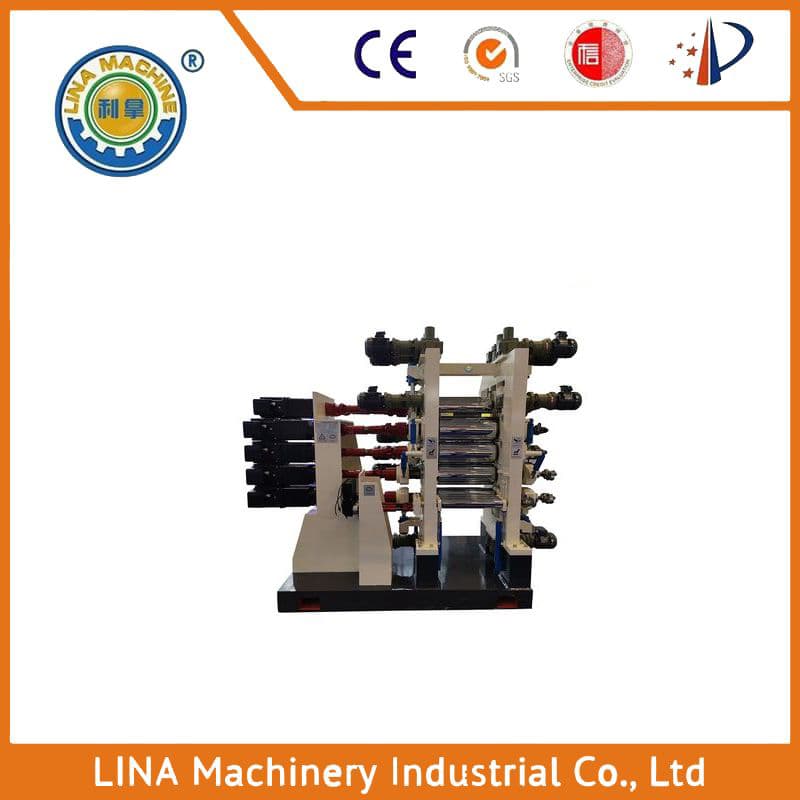
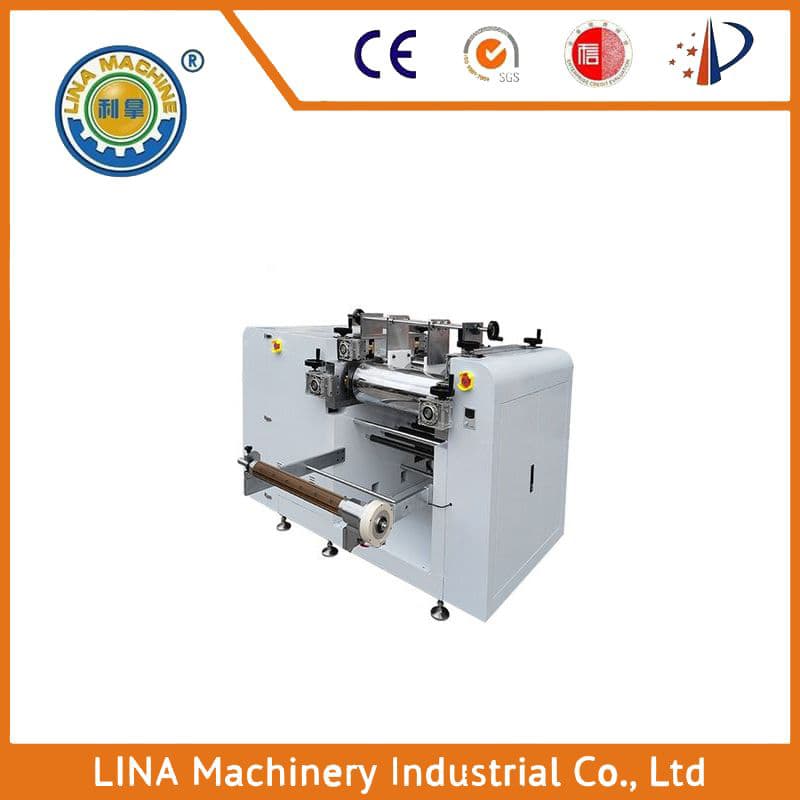
The laboratory rolling mill, also known as a laboratory extruder or a laboratory mixer, is an essential tool in the laboratory environment. It is a versatile piece of equipment that can be used to mix, knead, and extrude a wide range of materials, including polymers, ceramics, metals, and composites. In this article, we will explore the features, applications, and benefits of a laboratory rolling mill, as well as some tips for using it effectively.
Features of a Laboratory Rolling Mill:
1. Versatility: A laboratory rolling mill is designed to handle a wide range of materials, from solids to liquids, and from powders to pastes. It can be used to mix, knead, and extrude various substances, making it a versatile tool for researchers and engineers.
2. High-Speed Mixing: Most laboratory rolling mills come with high-speed mixing capabilities, which enable them to mix materials quickly and efficiently. This is particularly useful for preparing samples for analysis or for producing small quantities of material.
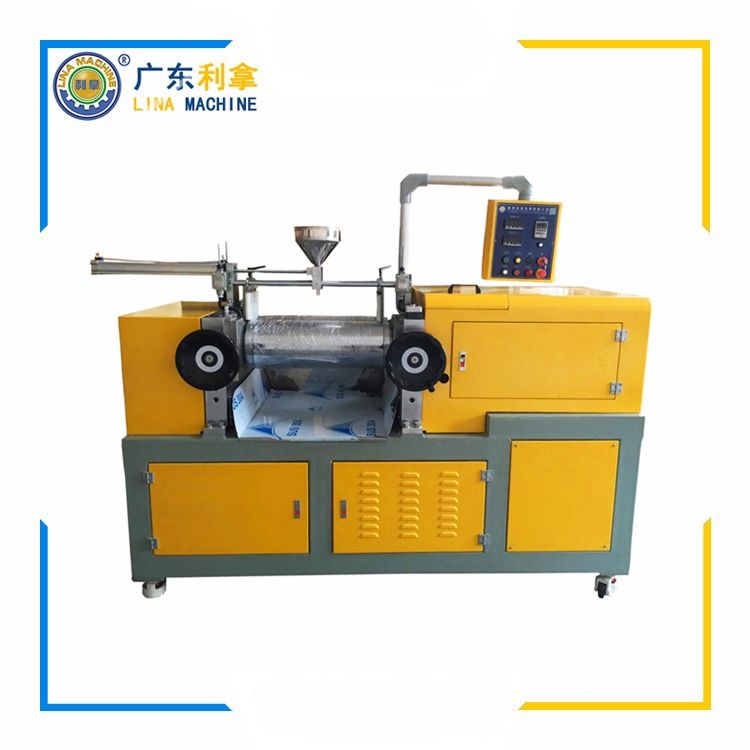
3. Easy to Use: Many laboratory rolling mills are user-friendly, with simple controls and intuitive interfaces. This makes it easy for researchers to operate the machine and adjust the settings to suit their needs.
4. Safety Features: Many modern laboratory rolling mills are equipped with safety features such as overload protection, automatic shut-off, and temperature control. These features help to ensure that the machine is safe to use and prevent accidents.
Applications of a Laboratory Rolling Mill:
1. Polymer Compounding: A laboratory rolling mill is commonly used in polymer compounding, where it can be used to mix different polymers and additives to create new materials with unique properties.
2. Ceramics Extrusion: In the field of ceramics, a laboratory rolling mill is used to extrude ceramic powders into desired shapes. This process is crucial for creating functional ceramic components for various applications.
3. Metal Powder Processing: A laboratory rolling mill can be used to process metal powders by mixing them with binders and other additives to form a homogeneous mixture. This is important for producing metal parts with consistent quality and strength.
4. Composite Materials Production: A laboratory rolling mill can be used to produce composite materials by mixing different types of materials together to create a stronger and more durable structure.
Benefits of a Laboratory Rolling Mill:
1. Cost-Effective: Compared to other mixing equipment, a laboratory rolling mill is often more cost-effective due to its versatility and ease of use. It can be used for a variety of applications and produces high-quality results at a reasonable price.
2. Time-Saving: A laboratory rolling mill can save time by providing quick and efficient mixing capabilities. This is particularly useful for researchers who need to prepare samples quickly for analysis or for producing small quantities of material.
3. Environmentally Friendly: Many laboratory rolling mills are designed to be environmentally friendly, with energy-efficient motors and low emissions. This makes them a good choice for research institutions that prioritize sustainability.
Tips for Using a Laboratory Rolling Mill:
1. Read the User Manual: Before using a laboratory rolling mill, it is important to read the user manual carefully to understand how to operate the machine and set up the desired settings.
2. Follow Proper Hygiene Practices: When handling chemicals or hazardous materials, it is important to follow proper hygiene practices to avoid contamination. Always wear protective gear and dispose of waste properly.
3. Maintain the Machine: To ensure that the laboratory rolling mill operates smoothly and efficiently, it is important to maintain the machine regularly by cleaning it and inspecting for any signs of wear and tear.
In conclusion, the laboratory rolling mill is an essential tool for chemical and materials science researchers. With its versatility, high-speed mixing capabilities, and ease of use, it can be used to mix, knead, and extrude a wide range of materials with great efficiency. By following these tips and best practices, researchers can maximize the benefits of this powerful tool and achieve their research goals faster and more efficiently.