

The Art of Compounding Machines
The compounding machine is a crucial tool in the manufacturing industry, particularly in the production of thermoplastic and thermoset materials. It is a versatile piece of machinery that can be used to mix various ingredients together, creating a homogeneous mixture that is then processed further into finished products. In this article, we will explore the different types of compounding machines, their applications, and some tips for using them effectively.
There are several types of compounding machines available on the market, each with its own unique features and capabilities. Here are three of the most common types:
1. Batch compounders: These machines are designed to process large batches of material at once. They are ideal for companies that need to produce large quantities of plastics or rubber products. Batch compounders typically have a high-speed mixing system that can handle a wide range of ingredients, including powders, liquids, and solids.
2. Flow compounders: These machines are designed to process materials that flow easily, such as polymers and resins. They use a rotating drum to mix the ingredients together, resulting in a uniform and consistent product. Flow compounders are commonly used in the automotive and aerospace industries for producing parts like engine blocks and aircraft components.
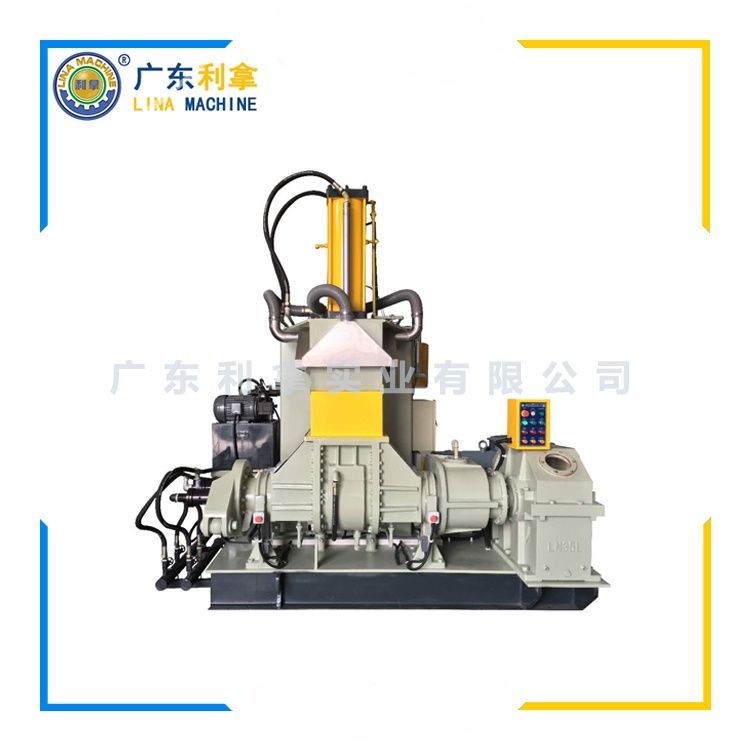
3. Extrusion compounders: These machines are used to extrude thermoplastic materials into thin sheets or profiles. They are ideal for companies that need to produce sheet materials for packaging or electrical wiring. Extrusion compounders typically have a high-speed screw and die assembly that allows for precise control over the thickness and shape of the final product.
When it comes to using compounding machines, there are a few key things to keep in mind. Firstly, it is important to choose the right type of machine for your specific application. Each type of compounder has its own strengths and weaknesses, so it's essential to research and select the one that best suits your needs. Secondly, proper maintenance and cleaning are crucial to ensure that the machine runs smoothly and efficiently. Finally, operators should be trained in the proper techniques for operating the machine and handling the ingredients.
In conclusion, compounding machines are an essential part of the manufacturing industry, allowing for the creation of a wide range of thermoplastic and thermoset materials. By understanding the different types of compounding machines available and following proper maintenance procedures, companies can achieve maximum efficiency and productivity.