




The Art of Particle Formation in Ceramic Powder Making Machines
Ceramic powder making machines play a crucial role in the production of ceramic materials. These machines are designed to process raw materials into fine, uniformly sized particles that can be used in various applications such as electronics, construction, and automotive industries. In this article, we will explore the different types of ceramic powder making machines, their working principles, and how they contribute to the overall ceramic industry.
One of the most common types of ceramic powder making machines is the ball mill. This machine uses grinding media to break down the raw material into smaller particles. The size of the particles produced depends on the rotational speed of the grinding media and the amount of time spent grinding. Ball mills are commonly used for producing ceramic powders with specific particle sizes, which are then used in the subsequent steps of the production process.
Another popular type of ceramic powder making machine is the planetary ball mill. This machine has a rotating drum that rotates around a stationary axis. The grinding media is arranged inside the drum and rotates along with it. The resulting motion causes the grinding media to grind the raw material into smaller particles. Planetary ball mills are ideal for producing ceramic powders with a wide range of particle sizes, which can be used in various applications.
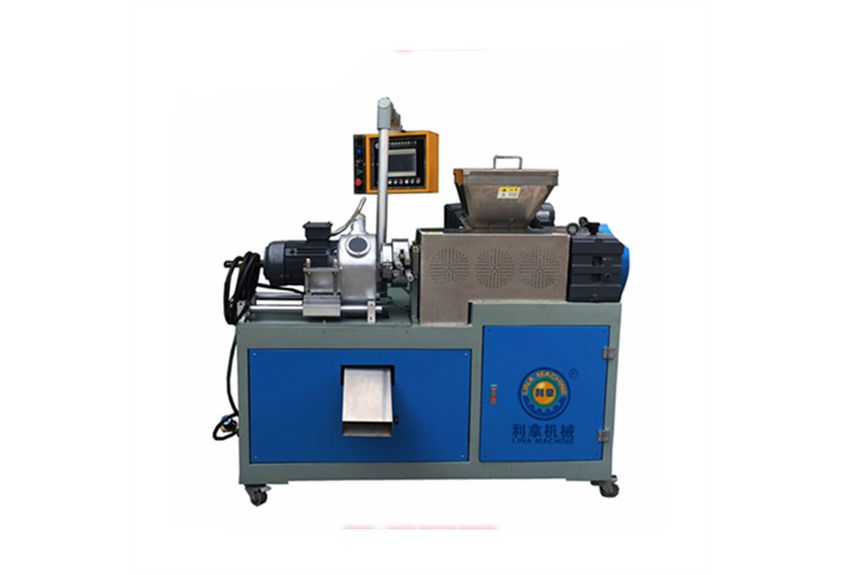
In addition to ball mills and planetary ball mills, other types of ceramic powder making machines include hammer mills, rod mills, and fluidized bed mills. Each of these machines has its own unique advantages and disadvantages, depending on the specific requirements of the ceramic industry. For example, hammer mills are efficient at producing high-energy ceramic powders, while rod mills are better suited for producing low-energy ceramic powders. Fluidized bed mills are particularly useful for producing ceramic powders with a high level of purity and homogeneity.
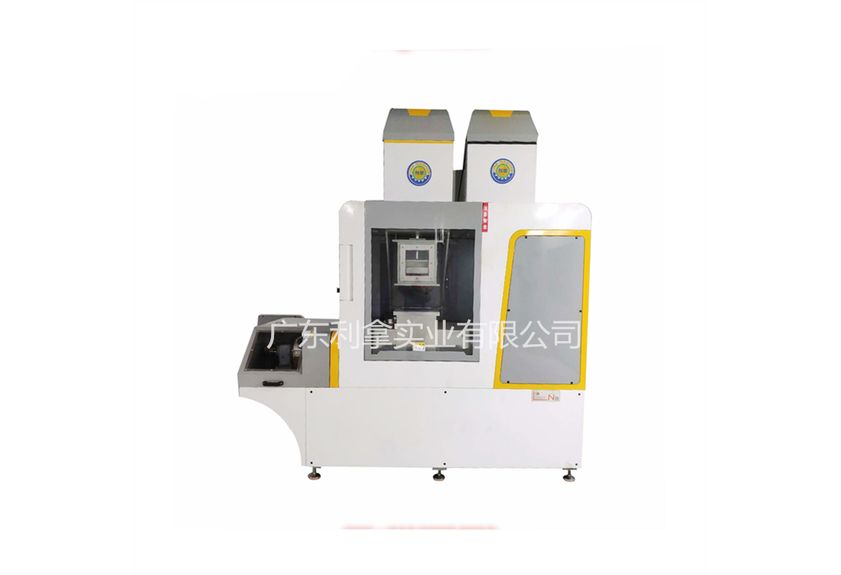
The working principle of each type of ceramic powder making machine is based on the principle of mechanical energy conversion. The raw material is fed into the machine, where it is subjected to intense collisions between the grinding media and the raw material. This results in the breaking down of the raw material into smaller particles, which are then collected and processed further.
In conclusion, ceramic powder making machines play a vital role in the production of ceramic materials. They are designed to process raw materials into fine, uniformly sized particles that can be used in various applications. Different types of ceramic powder making machines have their own unique advantages and disadvantages, depending on the specific requirements of the ceramic industry. By understanding the working principles and capabilities of each type of machine, manufacturers can optimize their production processes and meet the demands of the ceramic industry.