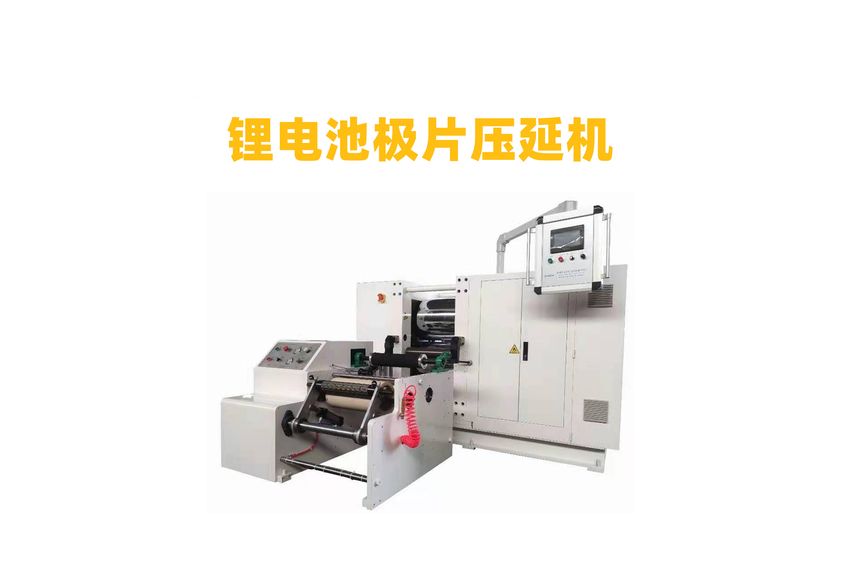



The Development and Application of Hydrogen Fuel Cell Bipolar Plate Rolling Machine Line
The hydrogen fuel cell (HFC) is a promising energy technology that converts hydrogen into electricity through electrochemical reactions. The bipolar plate, which is the main component of the HFC stack, plays a crucial role in ensuring efficient and stable performance of the system. In recent years, the development of the HFC industry has been accelerated due to its environmental benefits and potential for large-scale applications. One of the key technologies in the production process of HFC bipolar plates is the rolling machine line. This article will discuss the development of the HFC bipolar plate rolling machine line and its application in the HFC industry.
The development of the HFC bipolar plate rolling machine line has been driven by the increasing demand for high-performance HFC systems. As the size of the HFC stack increases, the weight and cost of the bipolar plates also need to be reduced. To achieve this goal, researchers have developed various rolling machine lines with different features and capabilities. For example, some machines use advanced control systems to optimize the rolling process, while others incorporate advanced materials and manufacturing techniques to improve the mechanical properties of the bipolar plates.
The development of the HFC bipolar plate rolling machine line has also benefited from advances in automation and robotics technology. With the help of these technologies, the production process can be more efficient and accurate, reducing the risk of errors and improving product quality. Additionally, the integration of sensors and other monitoring devices can provide real-time data on the rolling process, allowing operators to make timely adjustments to optimize the production efficiency and reduce costs.
In terms of application, the HFC bipolar plate rolling machine line has been widely used in various industries, including transportation, power generation, and industrial processes. For example, in the transportation sector, HFC systems are being used in electric vehicles and ships to reduce emissions and improve fuel efficiency. In power generation, HFC systems are being used in wind turbines and solar panels to generate clean energy. In industrial processes, HFC systems are being used in refining and chemical production to improve efficiency and reduce costs.
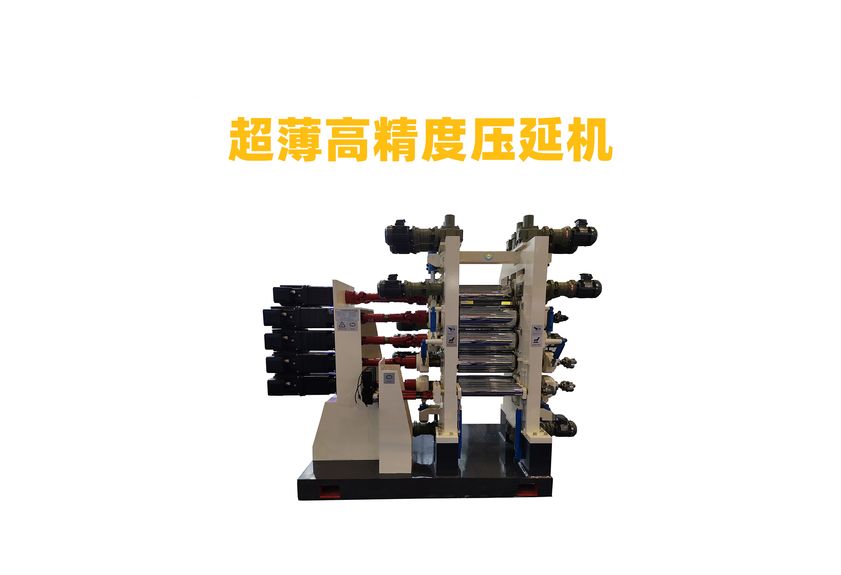
Overall, the development of the HFC bipolar plate rolling machine line has played a significant role in promoting the growth of the HFC industry. With continued research and innovation, we can expect to see even more advanced and efficient HFC systems in the future.