




The EVA, TPR, and PVC Plastic Production Line
The plastic production industry is a crucial sector in the global economy, providing a wide range of products that are essential for daily life. Among these, EVA (Ethylene Vinyl Acetate), TPR (Thermoplastic Rubber), and PVC (Polyvinyl Chloride) are three types of plastics that have become increasingly popular due to their unique properties. In this article, we will explore the EVA, TPR, and PVC plastic production line and its significance in the industry.
Firstly, let us understand what EVA is. EVA stands for Ethylene Vinyl Acetate, which is a type of thermoplastic elastomer. It is a versatile material that can be molded into various shapes and sizes, making it ideal for applications such as packaging, automotive parts, and electrical insulation. The production process for EVA involves melting ethylene and vinyl acetate together in a reactor, then cooling and solidifying the mixture into a sheet or film form. This process requires precise control over temperature and pressure to ensure the quality of the final product.
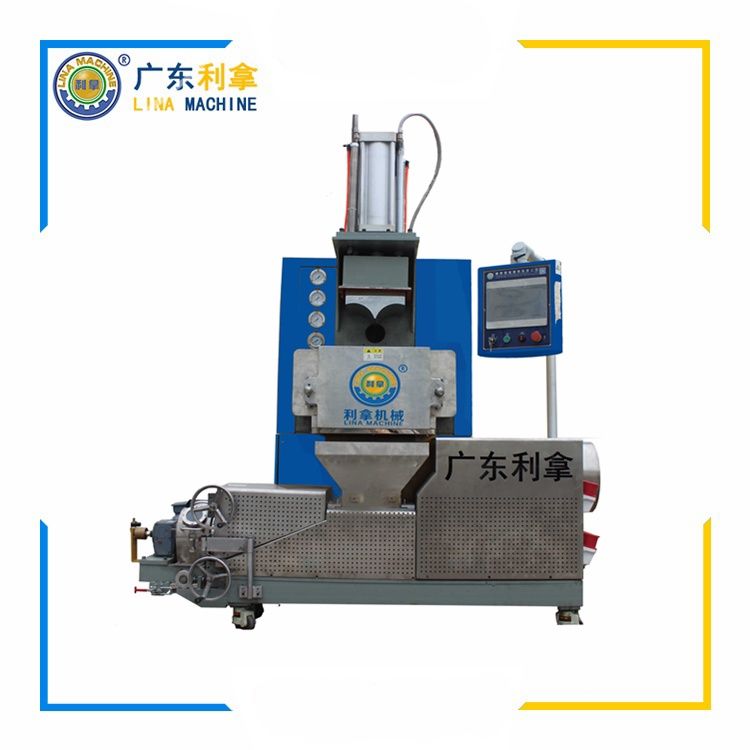
Moving on to TPR, this is a type of thermoplastic rubber that has been used in many industries for its high strength, durability, and resistance to chemicals. TPR is made by combining polystyrene with natural or synthetic rubber, resulting in a material that combines the flexibility of rubber with the strength of plastic. The production process for TPR involves extruding the mixture through a die, then cooling and solidifying it into a sheet or film form. This process also requires precise control over temperature and pressure to ensure the quality of the final product.
Finally, let us discuss PVC, which stands for Polyvinyl Chloride. This is a type of thermoplastic polymer that is widely used in construction materials, packaging, and other applications. PVC is characterized by its flexibility, durability, and resistance to UV radiation, making it an ideal choice for outdoor use. The production process for PVC involves melting polyvinyl chloride in a reactor, then cooling and solidifying it into a sheet or film form. This process requires careful monitoring of temperature and pressure to ensure the quality of the final product.
In conclusion, the EVA, TPR, and PVC plastic production lines play a significant role in the plastic industry. Each of these materials has unique properties that make them suitable for specific applications, and their production processes require precise control over temperature and pressure to ensure the quality of the final product. As the demand for plastic products continues to grow, these production lines will continue to play an important role in meeting the needs of consumers around the world.