

The Role of High-Temperature Material Granulators in the Manufacturing Industry
In the manufacturing industry, high-temperature materials are often processed through granulation techniques to improve their physical properties and ensure uniformity. One such machine is the high-temperature material granulator, which plays a crucial role in this process. This article will discuss the various functions and benefits of high-temperature material granulator machines, as well as their applications in different industries.
Firstly, let's understand what a high-temperature material granulator is. It is a specialized equipment designed to process materials that have a melting point above 100°C. These materials can include plastics, metals, ceramics, and other engineering materials. The granulator works by rapidly heating the material to its melting point or higher temperature, then rapidly quenching it to solidify the material into small particles. This process helps to improve the material's flowability, moldability, and strength, making it easier to process and shape.
One of the main advantages of high-temperature material granulator machines is their ability to process a wide range of materials. Unlike traditional granulator machines, these machines can handle materials with melting points above 200°C, making them ideal for processing high-temperature polymers, metals, and ceramics. Additionally, they can produce granulated materials with a wide range of sizes and shapes, which can be used in various applications such as injection molding, extrusion, and powder coating.
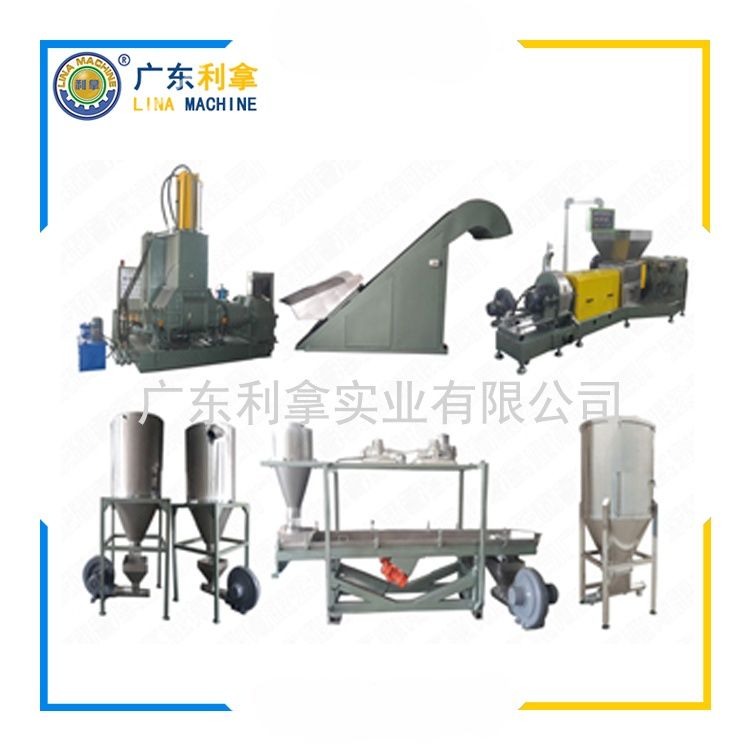
Another benefit of high-temperature material granulator machines is their ability to process large volumes of material quickly and efficiently. These machines are typically equipped with advanced control systems that allow for precise temperature and time settings, ensuring that the granulated material meets the desired quality and consistency. This makes them ideal for industrial-scale production where high-volume, high-quality granulated materials are required.
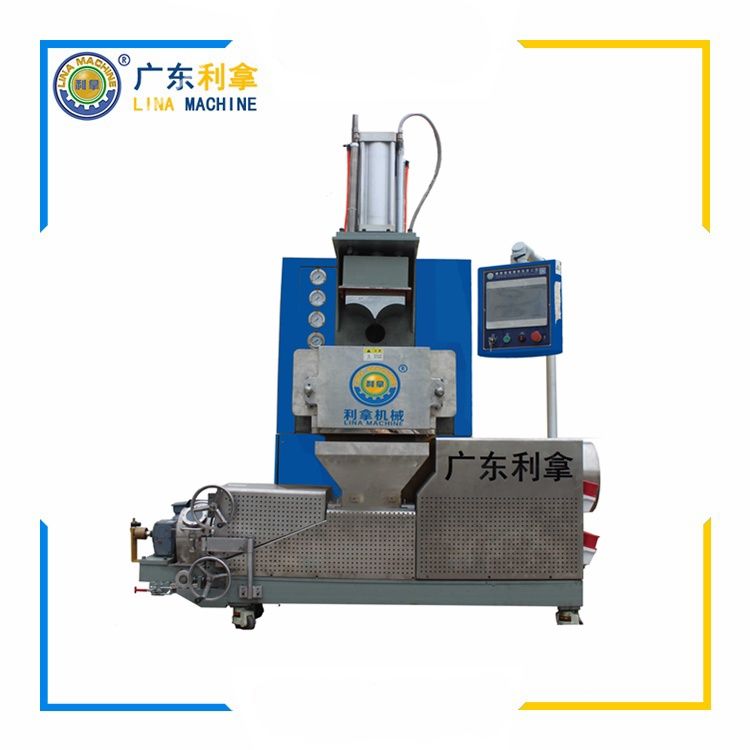
In addition to their technical advantages, high-temperature material granulator machines also have a significant impact on the environment. By reducing the need for manual labor and minimizing waste, these machines can help reduce energy consumption and greenhouse gas emissions. They also offer greater flexibility in terms of material handling and transportation, making it easier to transport granulated materials from one location to another.
Finally, high-temperature material granulator machines have a wide range of applications in various industries. In the automotive industry, they are used to produce parts such as engine blocks, gears, and suspension components. In the electronics industry, they are used to produce circuit boards, connectors, and other electrical components. In the pharmaceutical industry, they are used to produce tablets, capsules, and other dosage forms.
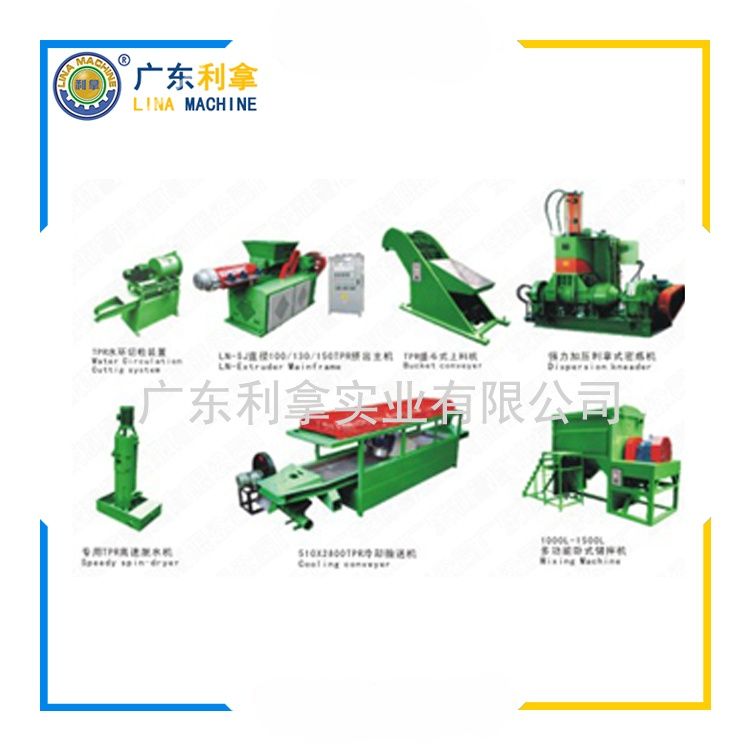
In conclusion, high-temperature material granulator machines play an essential role in the manufacturing industry by processing a wide range of materials with improved physical properties. Their ability to process large volumes of material quickly and efficiently, as well as their environmental benefits, make them an attractive option for industrial-scale production. As technology continues to advance, we can expect to see even more innovative and efficient granulator machines in the future, further revolutionizing the manufacturing industry.