

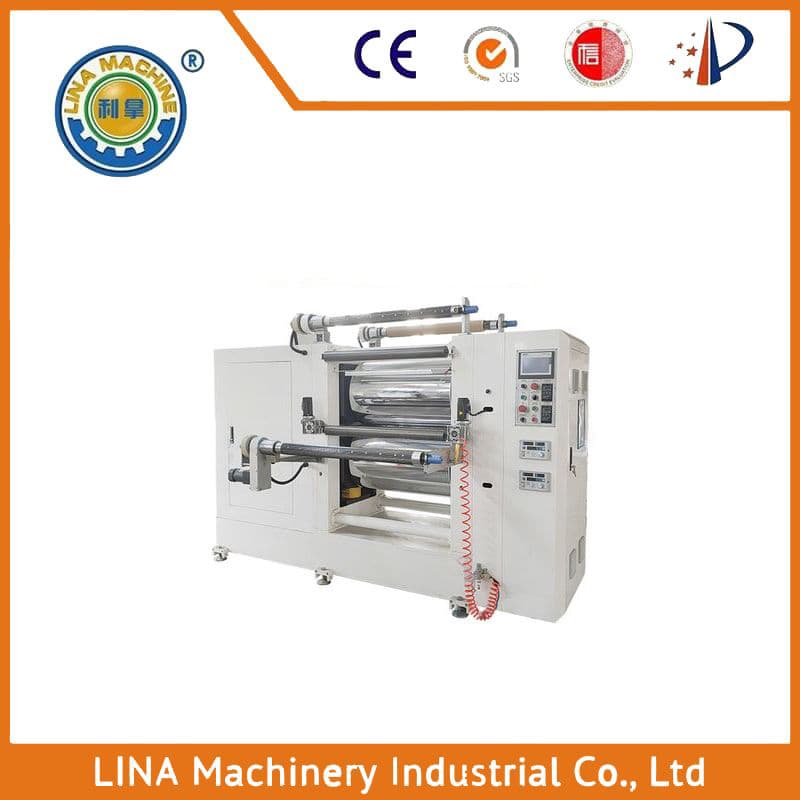
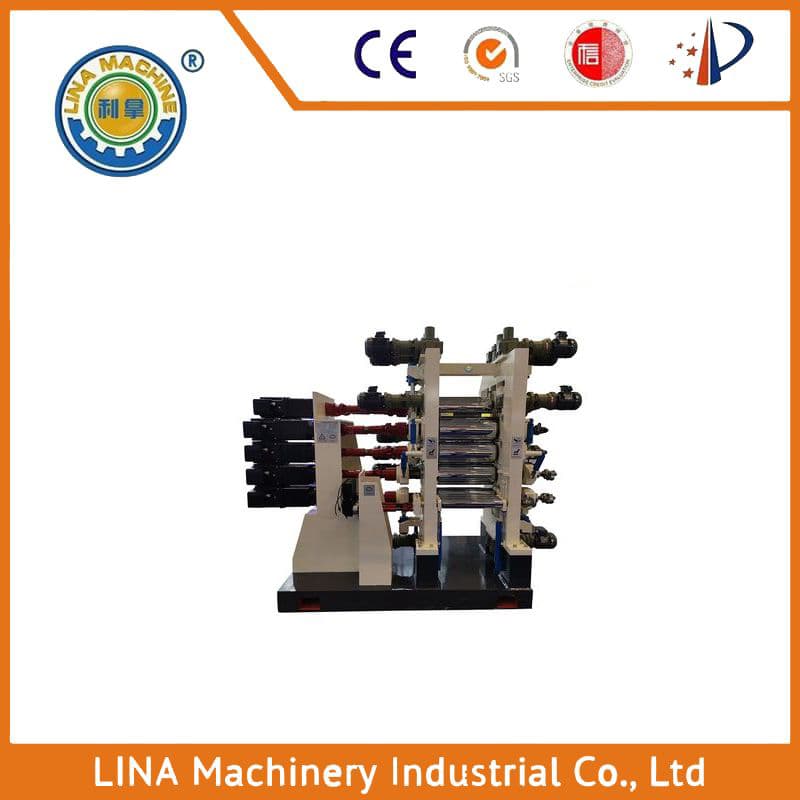
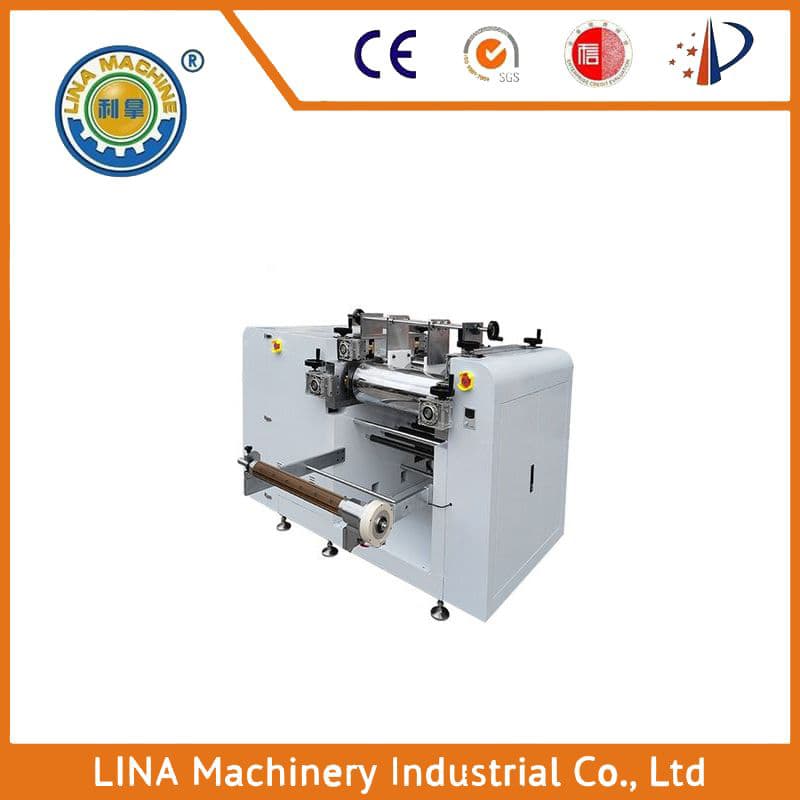
Experimental Open Roller Mills: A Revolution in Rubber Technology
The development of experimental open roll mills has been a significant milestone in the field of rubber technology. These innovative machines have revolutionized the way we process and manufacture natural and synthetic rubber compounds, leading to improved quality, efficiency, and sustainability. In this article, we will explore the key features, applications, and benefits of these experimental open roll mills.
Key Features of Experimental Open Roll Mills:
1. High-Speed Rotation: The primary characteristic of an open roll mill is its high-speed rotation, which allows for efficient mixing of ingredients and rapid heat transfer. This feature ensures that the rubber compound is processed quickly and uniformly, resulting in better quality products.

2. Advanced Mixing Technology: Experimental open roll mills use advanced mixing technology, including rotary drums, screws, and blades, to achieve optimal blending of ingredients. This technology ensures that the rubber compound is evenly mixed, with no lumps or impurities.
3. Variable Speed Control: Many experimental open roll mills come with variable speed control, allowing operators to adjust the speed based on the desired consistency of the rubber compound. This feature enables precise control over the mixing process, ensuring consistent quality every time.
4. Robust Construction: Experimental open roll mills are designed with robust construction materials, such as steel and aluminum alloys, to withstand high temperatures and pressures during processing. This durability ensures long-term reliability and minimizes downtime.
Applications of Experimental Open Roll Mills:
1. Manufacturing of Natural Rubber Compounds: Experimental open roll mills are widely used in the manufacturing of natural rubber compounds, such as vulcanized latex and vulcanized natural rubber. These compounds are essential for various industrial applications, including tires, hoses, and seals.
2. Production of Synthetic Rubber Compounds: Experimental open roll mills are also used in the production of synthetic rubber compounds, such as polyurethane and silicone. These compounds are widely used in various industries, including automotive, electronics, and sports equipment.
Benefits of Experimental Open Roll Mills:
1. Improved Quality: Experimental open roll mills produce rubber compounds with superior quality, including reduced impurities and higher yields. This results in cost savings and increased product reliability.
2. Efficiency: These machines are highly efficient, processing large batches of rubber compounds quickly and efficiently. This reduces labor costs and minimizes downtime.
3. Sustainability: Experimental open roll mills use renewable energy sources, such as solar power, to power the machines. This reduces environmental impact and promotes sustainable manufacturing practices.
1. Experimental Open Roll Mills
2. Rubber Technology
3. High-Speed Rotation
4. Advanced Mixing Technology
5. Variable Speed Control
6. Robust Construction
7. Natural Rubber Compounds
8. Synthetic Rubber Compounds
9. Quality
10. Efficiency
11. Sustainability
Experimental open roll mills are revolutionary tools in the world of rubber technology, offering unparalleled performance and efficiency. These innovative machines combine high-speed rotation, advanced mixing technology, and variable speed control to produce superior quality rubber compounds. Whether you're manufacturing natural rubber compounds or synthetic rubber compounds, experimental open roll mills are your go-to solution for consistent results and cost savings. With their robust construction and sustainable energy sources, these machines are not only reliable but also environmentally friendly. So why wait? Invest in experimental open roll mills today and take your rubber manufacturing to the next level!