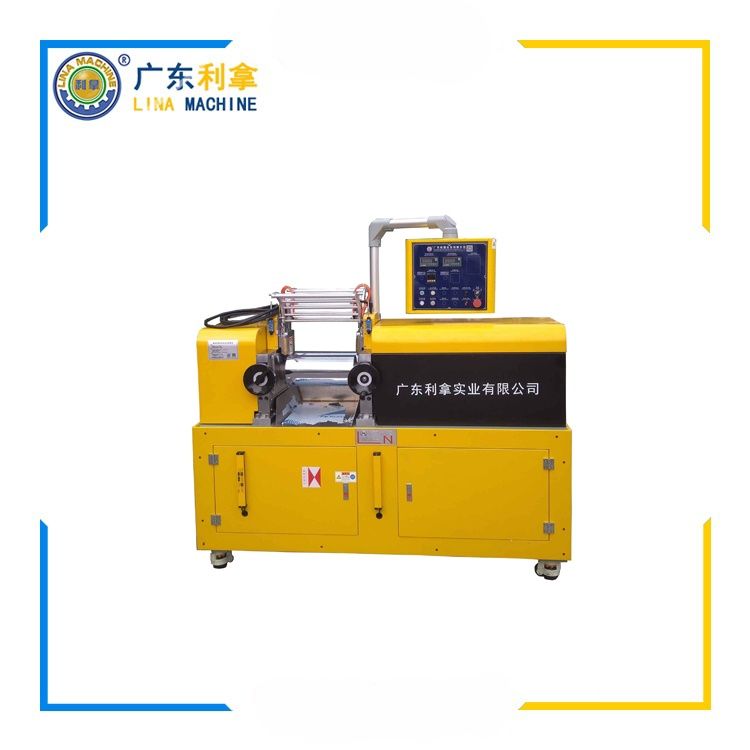



The Double Roll Mill - An Overview of a Key Equipment in Rubber and Plastics Processing
The double roll mill is an essential piece of equipment in the rubber and plastics processing industry. It is used to mix, knead, and extrude materials such as vulcanized rubber, thermoplastics, and elastomers. This process is crucial for creating homogeneous mixtures that are suitable for various applications. In this article, we will explore the basic principles of operation, advantages, and limitations of the double roll mill.
The double roll mill consists of two rotating rollers that come into contact with each other to mix the material. The rollers are usually made of steel or aluminum alloy, and they have a smooth surface to prevent scratching the material during the mixing process. The rollers rotate at high speeds (typically between 1000 and 3000 revolutions per minute) to ensure efficient mixing.
One of the main advantages of using a double roll mill is its ability to produce uniform and consistent products. The rollers move in a circular motion, which helps to evenly distribute the material throughout the mill. This results in a product with a consistent physical and chemical properties, which is important for many applications. Additionally, the double roll mill can handle a wide range of materials, including different types of rubber and plastics, making it versatile for a variety of industries.
However, there are also some limitations to using a double roll mill. One concern is the potential for overheating of the material during the mixing process. If the rollers heat up too much, it can cause the material to degrade or lose its properties. To address this issue, manufacturers often incorporate cooling systems into the design of the mill to maintain optimal operating conditions.
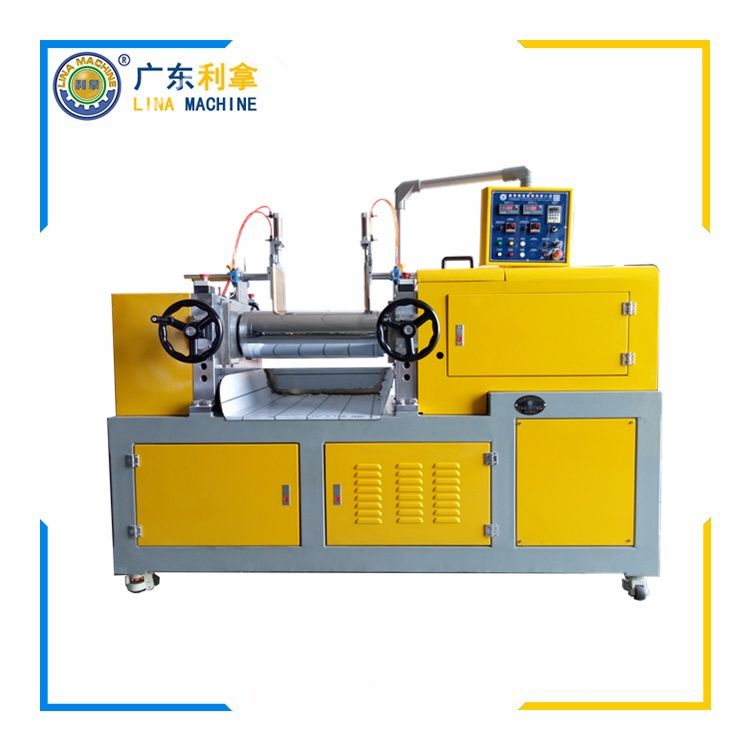
Another limitation is the size of the mill required to handle large amounts of material. Larger mills may require more space and power to operate efficiently. Additionally, the cost of purchasing and maintaining a large mill can be significant, which may limit its adoption in certain industries.
In conclusion, the double roll mill is a critical piece of equipment in the rubber and plastics processing industry. Its ability to produce uniform and consistent products makes it an essential tool for many applications. While there are some limitations to its use, these can be addressed through proper maintenance and design modifications. As technology continues to advance, we can expect to see further improvements in the efficiency and capabilities of this valuable machine.