

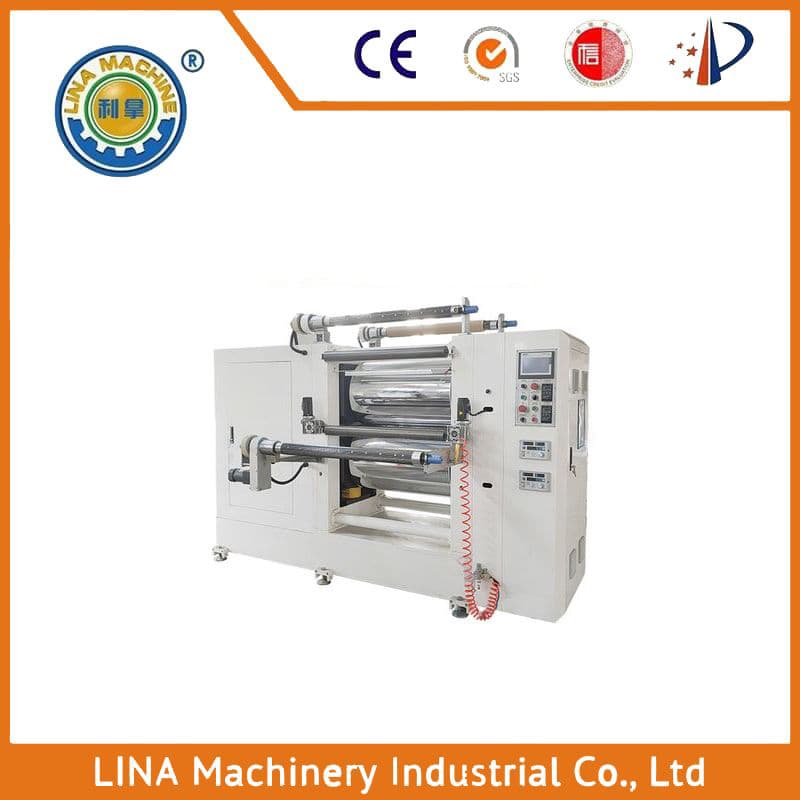
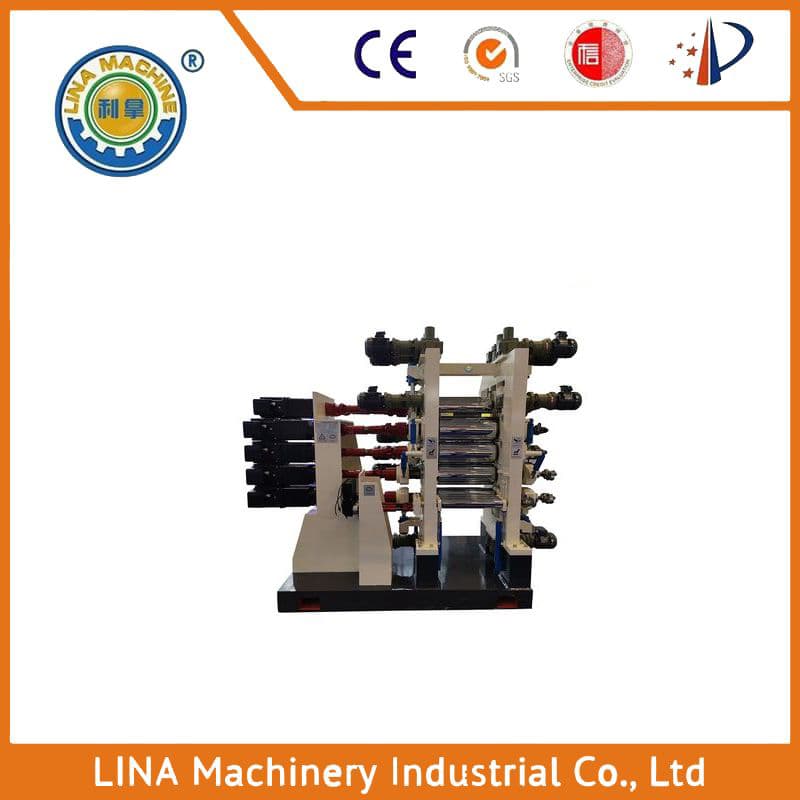
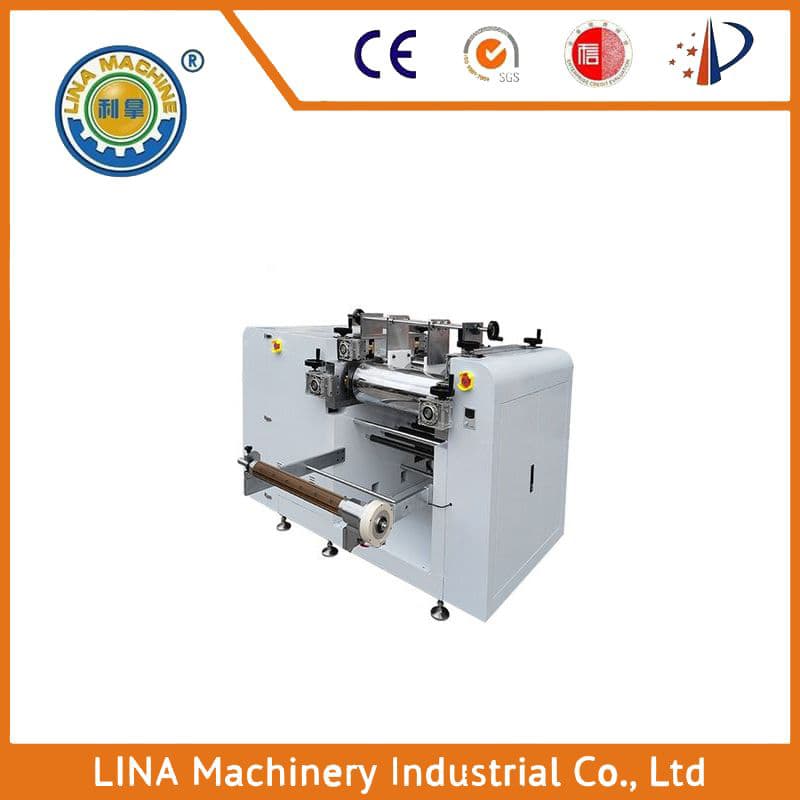
The Ultimate Guide to Vacuum Mixing Machines
In the realm of industrial machinery, vacuum mixing machines stand out as a revolutionary tool for processing and blending materials. These versatile machines are designed to achieve optimal mixing efficiency by utilizing the principles of vacuum technology. By creating a vacuum environment within the mixing chamber, these machines can draw in air, which is then expelled, leaving behind only the desired substances. This process not only enhances the mixing quality but also minimizes the risk of contamination and maintains the integrity of the ingredients.
One of the key benefits of vacuum mixing machines is their ability to handle a wide range of materials, from powders and liquids to solids and semi-solids. This versatility makes them ideal for applications in industries such as pharmaceuticals, food processing, and cosmetics. Additionally, the consistent and controlled mixing achieved through vacuum technology ensures that products meet high standards of quality and consistency.
The design of vacuum mixing machines is optimized for efficiency and productivity. They typically feature advanced motors that can operate at high speeds without compromising the mixing quality. The mixing chamber is often made of durable materials like stainless steel or ceramic, ensuring long-lasting performance and minimal maintenance. Moreover, many models come with features such as adjustable speed control, temperature regulation, and automated feeding systems, making them highly adaptable to different production needs.
When it comes to safety, vacuum mixing machines are designed to comply with strict industry regulations and guidelines. They are equipped with safety features such as overload protection, automatic shut-off mechanisms, and emergency shutdown switches. These measures help prevent accidents and ensure the safety of both the operator and the environment.
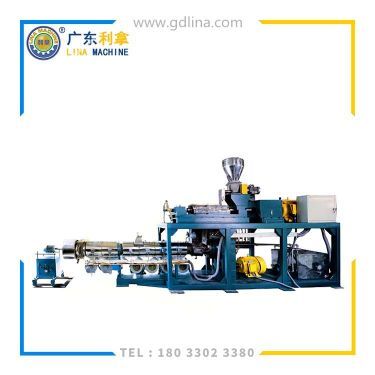
In conclusion, vacuum mixing machines represent a significant advancement in the field of industrial processing. With their ability to handle a wide range of materials, efficient mixing capabilities, and advanced safety features, they have become an essential tool for businesses looking to improve their product quality and efficiency. As the demand for precision and consistency in manufacturing continues to grow, vacuum mixing machines will undoubtedly play a crucial role in shaping the future of industrial processes.