




The Art of Rubber Tire Extrusion: An Insight into the Role of Open-Stitching Machines
Open-stitching machines are an integral part of the rubber tire manufacturing process, and their role cannot be overstated. These machines are designed to mix, knead, and extrude rubber compounds into a uniform, consistent material that can then be molded into tires. In this article, we will explore the intricacies of open-stitching machines and how they contribute to the success of the tire-making process.
At its core, an open-stitching machine is a complex assembly of mechanical parts that work together to perform the task of mixing and extruding rubber compounds. The machine consists of a hopper, which holds the rubber compound, a screw extruder, which mixes the compound with air and other additives, and a die, which forms the final product into a desired shape.
The first step in the process is to feed the rubber compound into the hopper. This is typically done using a feeding mechanism that ensures a consistent flow of material. Once the compound is in the hopper, it is mixed with air and other additives using the screw extruder. This process helps to evenly distribute the ingredients throughout the compound, creating a uniform mixture.
Next, the mixture is extruded through the die, which creates the final product. The die is designed to form the tire into a specific shape, such as a flat or round. The extruder moves at a controlled rate, ensuring that the material exits the die at the right temperature and consistency.
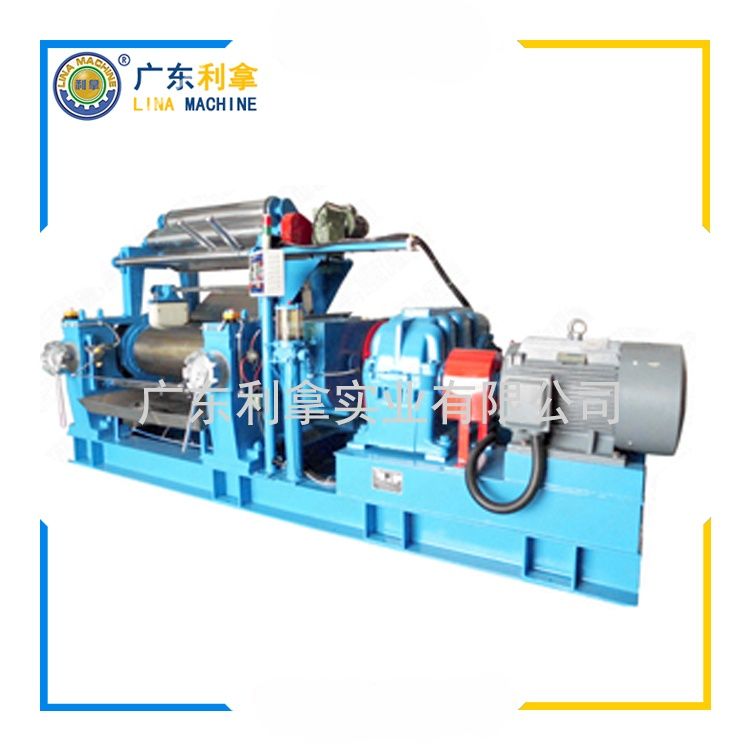
Once the tire has been formed, it is removed from the die and inspected for any defects or imperfections. If necessary, the tire can be reworked using a second die or by manually adjusting the parameters of the extruder.
In conclusion, open-stitching machines play a crucial role in the tire-making process. They help to mix and extrude rubber compounds into a uniform, consistent material that can then be molded into tires. By understanding the intricacies of these machines and their role in the tire-making process, manufacturers can optimize their operations and produce high-quality tires that meet the needs of consumers.
