

The Art of Particle Formation in Ceramics: A Comprehensive Guide to Ceramic Powder Grinding Machines
Ceramic powder grinding machines are essential tools in the production process of ceramic materials. These machines play a crucial role in converting raw ceramic powder into a uniform and stable form that can be used for various applications. In this article, we will explore the different types of ceramic powder grinding machines, their working principles, advantages, and disadvantages, as well as their applications in the ceramic industry.
1. Types of Ceramic Powder Grinding Machines
There are several types of ceramic powder grinding machines available in the market, each with its unique features and capabilities. Some of the most common types include:
- Ball mills: These machines use steel balls to grind the ceramic powder, resulting in a finer particle size distribution. They are widely used for grinding small amounts of ceramic powder.
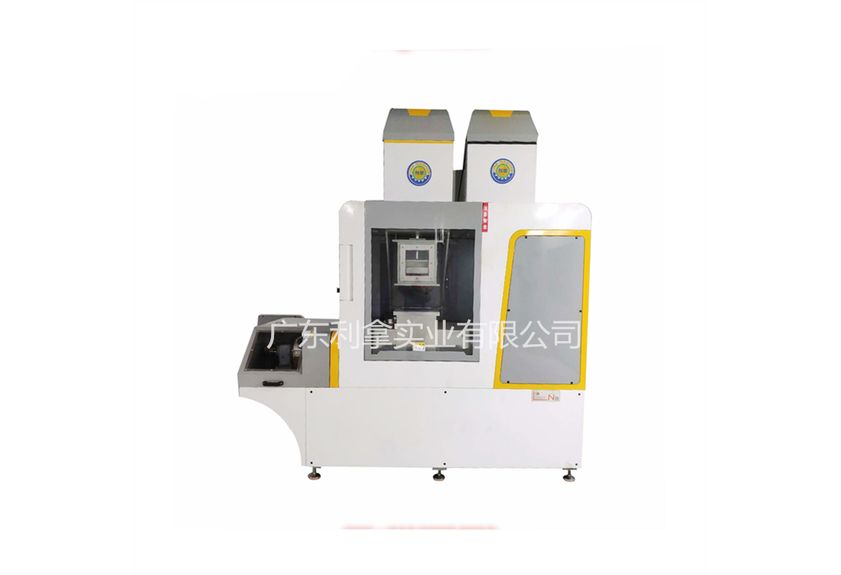
- Rod mills: These machines use rods to grind the ceramic powder, producing a more uniform particle size distribution. They are suitable for grinding larger amounts of ceramic powder.
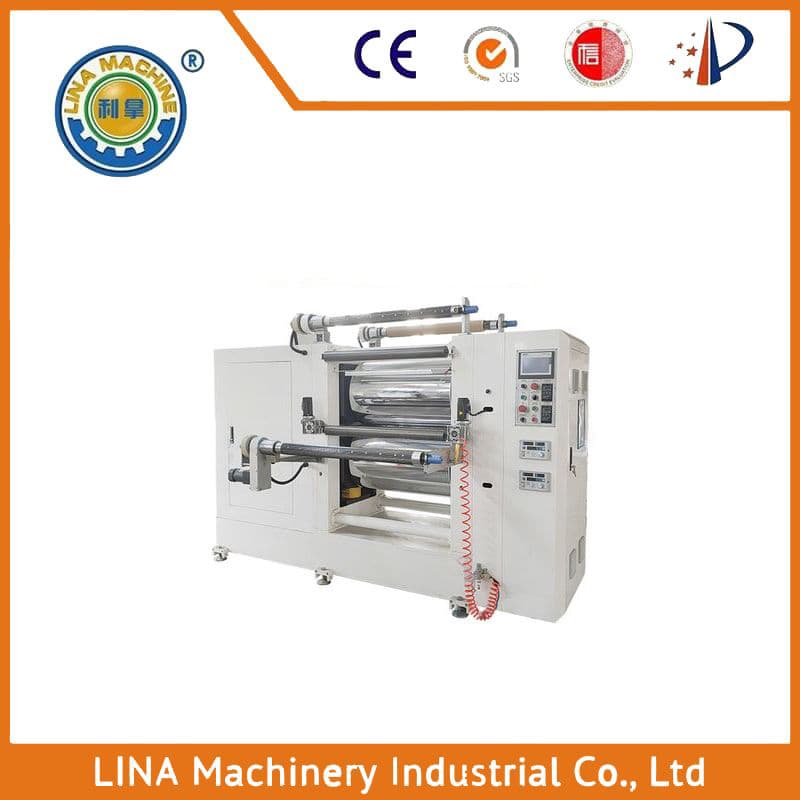
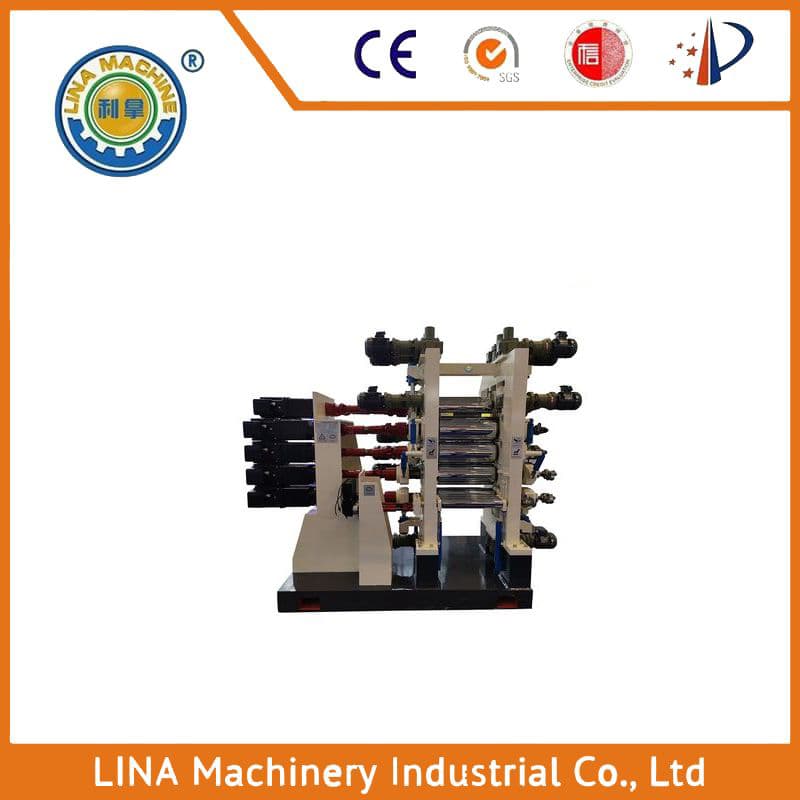
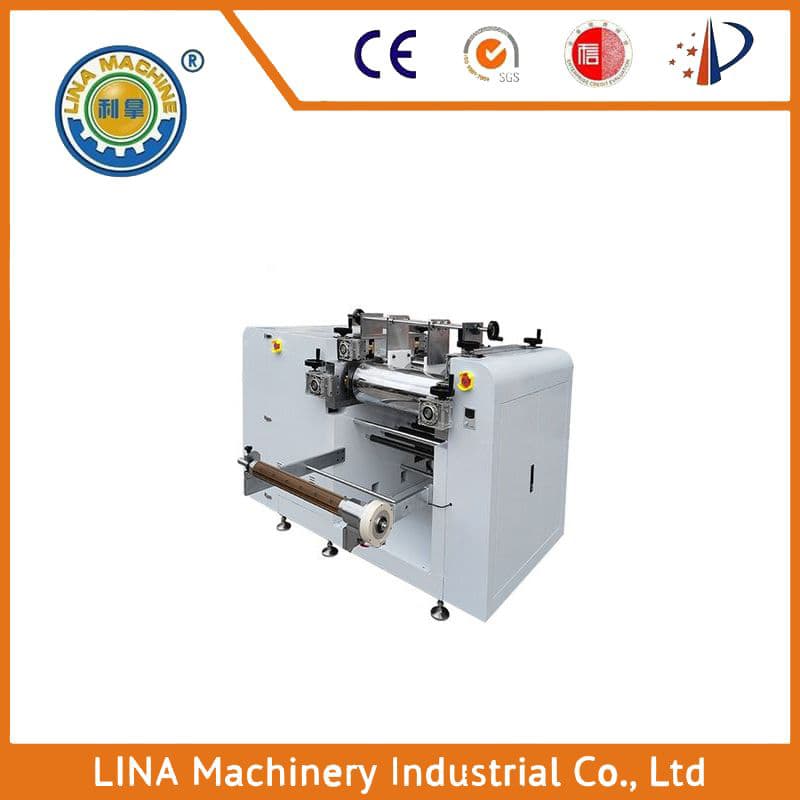
- Roller mills: These machines use rollers to grind the ceramic powder, resulting in a smooth surface finish. They are ideal for grinding high-quality ceramic powder.
- Ultrasonic mills: These machines use ultrasonic vibrations to break down the ceramic powder, resulting in a more even particle size distribution. They are suitable for grinding large amounts of ceramic powder.
2. Working Principle of Ceramic Powder Grinding Machines
The working principle of ceramic powder grinding machines is based on the principle of mechanical energy conversion. The machine consists of a rotating drum or cylinder, which is surrounded by a stationary cylinder or plate. The ceramic powder is fed into the machine through a feeder, and as the drum rotates, it crushes the powder between the two cylinders or plates, resulting in a uniformly ground product.
3. Advantages of Ceramic Powder Grinding Machines
Ceramic powder grinding machines have several advantages over traditional methods of grinding ceramic powder. Firstly, they produce a more uniform particle size distribution, which is important for the quality of the final product. Secondly, they are efficient and cost-effective, reducing the amount of time and labor required for grinding. Thirdly, they offer flexibility in terms of grinding capacity, allowing for the grinding of large amounts of ceramic powder without compromising on quality.
4. Disadvantages of Ceramic Powder Grinding Machines
While ceramic powder grinding machines have many advantages, there are also some drawbacks to consider. For example, they require regular maintenance and cleaning to ensure optimal performance, which can be time-consuming and costly. Additionally, some types of grinding machines may not be suitable for all types of ceramic powder, and the choice of machine may depend on specific requirements such as particle size distribution and grinding capacity.
5. Applications of Ceramic Powder Grinding Machines
Ceramic powder grinding machines are widely used in the ceramic industry for the production of ceramic tiles, bricks, molds, and other ceramic products. They are also commonly used in the manufacturing of electronic components, such as capacitors and resistors, where the uniformity of the ceramic powder is critical for the quality of the final product.
In conclusion, ceramic powder grinding machines play an essential role in the production process of ceramic materials. By understanding the different types of grinding machines available and their working principles, manufacturers can choose the appropriate machine for their specific needs, ensuring that their products meet the highest quality standards.