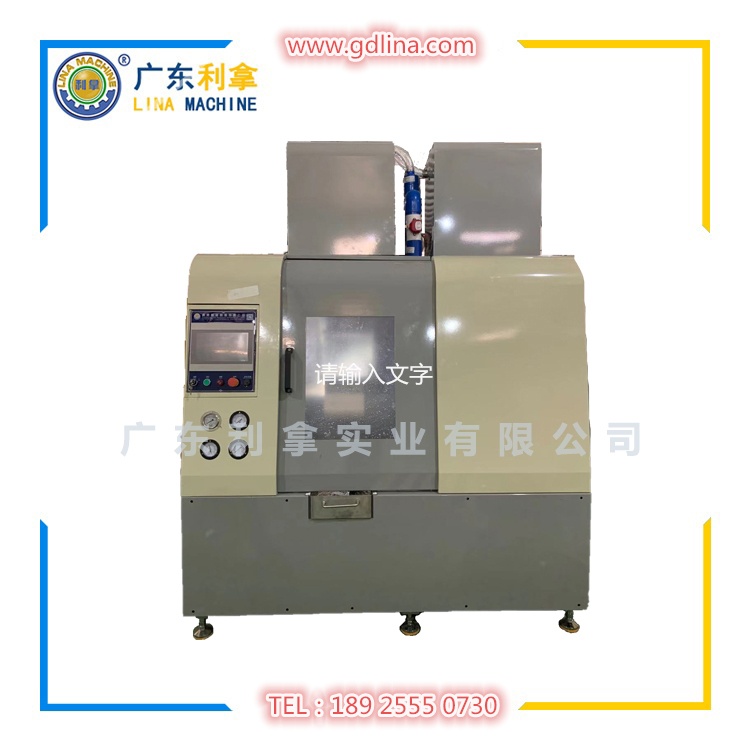



The Continuous Mixing Process Machine: An Overview
The continuous mixing process machine is a crucial tool in the manufacturing industry, particularly in the plastics and rubber sector. This machine is designed to continuously mix materials at high speeds, which results in a homogeneous mixture with reduced waste and increased efficiency. In this article, we will explore the basic principles of continuous mixing machines, their applications, and some of the key features that make them so effective.
Firstly, let's understand what a continuous mixing process machine is. It is a type of mechanical blender that operates continuously, meaning it doesn't stop for long periods. Instead, it continuously moves forward, allowing for a more efficient and thorough mixing process. The machine consists of a rotating drum or barrel that contains the material to be mixed, along with a series of blades or rollers that rotate around the drum. As the drum moves forward, the blades or rollers come into contact with the material, causing it to be mixed and blended together.
Applications of continuous mixing machines are numerous and varied. They are used in the production of various types of plastics, such as polyethylene and polypropylene, as well as rubber products like tires and hoses. In addition, they are also used in the food industry to produce processed meats, dairy products, and other ingredients. Furthermore, continuous mixing machines are essential in the pharmaceutical industry, where they are used to mix and blend various components to create new drugs and formulations.
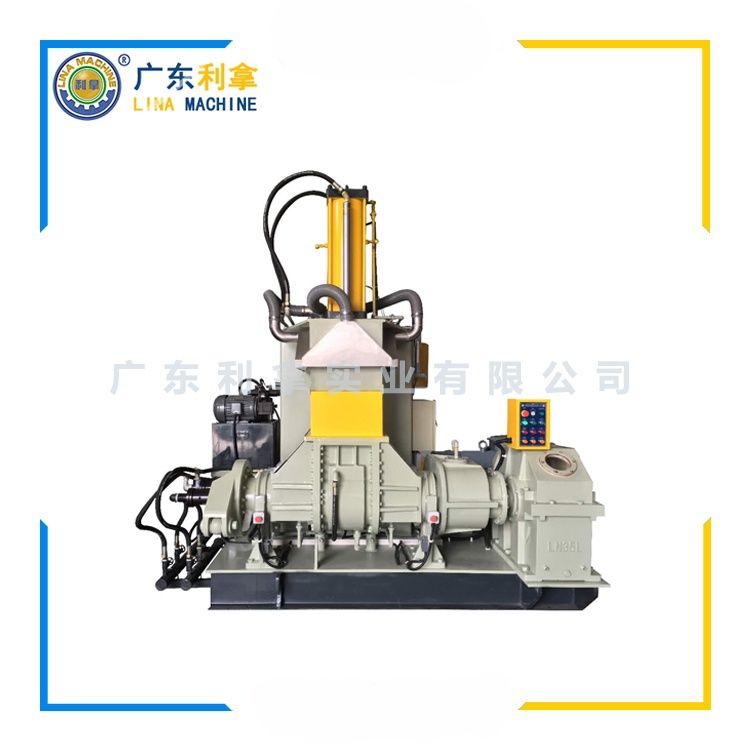
Key features of continuous mixing machines include their ability to handle large volumes of material, their high-speed operation, and their ability to achieve a uniform and consistent mix. These machines are often equipped with advanced technology, such as sensors and control systems, which allow for precise adjustments to the mixing parameters and ensure optimal results. Additionally, many modern continuous mixing machines are designed to be energy-efficient and environmentally friendly, making them an attractive option for companies looking to reduce their carbon footprint.
In conclusion, the continuous mixing process machine is a valuable tool in the manufacturing industry, particularly in the plastics and rubber sector. Its ability to continuously mix materials at high speeds and its wide range of applications make it an essential component in the production process. By understanding the basic principles of continuous mixing machines and their key features, companies can optimize their operations and achieve better results.