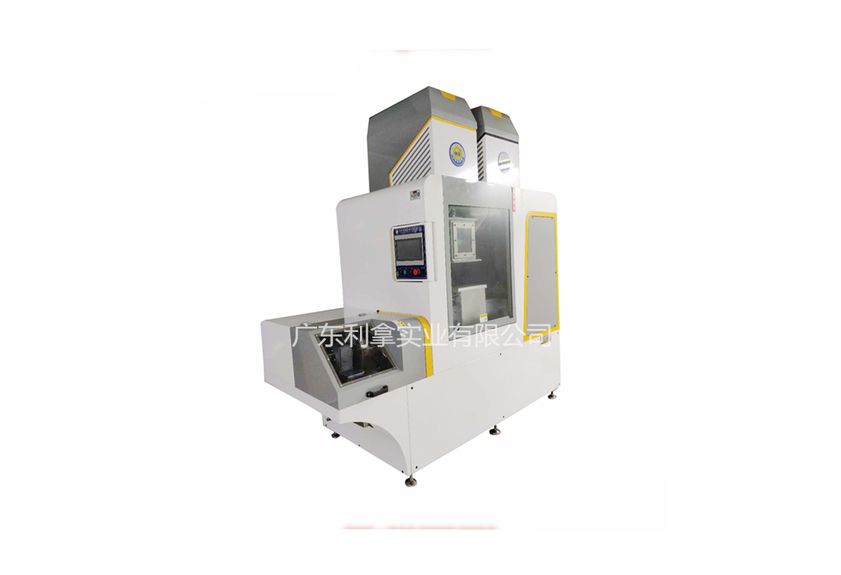



The Art of Clay Particle Formation: An Overview of Ceramic Powder Grinding Machines
Clay powder grinding machines are essential tools in the ceramic industry, enabling the creation of high-quality ceramic products. These machines use advanced technology to process raw clay materials into finely ground powders, which are then used in various applications such as pottery, porcelain, and refractory materials. In this article, we will explore the different types of ceramic powder grinding machines available in the market and their unique features.
The first type of ceramic powder grinding machine is the ball mill. This machine uses a rotating drum filled with grinding media to break down the raw clay material into smaller particles. Ball mills are commonly used in industries that require large quantities of finely ground powders, such as the ceramics industry. However, they can be noisy and require regular maintenance to ensure optimal performance.
Another popular type of ceramic powder grinding machine is the rod mill. This machine uses a rotating rod to crush the raw clay material into small particles. Rod mills are more efficient than ball mills and produce less noise, making them ideal for applications where noise levels must be minimized. However, they require more space and are more expensive than ball mills.
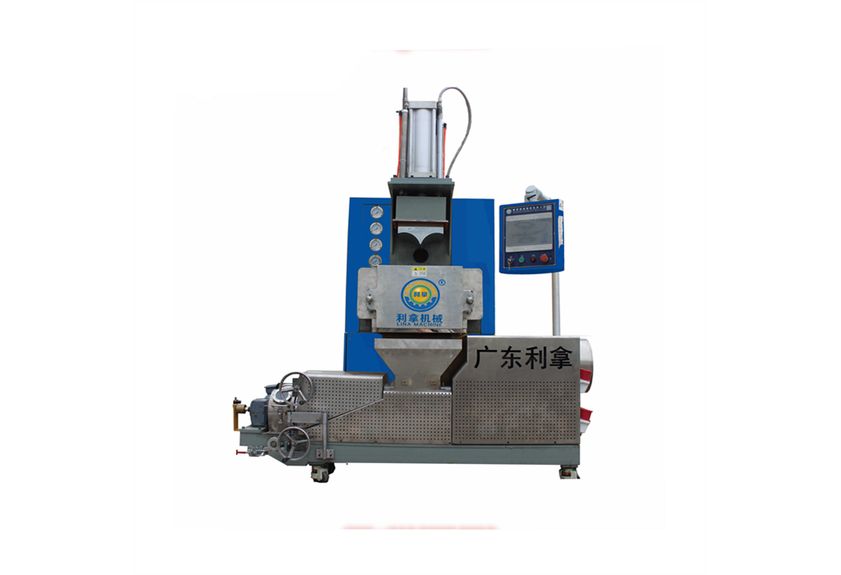
In addition to these two types of ceramic powder grinding machines, there are also other specialized machines available in the market. For example, the ultrafine grinder is designed to produce extremely fine powders with a particle size ranging from 0.1 to 0.01 microns. This machine uses a high-speed rotor to break down the raw clay material into very small particles, which are then collected and stored in a container.
The final type of ceramic powder grinding machine is the wet mill. This machine uses water to assist in the grinding process, producing a higher yield of finely ground powders. However, it requires careful control of the moisture content to avoid excessive moisture absorption, which can affect the quality of the final product.
When selecting a ceramic powder grinding machine, it is important to consider factors such as capacity, efficiency, noise level, and cost. Each machine has its own unique advantages and disadvantages, so it is essential to choose the one that best suits your specific needs and budget. By understanding the different types of ceramic powder grinding machines available in the market, you can make an informed decision and achieve optimal results in your ceramic production process.