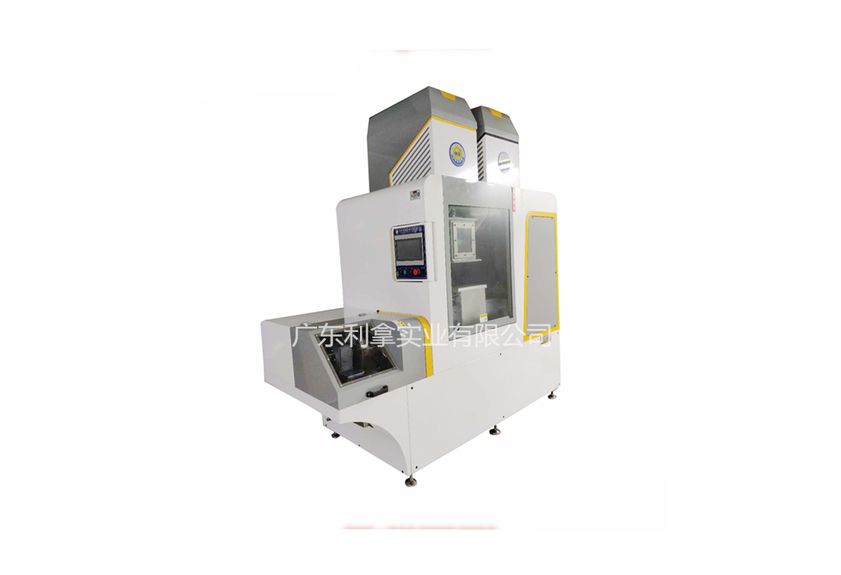



The Art of Particle Formation in Ceramic Powder Making Machines
Ceramic powder making machines are crucial tools in the production process of ceramic materials. These machines play a significant role in the formation of fine, uniformly sized particles that are essential for various applications such as electronics, automotive, and construction industries. In this article, we will explore the principles behind particle formation in ceramic powder making machines and how they contribute to the overall quality and performance of the final product.
The first step in particle formation is the grinding process. This involves crushing raw materials into smaller pieces using high-speed rotating grinding wheels or blades. The grinding process is crucial as it helps to break down the larger particles into smaller ones, which are easier to grind further. This process also removes impurities from the raw materials, resulting in a more refined product.
Once the raw materials have been ground to the desired size, they are then passed through a sieving process. This involves passing the ground material through a series of screens with different mesh sizes to separate the particles based on their size. The smaller particles are collected at the top of the screen, while the larger particles remain at the bottom. This separation process ensures that only the desired particles are produced, which are then collected and stored for further processing.
The next step in particle formation is the drying process. This involves exposing the ground material to heat and airflow to remove any moisture content. Moisture can cause the particles to clump together, leading to a decrease in particle size and an increase in porosity. Drying is essential as it helps to prevent this issue and ensures that the final product has a consistent size and shape.
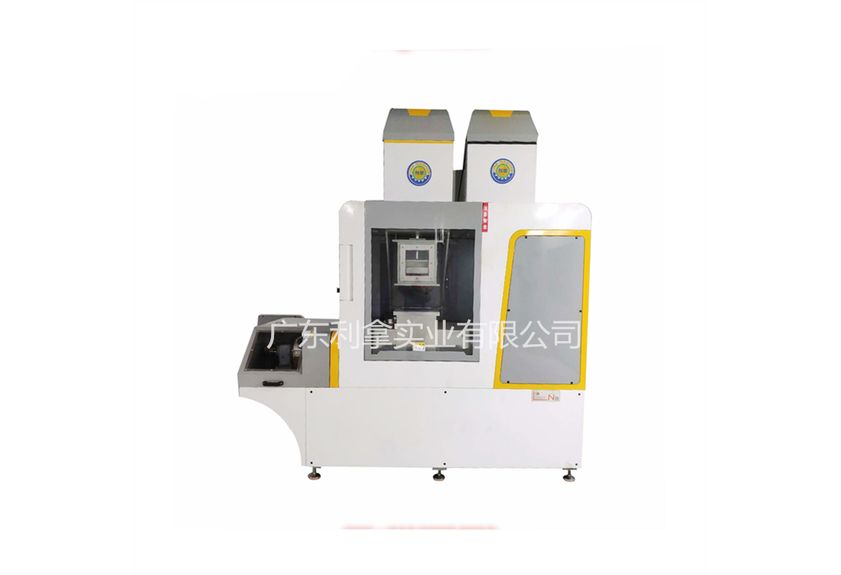
Finally, the dried material is then compacted into pellets or other desired shapes using a compression machine. This process involves applying pressure to the material to compress it into a uniform shape. The compression process is crucial as it helps to improve the strength and density of the final product.
In conclusion, particle formation in ceramic powder making machines is a complex process that involves several steps. From grinding to drying and compression, these machines play a vital role in producing high-quality ceramic materials that meet the needs of various industries. By understanding the principles behind particle formation, manufacturers can optimize their processes and produce products that are both efficient and effective.