




The Art of Particle Size Reduction in Ceramic Powder Making
Ceramic powder is a crucial component in the production of various ceramic products, such as porcelain, glass, and electronics. To ensure the quality and consistency of the final product, it is essential to control the particle size distribution of the raw materials. This is where the role of the ceramic powder making machine comes into play.
The ceramic powder making machine is a specialized equipment used for the granulation of ceramic powder. It consists of several key components, including a hopper, a rotor, and a cyclone. The hopper is responsible for feeding the raw material into the machine, while the rotor is responsible for grinding the material to a fine powder. The cyclone is used to collect the finely ground powder and separate it from any larger particles or impurities.
The process of granulation involves several steps, including crushing, screening, and drying. The crushed material is then passed through a screen to remove any large particles and create a uniform size distribution. Finally, the dried powder is cooled and stored for future use.
The ceramic powder making machine plays a critical role in the production process by ensuring that the final product meets the required specifications. By controlling the particle size distribution, manufacturers can produce ceramic products with improved strength, durability, and aesthetic appeal.
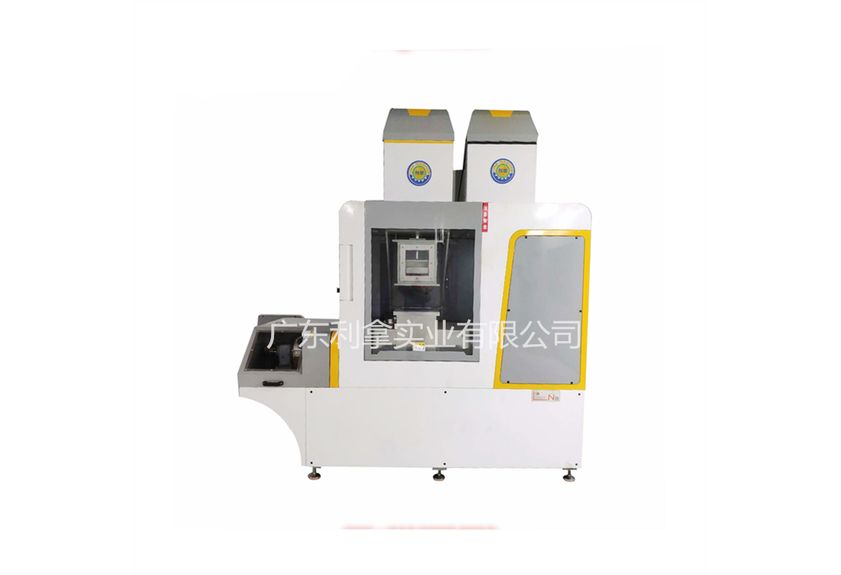
1. Ceramic Powder Making Machine
2. Granulation Process
3. Particle Size Control
4. Quality Control
5. Manufacturing Process
This article provides an in-depth overview of the ceramic powder making machine, its role in the production process, and the importance of particle size control in producing high-quality ceramic products. By understanding the granulation process and the factors that affect particle size distribution, manufacturers can optimize their production methods and achieve consistent results. The article also highlights the significance of quality control in ensuring that the final product meets industry standards and customer expectations.