




Advanced Technology in Rubber and Plastic Compounding: An Overview of Olefin-Based Polymer Compounding Lines
The field of polymer compounding is a cornerstone of the modern plastics industry, with the ability to create high-quality products from raw materials. The advent of advanced technology has led to the development of olefin-based polymer compounding lines, which are designed to produce compounds that are both cost-effective and environmentally friendly. These lines use state-of-the-art equipment and processes to ensure that the final product meets all necessary standards and specifications.
One of the key features of these lines is their ability to handle a wide range of raw materials, including natural rubber, synthetic rubber, and thermoplastics. This flexibility allows for the production of a variety of products, such as tires, hoses, and automotive parts. Additionally, the lines are equipped with advanced monitoring systems that allow operators to closely control the process and ensure that the final product meets quality standards.
Another advantage of these lines is their ability to produce compounds at high speeds and with low energy consumption. This makes them ideal for large-scale production, where efficiency is critical. Furthermore, the lines are designed to minimize waste and maximize productivity, resulting in significant cost savings for businesses.
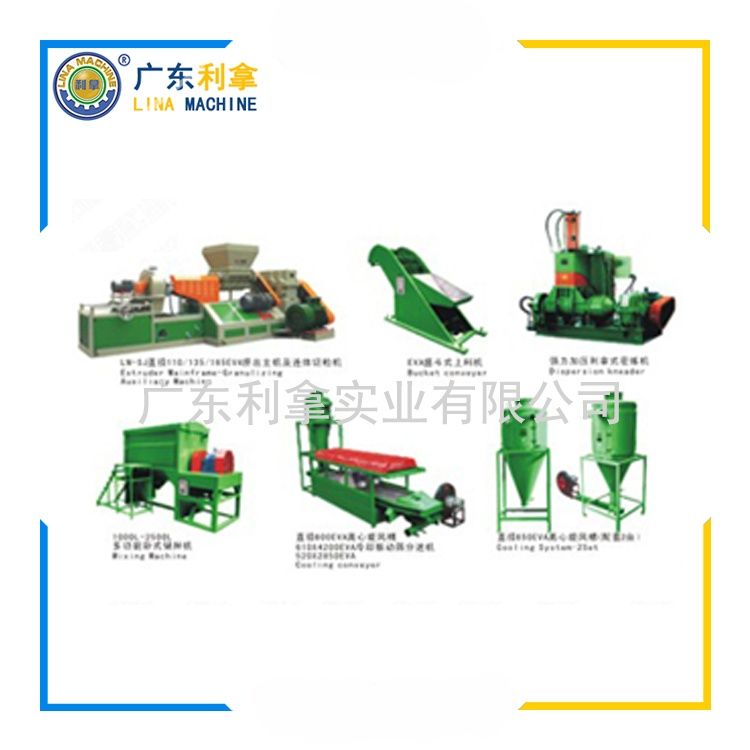
In conclusion, the advancements in polymer compounding technology have led to the development of olefin-based polymer compounding lines that offer numerous benefits to the plastics industry. From their ability to handle a wide range of raw materials to their high speeds and low energy consumption, these lines are an essential tool for any business looking to produce high-quality products at a competitive price.