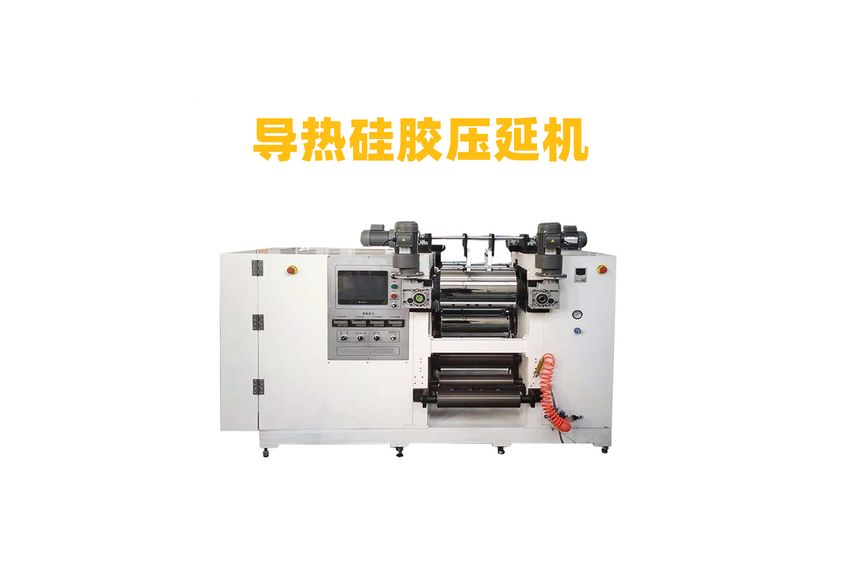



PCM相变化导热硅胶压延机:创新技术引领未来
The development of PCM (Phase Change Material) thermal management technology has been a significant milestone in the field of electronics and energy storage. This innovative material, which undergoes a phase change from solid to liquid at specific temperatures, offers superior thermal conductivity and stability compared to traditional materials. The advent of PCM thermal management systems has revolutionized the way we design and manufacture electronic devices, enabling them to operate more efficiently and effectively.
One of the key components of PCM thermal management is the PCM thermal interface material (TIM), which serves as the interface between the electronic device and its heat sink. The TIM plays a crucial role in transferring heat from the device to the surrounding environment, ensuring that the device remains cool even under high-power conditions. The PCM TIM is typically made up of a polymer matrix with embedded PCM particles, which absorb and release heat as needed.
In recent years, there has been a growing demand for PCM thermal management solutions in various industries, including automotive, aerospace, and data center computing. These applications require high levels of thermal efficiency and reliability, making PCM TIMs an ideal solution. For example, in the automotive industry, PCM TIMs are used to improve the cooling performance of engine compartments and other critical components. In the aerospace industry, they are employed to reduce the weight and size of aircraft while maintaining optimal thermal performance. And in data center computing, PCM TIMs are used to enhance the cooling efficiency of servers and other high-performance computing devices.
The development of PCM thermal management technology has also led to the emergence of new manufacturing processes. One such process is the use of PCM thermal interface materials in the production of flexible circuit boards. These boards can be designed to conform to the shape of different devices, providing better thermal contact and reducing the risk of overheating. Another emerging application is the use of PCM TIMs in the construction of solar panels. By incorporating PCM into the panel's structure, manufacturers can improve its thermal performance and reduce the need for additional cooling systems.
In conclusion, the advancements in PCM thermal management technology have had a profound impact on the electronics and energy storage industries. With the continued development of this technology, we can expect to see even more innovative solutions that will revolutionize the way we design and manufacture electronic devices. As we move towards a future where energy efficiency and sustainability are paramount, PCM thermal management systems will continue to play a vital role in shaping our technological landscape.