




The Role of Mass Production in the Development of Compact Mixing Machines
In the realm of industrial machinery, compact mixing machines have become a staple in many manufacturing processes. These versatile pieces of equipment are designed to efficiently and quickly mix materials, often at high temperatures or pressures, to achieve desired physical properties. One such machine that has gained significant traction is the mass production-oriented compact mixing machine. This type of machine is not only crucial for the efficient processing of raw materials but also plays a vital role in the overall efficiency and productivity of modern industries.
The design of mass production compact mixing machines is characterized by their ability to handle a wide range of materials with varying physical properties. These machines are engineered to be highly adaptable, allowing them to operate seamlessly in a variety of environments, from harsh industrial settings to delicate laboratory conditions. The key features that set these machines apart include their compact size, which allows for easy integration into existing production lines, as well as their ability to handle a broad range of inputs, including dry and wet ingredients, powders, and liquids.
One of the most significant advantages of mass production compact mixing machines is their ability to process large quantities of material in a short amount of time. This is particularly important in industries where speed is critical, such as food processing, pharmaceuticals, and chemical manufacturing. By utilizing advanced technology and sophisticated algorithms, these machines can process materials at rates that would otherwise be impractical for manual labor. This not only reduces operational costs but also enhances product quality and consistency, ensuring that businesses can meet their customers' demands more effectively.
Another critical aspect of mass production compact mixing machines is their ability to maintain consistent temperature and pressure throughout the entire processing cycle. This is achieved through the use of advanced control systems that monitor and adjust parameters accordingly. By doing so, these machines ensure that the final product meets the required specifications, minimizing the risk of defects or contamination.
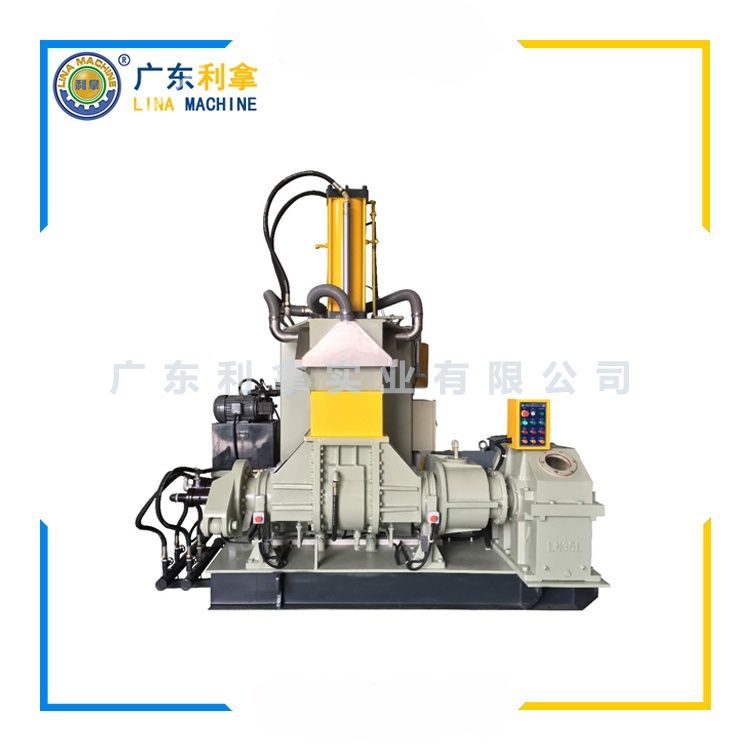
In conclusion, the mass production-oriented compact mixing machine represents a significant advancement in the field of industrial machinery. With its ability to process large quantities of material quickly and consistently, these machines have become an essential tool for many modern industries. As technology continues to evolve, we can expect to see even more innovative designs and applications of these machines, further enhancing their effectiveness and efficiency in the marketplace.