



Understanding Rubber Extrusion Filters: A Comprehensive Guide
In the realm of rubber processing, the use of rubber extruders is a fundamental step in the production process. These machines are designed to convert raw materials into finished products with high efficiency and consistency. However, one critical component that plays a crucial role in the overall performance of an extruder is the rubber extruder filter. This article aims to provide readers with a comprehensive understanding of rubber extruder filters, their importance, and how they work.
Firstly, let's define what a rubber extruder filter is. It is a mechanical device used in the rubber industry to remove impurities from the molten rubber before it enters the extruder. The purpose of this filter is to ensure that the final product meets quality standards and has a consistent appearance.
Now, let's delve deeper into the workings of a rubber extruder filter. These filters are typically made up of several components, including a perforated plate, a filter screen, and a housing. The perforated plate serves as the primary filter element, allowing air and other gases to pass through while trapping any foreign particles or debris. The filter screen is positioned above the perforated plate and is responsible for further filtering out larger particles. Finally, the housing houses all the components and provides a protective barrier for the filter.
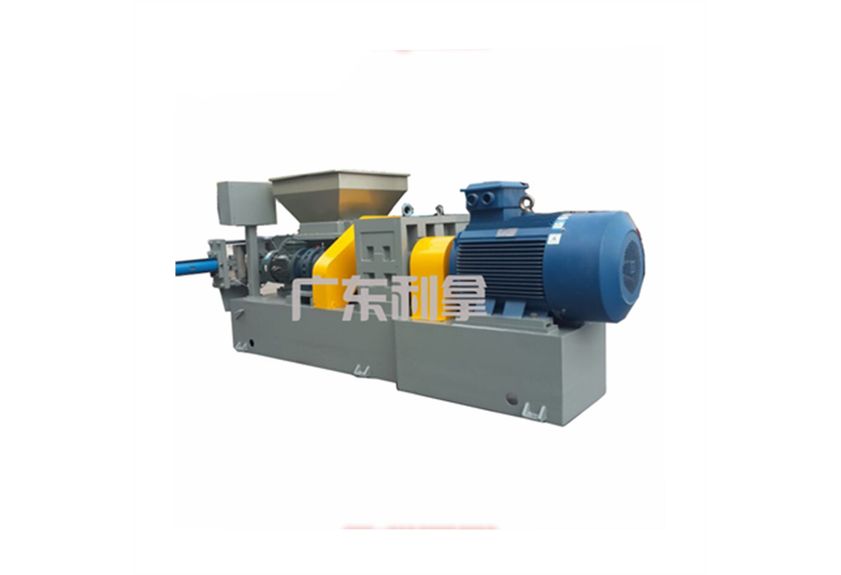
The effectiveness of a rubber extruder filter depends on several factors, including the size and type of filter screen, the pressure and temperature of the molten rubber, and the design of the filter housing. For example, if the filter screen is too small or if the pressure is too high, it may not be able to effectively remove all impurities from the molten rubber. Conversely, if the filter screen is too large or if the pressure is too low, it may not be able to filter out enough impurities.
In addition to its role in removing impurities, a rubber extruder filter also plays a significant role in maintaining the integrity of the extruder itself. By preventing foreign particles from entering the machine, it helps to prevent damage to the internal components and ensures that the machine operates efficiently and reliably.
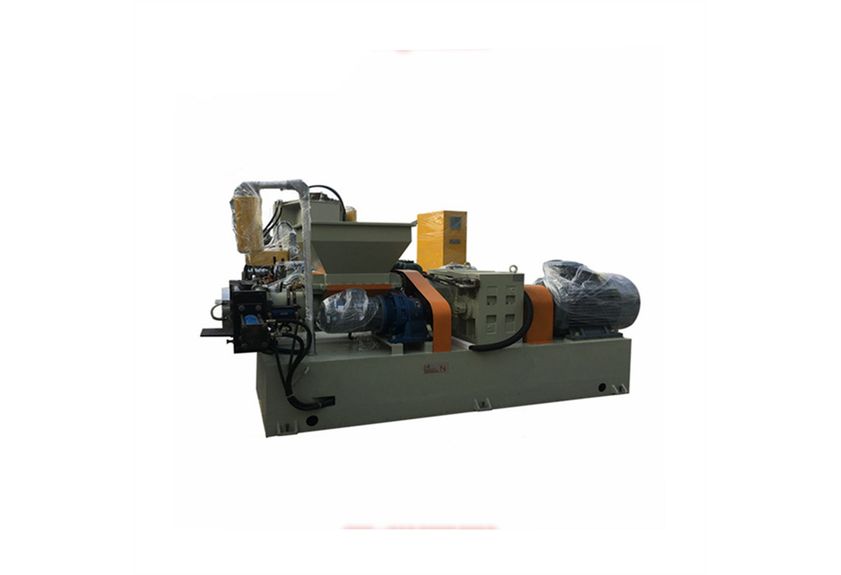
In conclusion, rubber extruder filters are an essential component of the rubber processing industry. They play a crucial role in ensuring that the final product meets quality standards and has a consistent appearance. By understanding the workings of a rubber extruder filter and the factors that affect its effectiveness, manufacturers can optimize their processes and improve the overall quality of their products.