




Advanced Technology in the Manufacturing of Ceramic Film Rollers
Ceramic film rollers are an essential component in the manufacturing process of various ceramic products, such as filters, membranes, and other high-performance materials. These rollers play a crucial role in shaping the final product's surface quality and performance. In this article, we will explore the technology behind the development of ceramic film rollers, their applications, and the challenges they face in the modern manufacturing industry.
The first step in the development of ceramic film rollers is the selection of raw materials. The most common materials used for these rollers are silicon carbide, aluminum oxide, and titanium dioxide. These materials have excellent thermal and mechanical properties, making them ideal for use in high-temperature and corrosive environments.
Once the raw materials have been selected, the next step is to produce the rollers through a process called "pressing." This process involves compacting the powdered material into a thin layer on a substrate using a die. The pressure applied during this process determines the thickness and density of the resulting roller.
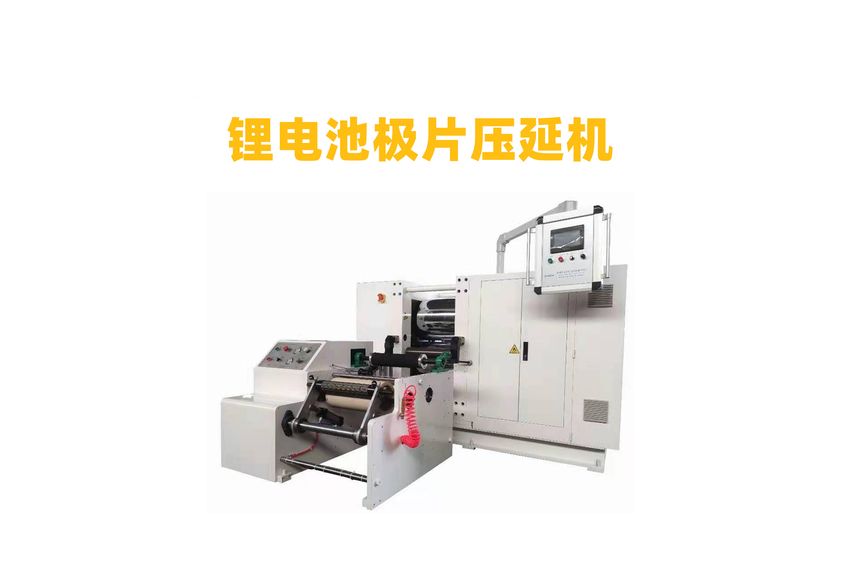
After the rollers have been produced, they are then subjected to heat treatment to improve their strength and hardness. This step is critical in ensuring that the rollers can withstand the high temperatures and pressures required for their application.
In addition to their physical properties, ceramic film rollers also need to be chemically stable and resistant to wear and tear. To achieve this, manufacturers often coat the rollers with a protective layer of nickel or other metals. This coating not only enhances the roller's durability but also improves its ability to resist corrosion and other environmental factors.

Applications of ceramic film rollers are numerous and varied. They are commonly used in the production of filters, membranes, and other high-performance materials. In the filter industry, ceramic film rollers are used to create pores in a filter substrate, allowing air or liquid to pass through while blocking larger particles. In the membrane industry, they are used to create pores in a semi-permeable membrane, allowing gases to pass through while preventing water molecules from passing.
Despite their many benefits, ceramic film rollers still face several challenges in the modern manufacturing industry. One major issue is the cost of producing these rollers, which can be relatively high due to the complexity of the manufacturing process and the need for specialized equipment. Additionally, there is a limited supply of high-quality raw materials, which can limit the availability of these rollers in certain industries.
In conclusion, ceramic film rollers are a vital component in the manufacturing process of various ceramic products. Their advanced technology and unique properties make them essential for achieving high-quality results in a variety of applications. While there are challenges associated with their production, the continued development of new technologies and innovations will continue to drive their growth and adoption in the future.