



The Role of Talc Powder Granulators in the Manufacturing Industry
In the manufacturing industry, the process of granulating is a crucial step that transforms raw materials into finished products. One of the most commonly used granulators is the talc powder granulator. This machine plays a vital role in the production process by efficiently converting talc powder into granulated form.
The talc powder granulator is a specialized equipment designed to handle talc powder. It has several key features that make it an ideal choice for the granulation process. Firstly, the machine is equipped with advanced technology that allows it to produce high-quality granulated products. Secondly, it is highly efficient, reducing downtime and increasing productivity. Thirdly, it is easy to maintain and operate, making it cost-effective in the long run.
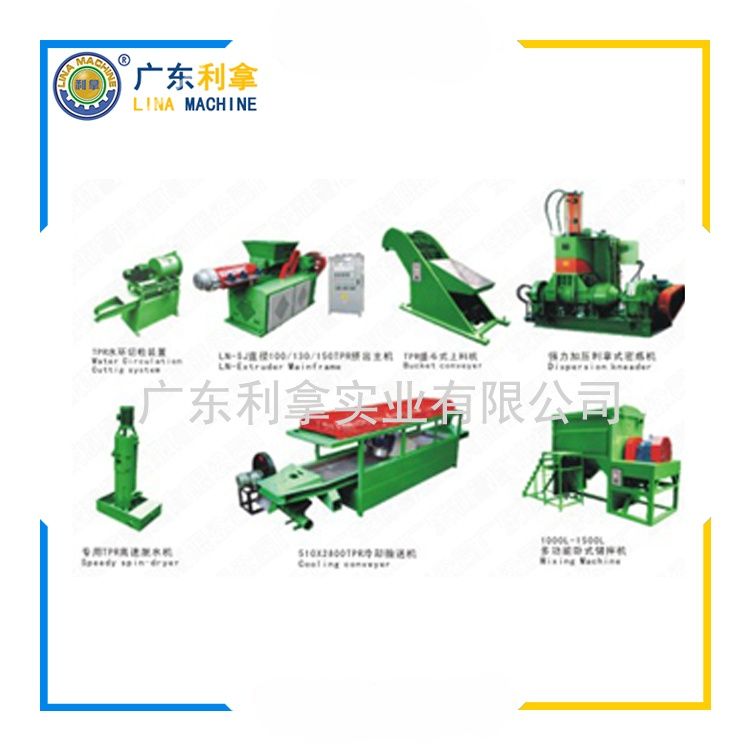
The talc powder granulator works by using a combination of mechanical and chemical processes to convert the talc powder into granulated form. The machine consists of a hopper, a granulator, and a conveyor system. The talc powder is fed into the hopper, where it is mixed with a binder agent. The mixture is then granulated using a rotating drum or roller, which applies pressure and heat to the material. Finally, the granulated product is conveyed to the storage area for further processing or packaging.
The benefits of using a talc powder granulator are numerous. It reduces labor costs by eliminating the need for manual labor during the granulation process. It also improves product quality by ensuring uniformity and consistency in the granulated product. Additionally, it enhances safety by minimizing the risk of dust explosions and other hazards associated with manual handling of talc powder.
In conclusion, the talc powder granulator is an essential piece of equipment in the manufacturing industry. Its ability to efficiently convert talc powder into granulated form makes it a valuable tool for producing high-quality products. By investing in this equipment, manufacturers can increase productivity, reduce costs, and improve overall efficiency.