



The Art of Running Shoes: An Introduction to the Open-Roller Process
Running shoes are an essential part of any athlete's gear. They provide support, cushioning, and flexibility to help athletes perform at their best. One crucial component in the manufacturing process of running shoes is the use of shoe materials. Among these materials, open-roller processing is a method used to manufacture various types of shoe materials, including running shoes. In this article, we will explore the basic principles of open-roller processing and its role in producing high-quality running shoes.
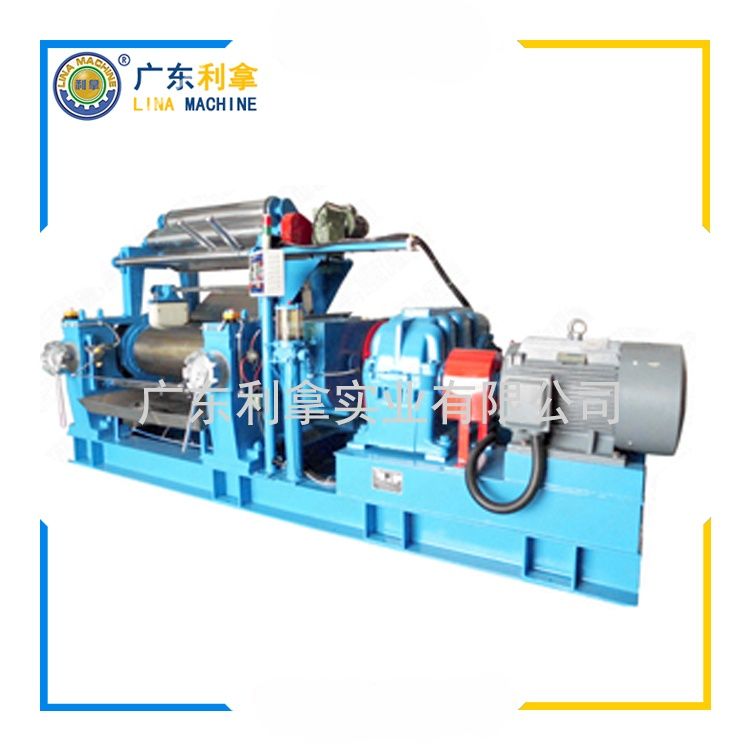
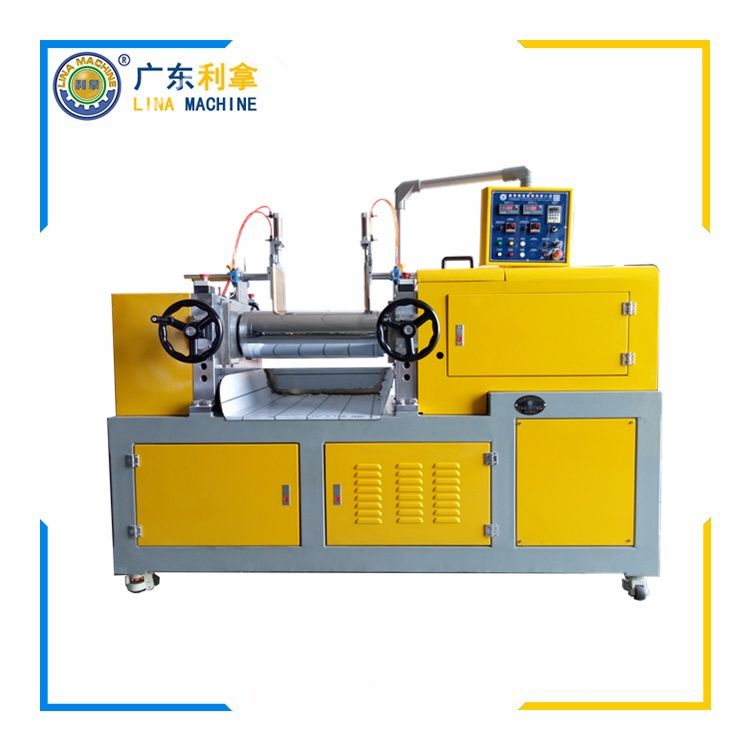
Open-roller processing is a technique that involves rolling sheets of material together to form a continuous length of material. This process is commonly used in the manufacturing of athletic shoes, such as running shoes, basketball shoes, and football shoes. The open-roller machine consists of two rollers that move in opposite directions, causing the material to be stretched and formed into a desired shape.
The benefits of using open-roller processing for shoe materials include improved production efficiency, reduced waste, and enhanced product quality. By using this technique, manufacturers can produce running shoes with greater consistency and uniformity, which is essential for optimal performance. Additionally, open-roller processing allows for precise control over the thickness and density of the material, allowing manufacturers to tailor the final product to meet specific requirements.
In addition to its technical advantages, open-roller processing also has a significant impact on the environmental sustainability of the shoe industry. By reducing the amount of waste produced during the manufacturing process, manufacturers can contribute to a more sustainable future. Furthermore, by using eco-friendly materials and energy-efficient technologies, manufacturers can minimize their carbon footprint and reduce their impact on the environment.
In conclusion, open-roller processing is a critical component in the manufacturing process of running shoes. Its ability to produce high-quality materials with precision and efficiency makes it an essential tool for the shoe industry. As the demand for athletic shoes continues to grow, the importance of open-roller processing in meeting the needs of athletes and consumers cannot be overstated. By adopting sustainable practices and utilizing innovative technologies, manufacturers can continue to improve the quality of their products while minimizing their impact on the environment.